Jodhpur, often called the Blue City of India, is one of Rajasthan’s most captivating destinations—a city where every corner tells a story steeped in history, culture, and vibrant hues. From its majestic forts to its azure-painted lanes, Jodhpur embodies a timeless charm that continues to attract travelers from across the globe. If you’re planning to explore this royal gem, booking a trusted jodhpur taxi service can help you uncover the city’s hidden treasures with comfort and authenticity.
The Origin of the Blue City: A Historical Perspective
The moniker “Blue City” finds its roots in Jodhpur’s architectural heritage and social structure. Historically, the blue-painted houses belonged to the Brahmins, the priestly caste of India. They painted their homes in shades of blue to signify purity, religious devotion, and social distinction. Over time, this practice spread beyond caste boundaries, turning entire neighborhoods into mesmerizing blue landscapes. The blue lime wash also served a practical purpose—it kept homes cool in Rajasthan’s intense heat and repelled termites, making it both aesthetic and functional.
The Architectural Wonder of the Blue City
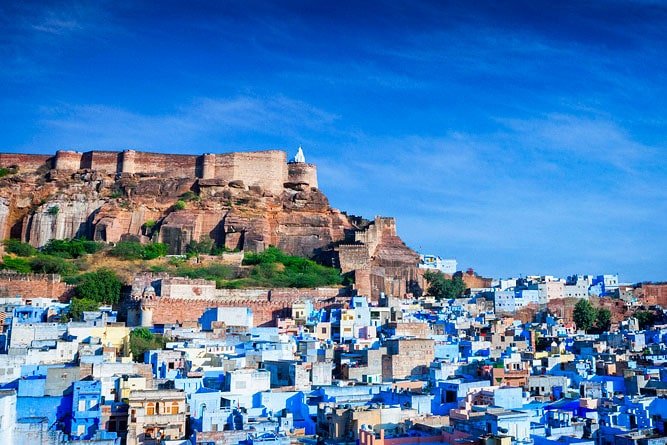
As you wander through the old quarters near the Mehrangarh Fort, the sweeping view of the blue houses against the golden desert backdrop is unforgettable. The cityscape appears like a living painting, with narrow alleyways winding through clusters of cobalt and turquoise walls. This unique urban design creates a harmonious blend of art and architecture, where every hue has meaning. The forts and palaces stand as proud witnesses to Jodhpur’s royal legacy, and the blue-painted homes act as silent storytellers of its cultural continuity.
The Role of Mehrangarh Fort in Shaping Jodhpur’s Identity
Mehrangarh Fort, towering 400 feet above the city, is not just an architectural masterpiece—it is the soul of Jodhpur. Built by Rao Jodha in 1459, the fort commands panoramic views of the blue-hued old town. From its ramparts, one can see how the city got its nickname. The contrast between the rugged stone fort and the sea of blue houses below is breathtaking. Inside, the fort’s museum preserves centuries-old artifacts, paintings, and royal memorabilia that narrate Jodhpur’s rich history.
The Spiritual Connection Behind the Color Blue
Blue has always held a sacred connotation in Indian culture. It represents Lord Shiva, the deity most revered by many in Rajasthan. The blue tone symbolizes tranquility, depth, and divinity, aligning with Jodhpur’s spiritual atmosphere. The city’s temples, ancient shrines, and traditional homes together weave a narrative of devotion and peace, further justifying why Jodhpur is often seen as a reflection of India’s spiritual essence.
Exploring the Blue City Like a Local
To truly experience Jodhpur, you must go beyond the tourist spots and immerse yourself in the rhythm of local life. Visit the bustling Sardar Market near the Clock Tower, where the scent of spices mingles with the sound of shopkeepers calling out their wares. Take a walk through Navchokiya, the oldest and bluest part of the city, where every turn offers a perfect photo opportunity. And don’t miss the chance to try authentic Rajasthani dishes like dal baati churma and mirchi bada at local eateries. For a hassle-free and comfortable exploration, you can book a Jodhpur City Tour Package and enjoy a curated itinerary that covers the best of the city’s heritage and beauty.
Cultural Heritage and Craftsmanship
Jodhpur’s charm extends beyond its architecture. The city is a living museum of craftsmanship—home to skilled artisans who create intricate textiles, leather goods, metalwork, and traditional Rajasthani jewelry. The local bazaars are filled with handcrafted souvenirs, each piece reflecting centuries of artistry. The traditional blue pottery, though more prominent in Jaipur, also finds influence here, blending with Jodhpur’s love for shades of blue. These crafts not only sustain local livelihoods but also keep Jodhpur’s artistic heritage alive for future generations.
The Best Time to Visit Jodhpur
The best time to explore the Blue City is during the winter months, from October to March, when the weather is pleasant for sightseeing. During this time, festivals like Marwar Festival and Rajasthan International Folk Festival bring the city to life with music, dance, and cultural performances. It’s the perfect season to explore historical sites, attend local fairs, and experience the city’s regal hospitality.
Modern Jodhpur: Where Tradition Meets Contemporary Comfort
While Jodhpur maintains its ancient charm, it has also embraced modernity. Luxury hotels, boutique homestays, and local cafes now coexist with traditional havelis, creating a balanced experience for visitors. The city’s growing tourism infrastructure ensures that travelers can explore comfortably without losing touch with authenticity. Whether you’re here for heritage walks, desert safaris, or culinary adventures, Jodhpur offers something unique for every kind of traveler.
Traveling Around Jodhpur with Ease
Navigating the Blue City becomes effortless with a reliable cab service in jodhpur. It allows you to explore at your own pace, from the magnificent Umaid Bhawan Palace to the serene Jaswant Thada and the vibrant Mandore Gardens. The convenience of local transportation ensures you experience every facet of the city—from royal history to modern vibrancy—without the stress of planning routes or schedules.
The Blue City: A Living Heritage
Jodhpur’s transformation into the Blue City wasn’t accidental—it was a cultural evolution shaped by history, religion, and community. Every blue wall holds a legacy, every street hums with stories of kings and commoners, and every sunset over the fort paints the city in a magical glow. This harmony of color and culture makes Jodhpur one of India’s most enchanting destinations. The Blue City isn’t just a place—it’s a feeling, a timeless testament to Rajasthan’s royal spirit and architectural brilliance.