Jaisalmer is one of those destinations where timing makes a massive difference. Visit in the wrong season and you’ll spend the trip fighting heat, wind, and fatigue. Visit at the right time and you’ll enjoy cool desert evenings, sightseeing at a comfortable pace, and proper safari experiences.
Here’s a straightforward guide to help you pick the right travel window.
Weather Breakdown by Season
October to March — Peak Season (Best Time)
This is when Jaisalmer feels the way travelers expect: pleasant days, cool nights, and perfect weather for the desert.
Temperature range:
14°C to 28°C
Best for:
- Camel safari
- Jeep safari
- Desert camping
- City sightseeing
- Cultural events
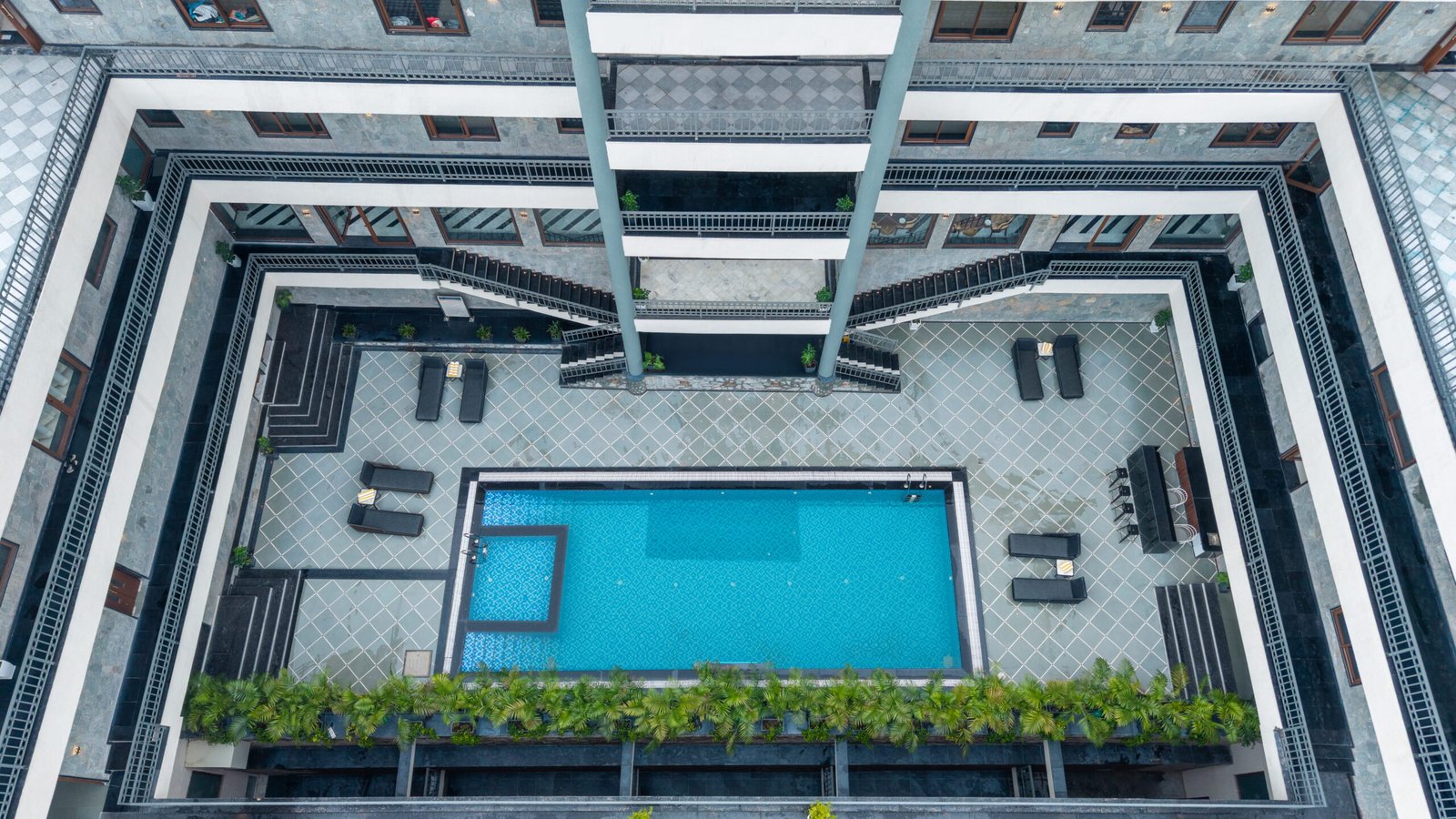
If you’re planning camp activities or staying at the dunes, this season is ideal. A stay like the Best Camp in Jaisalmer With Pool works especially well this time of year because the weather lets you enjoy both the pool and desert activities without discomfort.
Crowds are higher in December–January, so book early if you want better prices or options like a Maharaja Tent in Jaisalmer.
April to June — Hot and Dry (Not Recommended)
This is the harshest period. The sun is strong, the sand gets scorching, and even locals avoid unnecessary travel.
Temperature range:
35°C to 45°C+
Safari activities, fort walks, and open desert stays aren’t pleasant during this time unless you have a very high heat tolerance or low expectations.
The only benefit? Prices drop sharply — but the experience drops with it.
July to September — Monsoon + Off-Season
Rain in Jaisalmer is rare, but humidity increases. The desert cools slightly, and the landscape gets a subtle green tint in some areas.
Temperature range:
26°C to 34°C
It’s not the worst time to visit, especially if you want low crowds and budget pricing. But don’t expect the same vibe as winter.
Safari conditions may vary depending on wind and sand moisture.
Best Time Based on Activity Type
| Activity | Ideal Time |
|---|---|
| Camel safari | October–March |
| Jeep safari | October–March |
| Overnight desert stay | October–February |
| Stargazing | November–February (moonless nights are best) |
| Sightseeing inside the fort | October–March (early mornings preferred) |
Booking a structured Jaisalmer Sightseeing Tour helps you avoid heat exposure and crowded hours — especially during peak months.
Festival Season: Worth It or Overrated?
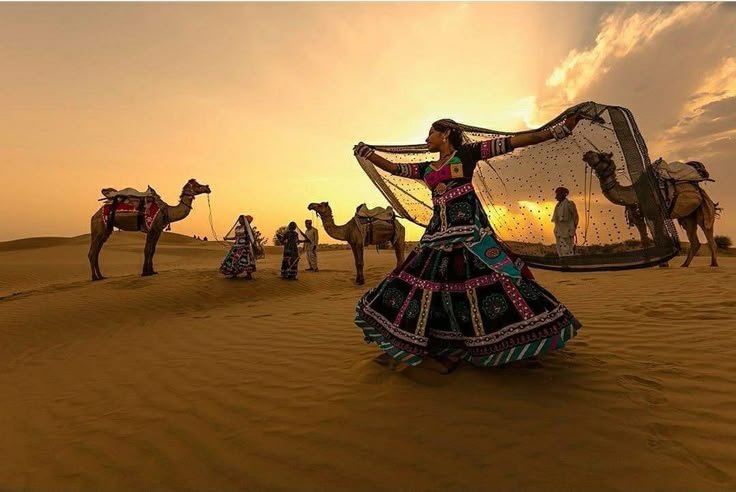
Jaisalmer hosts several cultural festivals, and visiting during one of them adds atmosphere — but also brings crowds and higher prices.
Popular ones:
- Desert Festival (usually in February)
- Diwali/New Year season
- Camel & kite events
If you enjoy cultural energy and don’t mind crowds, it’s worth it. If you prefer quiet travel, avoid these dates.
What to Pack (Season-Wise)
Winter (Oct–Feb)
✔ Light cotton for daytime
✔ Jacket or sweatshirt for nights
✔ Scarf for sand and wind
Summer (Apr–Jun)
✔ Sunscreen
✔ Sunglasses
✔ Breathable cotton or linen
✔ Plenty of hydration
Monsoon (Jul–Sep)
✔ Waterproof bag cover
✔ Non-slip footwear
✔ Light clothing
Practical Tips Based on Timing
- Avoid sightseeing during peak afternoon sun, even in winter
- Book desert camps early during December–January
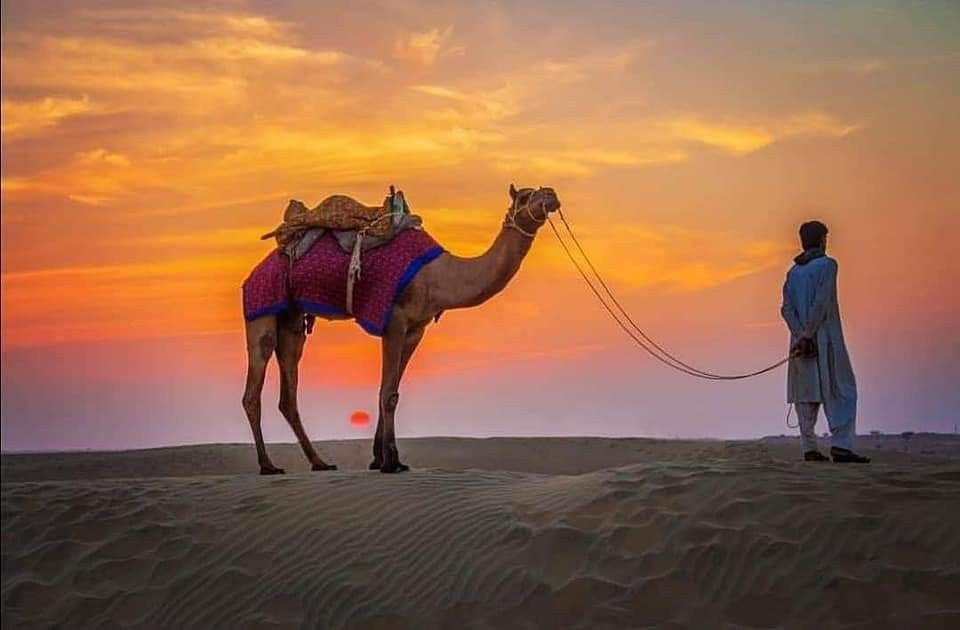
- Choose evening safari slots for best views
- Keep cash — rural areas aren’t always UPI-friendly
- If you want privacy and comfort, a Maharaja Tent is worth paying extra for during peak season
A stay like the Best Camp in Jaisalmer With Pool works especially well during winter and early spring because you get a balance of comfort, desert experience, and amenities.
Final Verdict: When Should You Visit?
The best time to visit Jaisalmer — without debate — is:
Mid-October to Early March
Weather is pleasant, activities run smoothly, sunsets are beautiful, and the desert feels alive.
If you want a smooth trip:
- Explore the city with a proper Jaisalmer Sightseeing Tour
- Plan a night at the dunes
- Choose a stay like Best Camp in Jaisalmer With Pool
- Upgrade to a Maharaja Tent in Jaisalmer if you want comfort and a better overall desert experience
Get the timing right, and Jaisalmer becomes one of the most rewarding trips in Rajasthan — not just a checklist of monuments.