Jaisalmer is a place where culture isn’t preserved, it’s lived. Heritage isn’t locked behind barriers, and the desert isn’t just scenery. Everything here exists together. That’s why a trip to Jaisalmer feels different from most tourist destinations.
To truly experience the Golden City, you need to balance three things: its history, its living culture, and the desert that shapes everyday life.
Culture That Lives in Daily Life
Culture in Jaisalmer isn’t staged for tourists. It’s part of routine life.
Inside the Living Fort
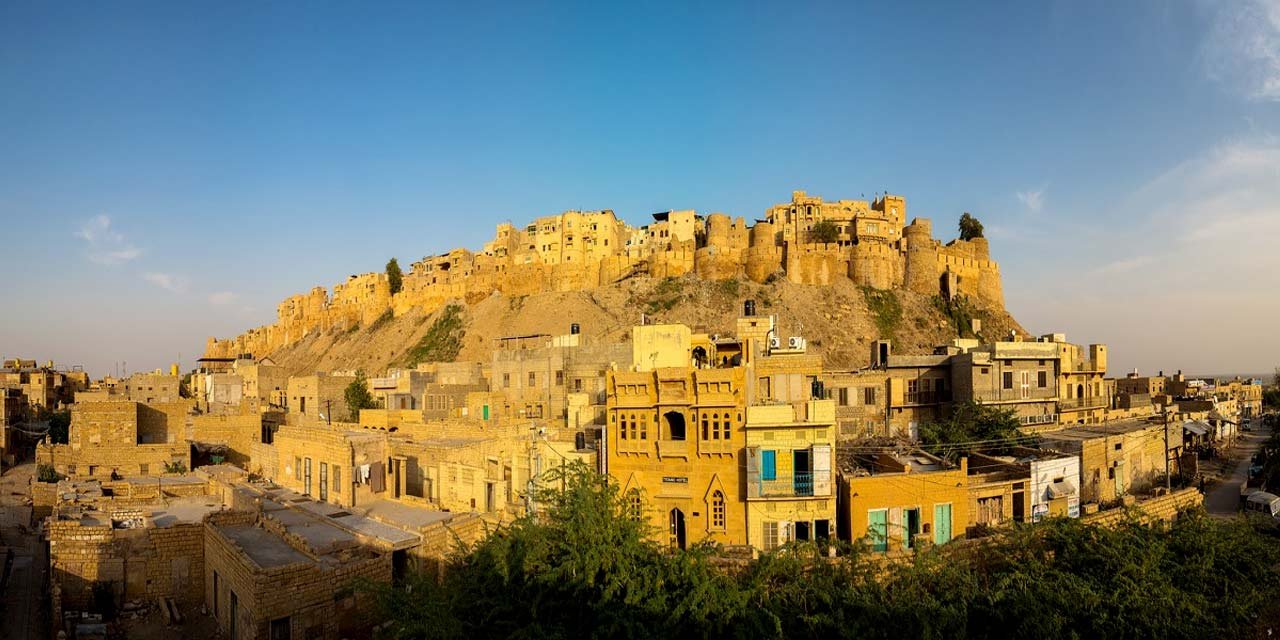
Jaisalmer Fort is one of the few living forts in the world. Families still live inside it, temples are active, and small businesses run as they have for generations. Walking through the fort lanes gives you a sense of how history and daily life coexist.
Visit early in the morning to see the fort waking up. It’s quieter, more personal, and far more meaningful than a rushed daytime visit.
Folk Music and Traditional Evenings
Rajasthani folk music reflects desert life, migration, and survival. The performances aren’t about glamour. They’re about storytelling.
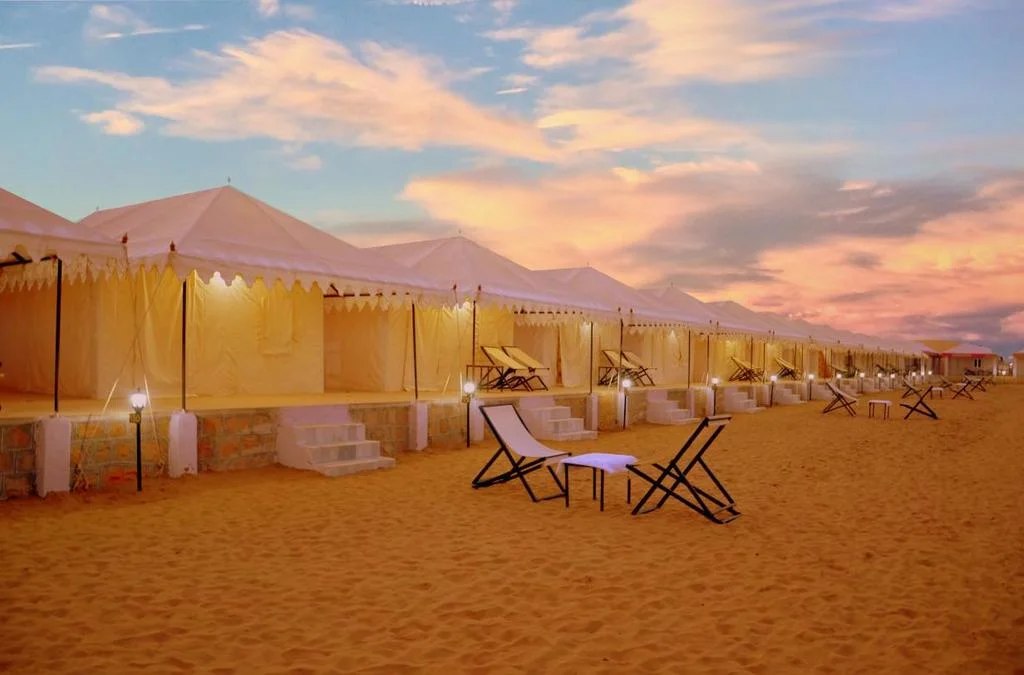
A cultural evening in the desert feels authentic when it’s part of a thoughtfully organized stay. Choosing a reliable Desert Camp in Jaisalmer ensures that music, dance, and food are presented respectfully rather than rushed or noisy.
Heritage That Tells a Story
Jaisalmer’s heritage comes from its role as a major trading hub on ancient caravan routes.
Havelis of the Merchant Era
Structures like Patwon Ki Haveli, Nathmal Ki Haveli, and Salim Singh Ki Haveli showcase intricate stone carving and smart architectural design suited for desert living. These buildings were built for comfort, ventilation, and status, not tourism.
You don’t need hours inside every haveli. Even walking around them reveals how wealth and craftsmanship shaped the city.
Gadisar Lake and Bada Bagh
Gadisar Lake once served as the city’s water source and remains a calm space for reflection. Bada Bagh, with its royal cenotaphs, offers open desert views and quiet moments, especially during sunset.
Both places connect heritage with landscape.
Desert Adventures That Feel Real
The desert around Jaisalmer isn’t artificial. It’s vast, raw, and demanding. Adventure here works best when it respects the land.
Desert Safaris
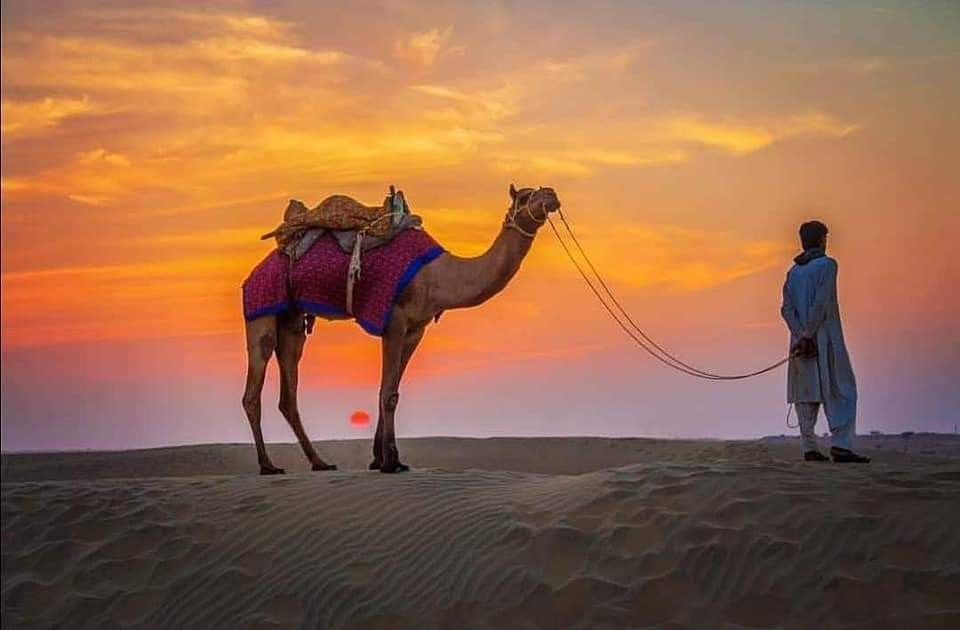
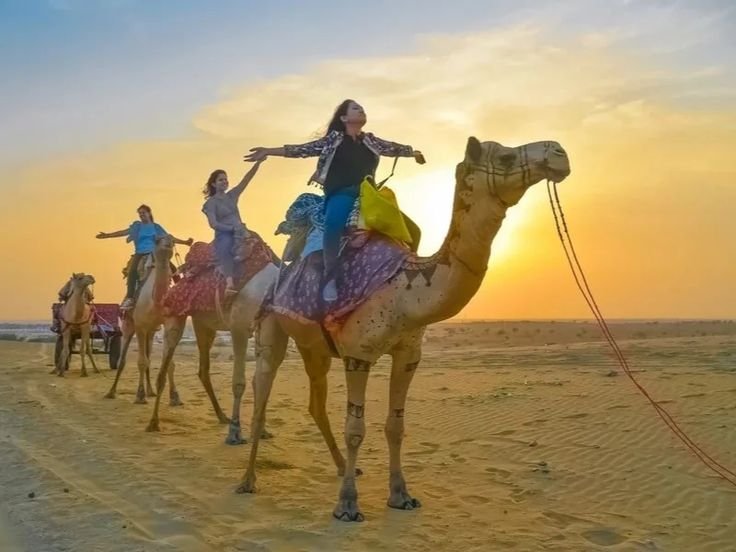
- Camel Safari: Traditional and slow, ideal for sunset and understanding desert travel.
- Jeep Safari: Faster and more thrilling, covering deeper dunes.
A good safari isn’t about speed. It’s about timing and space.
Overnight Desert Experience
An overnight stay in the desert is where culture and adventure come together. Silence, star-filled skies, folk music, and local food define the night.
Booking a structured Desert Camp in Jaisalmer ensures proper facilities, organized safaris, and a comfortable experience without chaos or shortcuts.
One night is enough to feel the desert’s impact.
Adventure Activities
For travelers who enjoy adrenaline, Jaisalmer offers quad biking, ATV rides, parasailing, and dune bashing. These activities should be chosen carefully.
Instead of booking randomly at the dunes, explore verified options through Jaisalmer Adventure Sports to ensure safety, fair pricing, and proper duration.
Limit yourself to one or two activities to keep the experience enjoyable.
Food as Part of Cultural Experience
Jaisalmer’s food reflects desert survival. Meals are filling, simple, and practical.
Try:
- Dal Baati Churma
- Ker Sangri
- Bajra roti
- Gatte ki sabzi
- Laal Maas (non-vegetarian)
- Ghotua laddoos
Rooftop cafés offer views, but smaller local eateries often serve more authentic flavors.
Where to Stay for a Complete Experience
Your stay affects how much of Jaisalmer you actually experience.
The best approach:
- One night in the city near the fort
- One night in the desert
City stays make heritage exploration easy. Desert stays bring silence and culture together.
You can explore heritage havelis, boutique hotels, and resorts through Book Hotels and Resorts in Jaisalmer to match comfort and location.
Best Time to Experience Culture and Desert
October to March is ideal. The weather supports walking, desert stays, cultural evenings, and adventure activities.
Summer limits outdoor experiences, while monsoon offers quieter travel with fewer desert options.
Practical Tips for a Balanced Trip
- Walk early morning or evening
- Carry water and sunscreen
- Desert nights get cold, even in winter
- Book camps and safaris in advance
- Avoid overloading your itinerary
- Respect local customs and dress modestly
Final Thoughts
Jaisalmer isn’t defined by one experience. Its strength lies in how culture, heritage, and desert life exist together. Walk the fort slowly. Listen to folk music without distraction. Sit quietly in the desert. Choose adventure thoughtfully.