
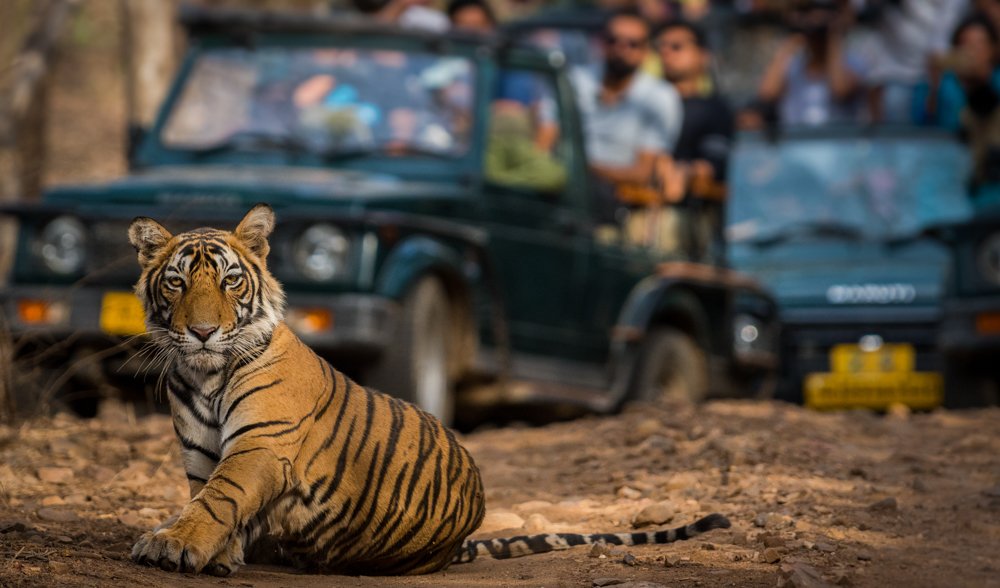
Nestled in the heart of Rajasthan, Ranthambore National Park is one of India’s most celebrated wildlife destinations, drawing travelers, photographers, and nature enthusiasts from around the world. Known for its majestic tigers, rich biodiversity, and royal history, this national park offers an immersive experience that blends adventure, tranquility, and natural beauty. Whether you’re visiting to witness the majestic Bengal tiger or to stay at the best hotel in ranthambore, the region promises an unforgettable escape into the wild.
A Historical Gem with Royal Heritage
Ranthambore’s legacy dates back to the 10th century when it was a royal hunting ground for the Maharajas of Jaipur. The iconic Ranthambore Fort, a UNESCO World Heritage Site, stands proudly within the park, offering a panoramic view of the lush landscape and serving as a reminder of the region’s regal past. The ancient temples, crumbling pavilions, and majestic ruins scattered throughout the forest tell stories of valor, devotion, and grandeur. Visitors often find themselves captivated not just by the wildlife but also by the deep historical essence that permeates every corner of this sanctuary.
The Thrill of Tiger Sightings
Ranthambore National Park is synonymous with tiger spotting. With an estimated population of over 70 tigers, it’s one of the best places in India to observe these magnificent creatures in their natural habitat. Each tiger in the park is well-documented and often recognized by its unique stripe patterns. Early morning and late afternoon safaris provide the best opportunities to witness tigers as they patrol their territories or lounge near the lakes. The thrill of encountering a tiger in the wild, often just a few meters away, creates a lasting memory for every visitor.
Biodiversity Beyond Tigers
While the tigers are undoubtedly the stars of the park, Ranthambore’s ecosystem supports a wide array of wildlife species. Leopards, sloth bears, sambar deer, Indian gazelles, and crocodiles inhabit the park’s diverse terrain, which ranges from dry deciduous forests to open grasslands. The park is also a paradise for bird watchers, with more than 300 species recorded here, including kingfishers, eagles, and migratory birds from as far as Siberia. Each safari feels like a new chapter in a living documentary, making it an educational and thrilling experience for visitors of all ages.
Scenic Beauty and Natural Diversity
The landscape of Ranthambore is one of its most striking features. Rolling hills, serene lakes, and ancient banyan trees create a picturesque setting that is both wild and serene. The lakes—Padam Talao, Malik Talao, and Rajbagh Talao—are vital lifelines for the park’s inhabitants and add to its visual charm. The interplay of golden sunlight on rugged cliffs during dawn and dusk gives the park an almost mystical aura. Exploring these natural vistas provides a refreshing break from the bustle of city life and offers an opportunity to reconnect with nature.
Conservation Efforts and Sustainable Tourism
Ranthambore is a success story in wildlife conservation. Once severely affected by poaching, the park has seen a significant revival thanks to strict protection laws and local awareness campaigns. Community participation in conservation efforts has played a crucial role in this turnaround. Eco-friendly resorts and guided safaris promote responsible tourism, ensuring that visitors contribute positively to the park’s preservation. Travelers are encouraged to follow park regulations, avoid littering, and support sustainable practices that protect this precious ecosystem.
Cultural and Rural Experiences Around the Park
Beyond the park’s boundaries lies an authentic slice of rural Rajasthan. Visitors can explore nearby villages to experience local culture, crafts, and cuisine. Traditional Rajasthani hospitality, vibrant folk performances, and local markets add cultural depth to a wildlife trip. The interaction between the local communities and the natural world around them offers valuable insights into coexistence and sustainability. For those seeking comfort amid the wilderness, staying at a Luxury Resort in Ranthambore provides the perfect balance of opulence and nature.
The Best Time to Visit Ranthambore
The ideal time to visit Ranthambore National Park is between October and June. The winter months offer pleasant weather and better visibility for safaris, while the summer months increase the chances of tiger sightings as animals congregate around water sources. The park remains closed during the monsoon season to allow the flora and fauna to rejuvenate. Each season, however, brings its own charm, making Ranthambore a year-round attraction for those who appreciate the rhythms of nature.
Adventure and Photography Opportunities
For photographers, Ranthambore is a dream come true. From capturing a tiger’s intense gaze to the reflection of deer grazing by the lake, every frame tells a story of raw wilderness. Jeep safaris and canter rides provide the perfect vantage points for photography enthusiasts to explore the park’s diverse terrain. Professional guides often share fascinating insights and tips, ensuring that every expedition is both informative and rewarding.
Why Ranthambore Remains a Traveler’s Favorite
Ranthambore’s allure lies in its seamless blend of adventure, heritage, and natural beauty. It’s not just a wildlife destination—it’s a place where history, culture, and nature coexist harmoniously. The stories of the tigers, the echoes of royal hunts, and the serenity of the lakes make every visit a deeply personal journey. For those eager to learn more about this remarkable sanctuary, reading Top 8 Interesting Facts About Ranthambore Wildlife Sanctuary offers fascinating insights into what makes this park so extraordinary.
Final Thoughts
Ranthambore National Park continues to captivate the hearts of travelers worldwide. Whether you seek the excitement of a jungle safari, the tranquility of nature, or a luxurious retreat after a day of exploration, Ranthambore has something for everyone. Its enduring charm lies in its ability to offer an authentic connection to India’s wild heritage while maintaining the comfort and hospitality that make each visit special. The park’s popularity is not just because of its tigers but because it offers an experience that is both exhilarating and soul-stirring—a true testament to India’s incredible natural legacy.