Choosing a location for a getaway often involves balancing relaxation with exploration. Kumbhalgarh, a jewel in the Aravalli Range, offers an unparalleled blend of rugged history and serene luxury. Whether you are visiting to marvel at ancient architecture or are scouting for a premier wedding resort in Kumbhalgarh, this destination promises a regal experience that stays with you long after you leave. This guide outlines a comprehensive sightseeing plan to ensure you capture the essence of this historic landscape.
Behold the Grandeur of the Mewar Fortress
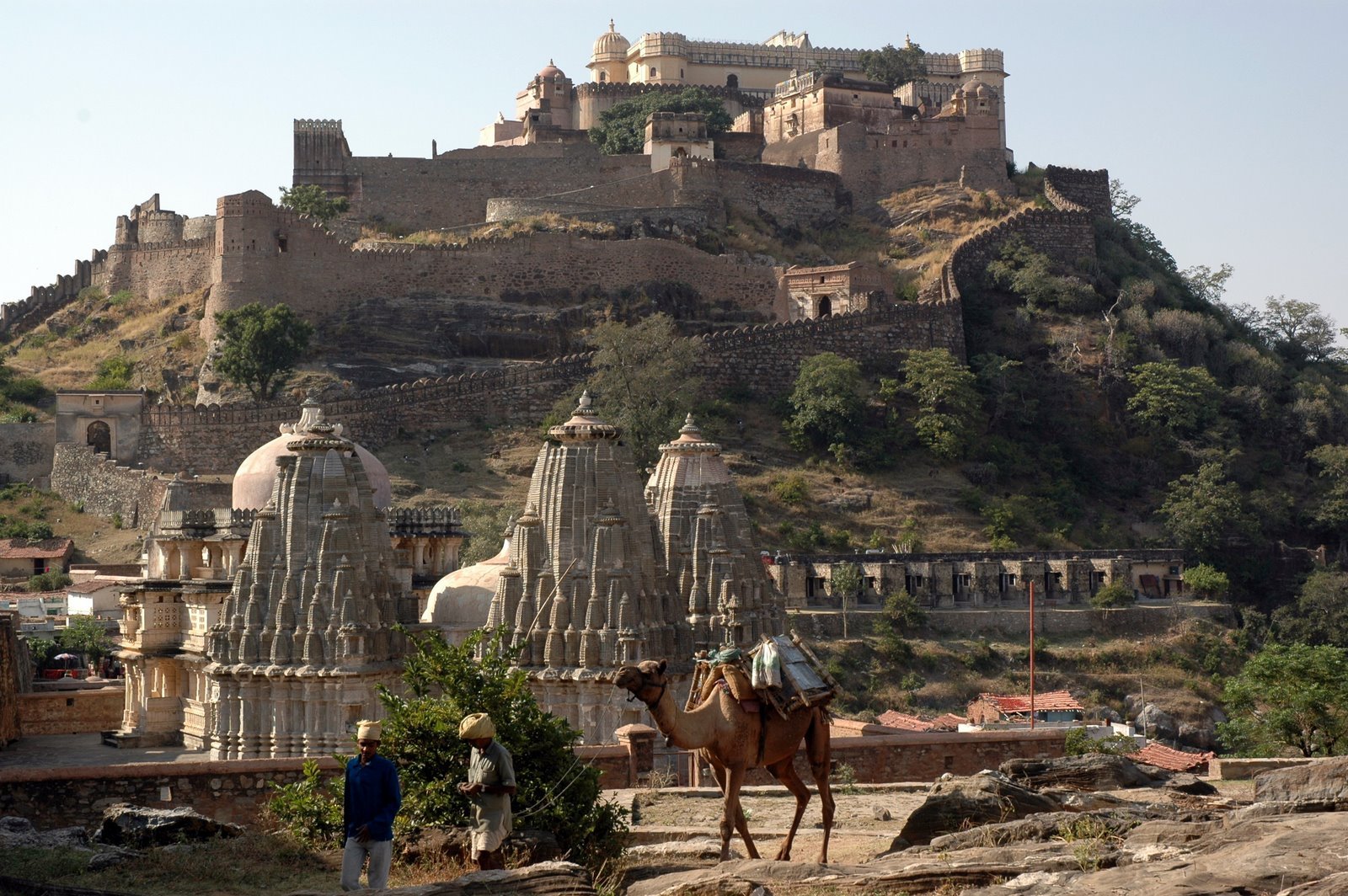
The primary attraction of any visit to this region is undoubtedly the Kumbhalgarh Fort. Built during the 15th century by Rana Kumbha, this UNESCO World Heritage site is famous for having the second-longest continuous wall in the world, stretching over 36 kilometers. As you walk along the massive ramparts, the sheer scale of the engineering becomes evident. The fort was designed to be impregnable, and it remained so for most of its history, providing a safe haven for the rulers of Mewar during times of conflict. Exploring the various palaces within, such as the Badal Mahal or the “Palace of Clouds,” offers a bird’s-eye view of the surrounding hills, making it a photographer’s paradise.
Witness the Evening Light and Sound Show
To truly appreciate the history of the fort, staying back for the evening light and sound show is essential. As the sun sets behind the Aravallis, the fort is illuminated by thousands of lights, transforming the rugged stone structure into a glowing golden crown. The narration takes you through the tales of Maharana Pratap’s birth and the sacrifices made by Panna Dhai to protect the lineage of Mewar. This experience adds a layer of emotional depth to the physical structures you explored during the day, grounding the architecture in the living history of the people who inhabited it.
Explore the Spiritual Heritage of Neelkanth Mahadev Temple
Nestled within the fort complex is the Neelkanth Mahadev Temple, dedicated to Lord Shiva. Notable for its massive six-foot-tall Shivalinga made of black stone, the temple is an architectural marvel of its own. It is said that Rana Kumbha was so tall that he could perform the ‘Abhishek’ (ritual bath) of the deity while sitting down. The peaceful atmosphere here, combined with the intricate stone carvings, offers a moment of spiritual reflection amidst the military might of the surrounding fortifications.
Safari Through the Kumbhalgarh Wildlife Sanctuary
Beyond the stone walls lies the vibrant Kumbhalgarh Wildlife Sanctuary. This sprawling green expanse is home to a variety of flora and fauna, including leopards, sloth bears, hyenas, and wolves. A jeep safari through the sanctuary allows you to witness the wild side of Rajasthan. The terrain is characterized by dense forests and rocky outcrops, providing a stark contrast to the desert landscapes often associated with the state. For birdwatchers, the sanctuary is a delight, particularly during the winter months when migratory species frequent the water bodies within the park.
A Royal Celebration: Why Kumbhalgarh is the Ultimate Backdrop
In recent years, the region has gained immense popularity as a premier destination wedding resort in Rajasthan. The juxtaposition of ancient heritage with modern luxury makes it a favorite for couples seeking a majestic setting for their special day. Turban Hotels & Resorts embodies this blend, offering world-class amenities while maintaining the cultural integrity of the region. Planning a wedding here means your guests can enjoy the historical sightseeing mentioned above while celebrating in a space that feels like a private oasis.
Visit the Vedi Temple
Located near the Hanuman Pol of the fort, the Vedi Temple is a unique three-story ritualistic structure. Built by Rana Kumbha to perform sacrifices after the completion of the fort, it is one of the few remaining sacrificial sites of its kind in India. Its octagonal shape and 36 pillars make it an interesting study for those into ancient Vastu Shastra and temple architecture. It serves as a reminder of the deep religious roots that were intertwined with the defensive strategies of the Mewar kings.
Trekking and Nature Walks in the Aravallis
For those who prefer a more active sightseeing plan, the hills surrounding Kumbhalgarh offer several trekking trails. A popular route leads from the fort to the foot of the hills, passing through local villages and forest patches. These walks provide a closer look at the local lifestyle and the unique biodiversity of the Aravalli Range. Engaging with the local community offers insights into the traditional crafts and sustainable living practices that have been preserved for generations.
Practical Tips for Your Kumbhalgarh Journey
To make the most of your detailed sightseeing plan, it is recommended to visit between October and March when the weather is pleasant for outdoor exploration. Wear comfortable walking shoes, as the fort involves significant climbing and walking over uneven stone surfaces. Hiring a local guide at the fort entrance is highly beneficial, as they share anecdotal history and hidden details that are not mentioned on signboards. Finally, ensure you carry a good camera; the views from the highest point of the fort, the Pagda Pol, are among the most breathtaking in all of India. Whether you are here for history, nature, or a grand celebration, Kumbhalgarh offers a majestic retreat that caters to every traveler’s soul.