
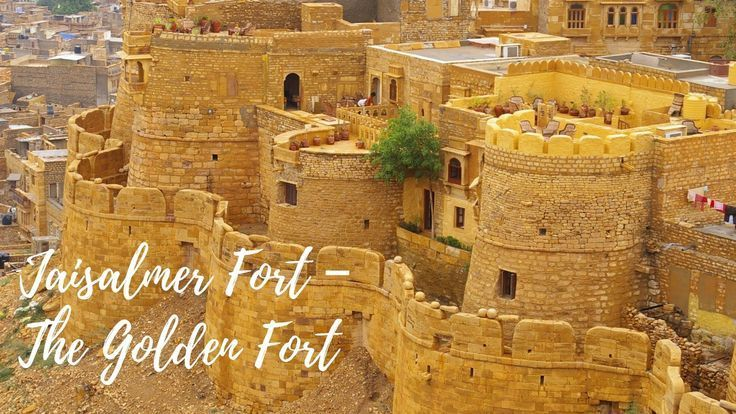
The golden mirage of the Thar Desert isn’t just a collection of silent ruins; it is a breathing, pulsating heart of stone known as Sonar Quila. Unlike the hollowed-out shells of other medieval fortifications across India, the Jaisalmer Fort remains a living entity, housing nearly one-fourth of the old city’s population within its honey-hued ramparts. For those seeking an authentic experience at a Desert camp in Jaisalmer, understanding the transition of this fort from a secluded royal citadel to a bustling residential neighborhood is essential to grasping the true soul of Rajasthan. Built in 1156 AD by the Bhati Rajput ruler Rawal Jaisal, the fort was strategically perched on Trikuta Hill, serving as a vital stopover for silk route caravans. Today, that same strategic elevation offers a window into a lifestyle that has refused to succumb to the erosion of time.
A Citadel Built for Survival and Power
In its infancy, the fort was strictly the domain of the elite. The architecture was dictated by defense and the harsh desert climate. The massive yellow sandstone blocks were fitted together without mortar, relying on gravity and intricate interlocking systems to withstand seismic shifts and enemy sieges. The royalty lived in the upper tiers, while the lower sections housed soldiers and essential craftsmen. This vertical social hierarchy was the blueprint of the fort for centuries. The narrow, winding alleys were designed to confuse invaders and break the force of the desert winds, creating a micro-climate that remained cool even when the sun blazed outside. As you walk through these lanes today, you can still feel the transition from the grand, ornate balconies of the Raj Mahal to the sturdy, functional dwellings of the common residents.
The Shift from Palace to Public Space
The evolution of the “Inhabited Fort” began in earnest as the threat of constant warfare diminished and the era of the British Raj altered trade routes. As the royal family eventually moved into palaces outside the fort walls, like Mandir Palace, the vacuum was filled by the people who served the crown. Families of priests, merchants, and artisans who had lived under the shadow of the King stayed behind, transforming royal quarters into ancestral homes. This migration turned a military outpost into a permanent residential hub. Today, the descendants of these original inhabitants maintain the same doorways, worship at the same ancient Jain temples, and gather at the same communal squares. For a traveler exploring the 01 Night 2 days Sam Sand Dunes Package, witnessing this continuity offers a stark, beautiful contrast to the quiet solitude of the open desert.
Architecture That Breathes with the People
Living in a UNESCO World Heritage site comes with its own set of challenges and charms. The residents have adapted their ancient homes to modern needs without losing the aesthetic integrity of the “Golden City.” Every “Jharokha” (carved stone window) serves a purpose, allowing women to observe the streets while maintaining privacy and providing natural ventilation. The stone floors, polished by centuries of footsteps, stay cool in the summer and retain heat during the chilly desert nights. The evolution is visible in the small details: a centuries-old sandstone wall might now support a modern sign for a rooftop cafe, or a traditional courtyard might be used for drying colorful laundry alongside ancient carvings. This blend of the antique and the everyday is what gives Jaisalmer its unique E-E-A-T value—experience and expertise are etched into every stone by the people who have guarded them for generations.
The Social Fabric of the Living Fort
Social life within the fort is a masterclass in community living. Unlike modern urban apartments, the fort functions as one large, extended family. The “Chaupar” or central courtyards remain the heart of gossip, trade, and celebration. This social cohesion is what saved the fort during the decline of the silk route; when the money stopped flowing from caravans, the residents turned to tourism and traditional crafts. Their deep-rooted connection to the structure ensures that the fort isn’t just a museum piece—it is a home. This sense of hospitality extends beyond the walls. After a day of exploring the fort’s history, many visitors head out to the dunes to experience a traditional Dinner in Sand Dunes Jaisalmer, where the same warmth found in the fort’s narrow lanes is mirrored under the vast desert sky.
Challenges of Modernity and Preservation
The transition from royalty to residents hasn’t been without its hurdles. The influx of modern plumbing and increased population density has put a strain on the ancient drainage systems. Because the fort is built on sedimentary rock, water seepage is a constant threat to its structural foundation. However, the residents have become the fort’s fiercest protectors. There is a growing movement within the community to adopt sustainable living practices that honor the original engineering of the Bhati kings. They understand that their heritage is their livelihood. International conservation groups work alongside local families to ensure that the evolution of the fort continues safely, allowing future generations to live within the same walls that once sheltered kings.
A Living Heritage for the Modern Traveler
To visit Jaisalmer Fort is to witness the resilience of human culture. It is one of the few places on earth where you can buy milk from a shop that has been in the same family for four hundred years, or listen to a folk musician whose ancestors played for the Maharawal. The evolution from a royal stronghold to a residential neighborhood has democratized the history of Jaisalmer. It has allowed the stories of the common man to be just as important as the chronicles of the kings. This transition ensures that the “Golden City” remains relevant in the 21st century.
Conclusion: The Soul of the Sandstone
The story of Jaisalmer’s inhabited fort is a testament to the fact that buildings are nothing without the people who inhabit them. The royalty may have built the walls, but the residents gave the fort its soul. From the intricate carvings of the Patwon Ki Haveli to the simple joy of a sunset viewed from the ramparts, the fort continues to evolve. It remains a bridge between a glorious past and a vibrant present, standing firm against the shifting sands of the Thar. As you plan your journey through Rajasthan, remember that the fort is not just a destination; it is a living history book, with its residents writing a new page every single day.