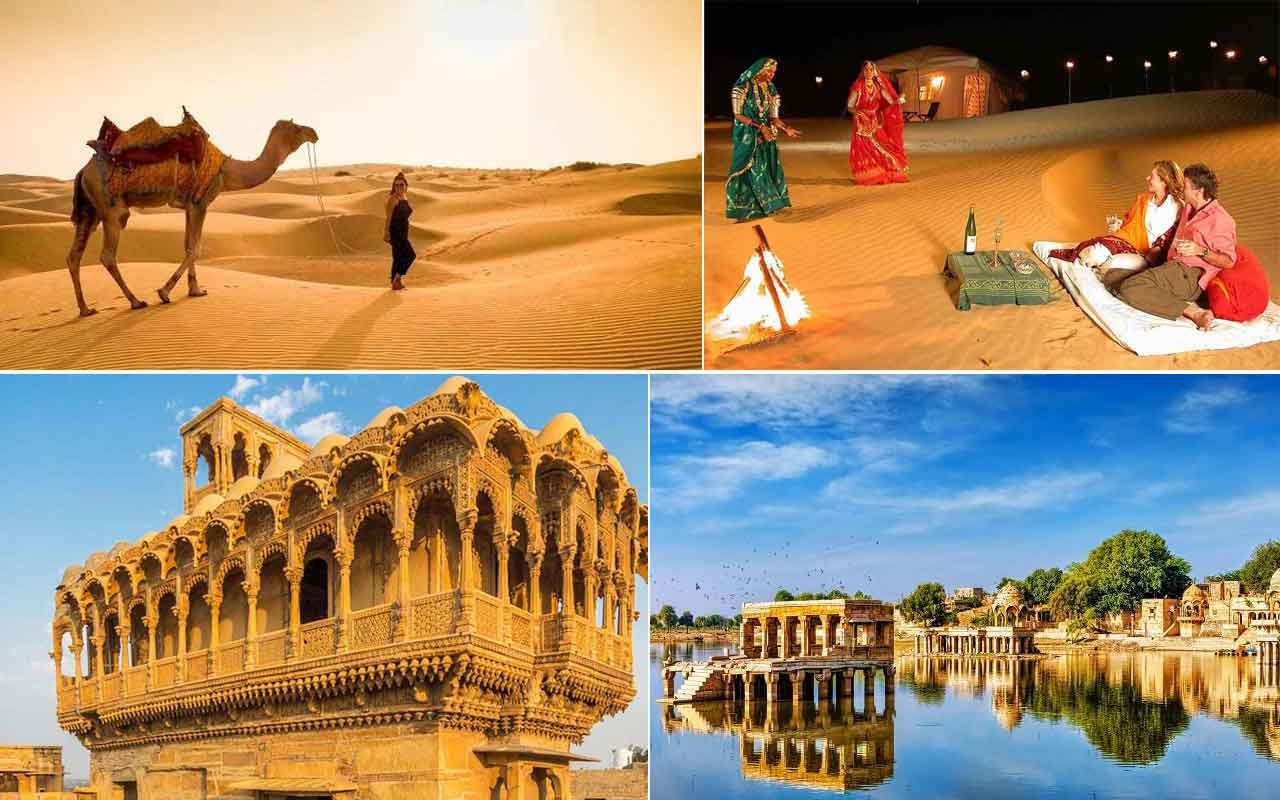

Ajmer and Pushkar are often described as the spiritual heart of Rajasthan, where the desert air carries the scent of incense and the sound of temple bells. For travelers seeking a blend of profound history and serene landscapes, a trip to these twin cities is essential. Choosing a reliable travel agency in rajasthan ensures that you navigate the narrow winding lanes of the old markets and the grand expanses of the royal palaces with ease. Whether you are a pilgrim looking for spiritual solace or a luxury seeker wanting to stay in converted heritage havelis, these destinations offer a timeless experience that reflects the true essence of Indian hospitality.
1. The Divine Ajmer Sharif Dargah
The Dargah of Khwaja Moinuddin Chishti is one of the most sacred Sufi shrines in the world. It serves as a symbol of communal harmony, attracting thousands of devotees from all faiths. The atmosphere here is electric yet peaceful, especially during the Qawwali sessions where soulful music fills the marble courtyard. Walking through the massive silver doors, travelers feel an immediate sense of tranquility. It is advisable to visit early in the morning to avoid the midday rush and to truly soak in the spiritual energy of this historic landmark.
2. Ana Sagar Lake: A Royal Retreat
Built by Anaji Tomar, the grandfather of Prithviraj Chauhan, Ana Sagar Lake is an expansive artificial lake that offers a refreshing escape from the city’s bustle. The “Daulat Bagh” gardens surrounding the lake are meticulously manicured, featuring marble pavilions known as Baradari, which were commissioned by Emperor Shah Jahan. Strolling along the lake at sunset provides a panoramic view of the Ajmer skyline reflecting off the water. For those exploring the region through a Rajasthan Temples Tour, the lake serves as a perfect midday resting point between visits to the city’s ancient shrines.
3. The Architectural Marvel of Adhai Din Ka Jhonpra
Originally built as a Sanskrit college, this structure was converted into a mosque in the 12th century. The name translates to “Shed of Two and a Half Days,” rumored to be the time it took to complete the conversion. The site is a masterpiece of Indo-Islamic architecture, featuring seven arched walls decorated with exquisite Islamic calligraphy. Despite being in ruins, the intricate carvings on the pillars and the grand scale of the arches remain a testament to the skilled craftsmanship of ancient India. It is a must-visit for history buffs and photography enthusiasts alike.
4. Taragarh Fort: The Star Fort
Perched on a steep hillside, Taragarh Fort offers one of the best vantage points in Ajmer. Known as the oldest hill fort in India, it features massive battlements and a series of impressive gateways. Exploring the fort requires a bit of a climb, but the reward is a bird’s-eye view of the entire city and the surrounding Aravalli range. The fort houses several water reservoirs carved out of solid rock and a shrine dedicated to Miran Sahib, making it a site of both historical and religious significance.
5. Brahma Temple: The Soul of Pushkar
Pushkar is home to the world’s only prominent temple dedicated to Lord Brahma. The structure, identified by its distinct red spire and the symbol of a hamsa (swan), dates back to the 14th century, though the site itself is considered thousands of years old. Inside, the marble floors are often embedded with silver coins donated by devotees. The temple stands as the cornerstone of Pushkar’s identity, and a visit here is considered incomplete without taking a holy dip in the nearby Pushkar Lake.
6. Pushkar Lake and the 52 Ghats
The sacred Pushkar Lake is surrounded by 52 bathing ghats where pilgrims perform rituals and prayers. Each ghat has its own history and significance, such as Varaha Ghat and Gandhi Ghat. The evening “Aarti” ceremony is a mesmerizing sight, as hundreds of flickering oil lamps are floated onto the water against the backdrop of chanting priests. The reflection of the white-washed buildings in the holy water creates a surreal, ethereal atmosphere that defines the Pushkar experience.
7. Savitri Mata Temple Trek
For those who enjoy a bit of adventure, the trek to Savitri Mata Temple on Ratnagiri Hill is highly recommended. Dedicated to Lord Brahma’s first wife, the temple offers a stunning 360-degree view of the desert landscape and the town of Pushkar. You can choose to hike the stone steps or take the ropeway for a more comfortable ascent. Watching the sunrise from this height is a spiritual experience in itself, as the first rays of light illuminate the golden sands of the Thar desert.
8. Mayo College: The Eton of the East
Located in Ajmer, Mayo College is one of India’s oldest and most prestigious independent boarding schools. While it is an educational institution, the architecture of the main building, made of white marble in the Indo-Saracenic style, is breathtaking. The Danmal Mathur Museum within the campus houses rare antiques and armor, providing a glimpse into the lifestyle of the princely states of Rajasthan. It represents the colonial history and royal patronage that helped shape the region.
9. Rangji Temple’s South Indian Splendor
What makes Rangji Temple unique is its architecture, which blends Rajput, Mughal, and South Indian (Dravidian) styles. Dedicated to an incarnation of Lord Vishnu, the temple features a towering “Gopuram” that is rarely seen in Northern India. This architectural fusion makes it one of the most photographed spots in Pushkar. Travelers opting for Rajasthan luxury tour packages often include this temple in their itinerary for its quiet elegance and cultural uniqueness.
10. The Vibrant Pushkar Bazaar
No trip to these twin cities is complete without a walk through the Pushkar Bazaar. This bustling market is a treasure trove of silver jewelry, embroidered textiles, leather goods, and rose-based products. Pushkar is famous for its rose cultivation, and you can find everything from rose water to “Gulkand” (rose petal jam). The market is also a great place to sample local delicacies like Malpua and Lassi, offering a sensory explosion of colors, scents, and flavors.
Planning Your Journey
Ajmer and Pushkar offer a unique duality—the bustling, historic energy of a city centered around a Sufi saint and the calm, mystical vibe of a town dedicated to the creator of the universe. To truly appreciate the depth of these locations, one must look beyond the surface and engage with the local traditions. From the echoes of the Dargah to the quiet ripples of the Pushkar Lake, these ten places represent the very best of Rajasthan’s cultural heritage. Visiting this year allows you to witness the evolving landscape of these ancient towns while they still retain their soul-stirring charm.