
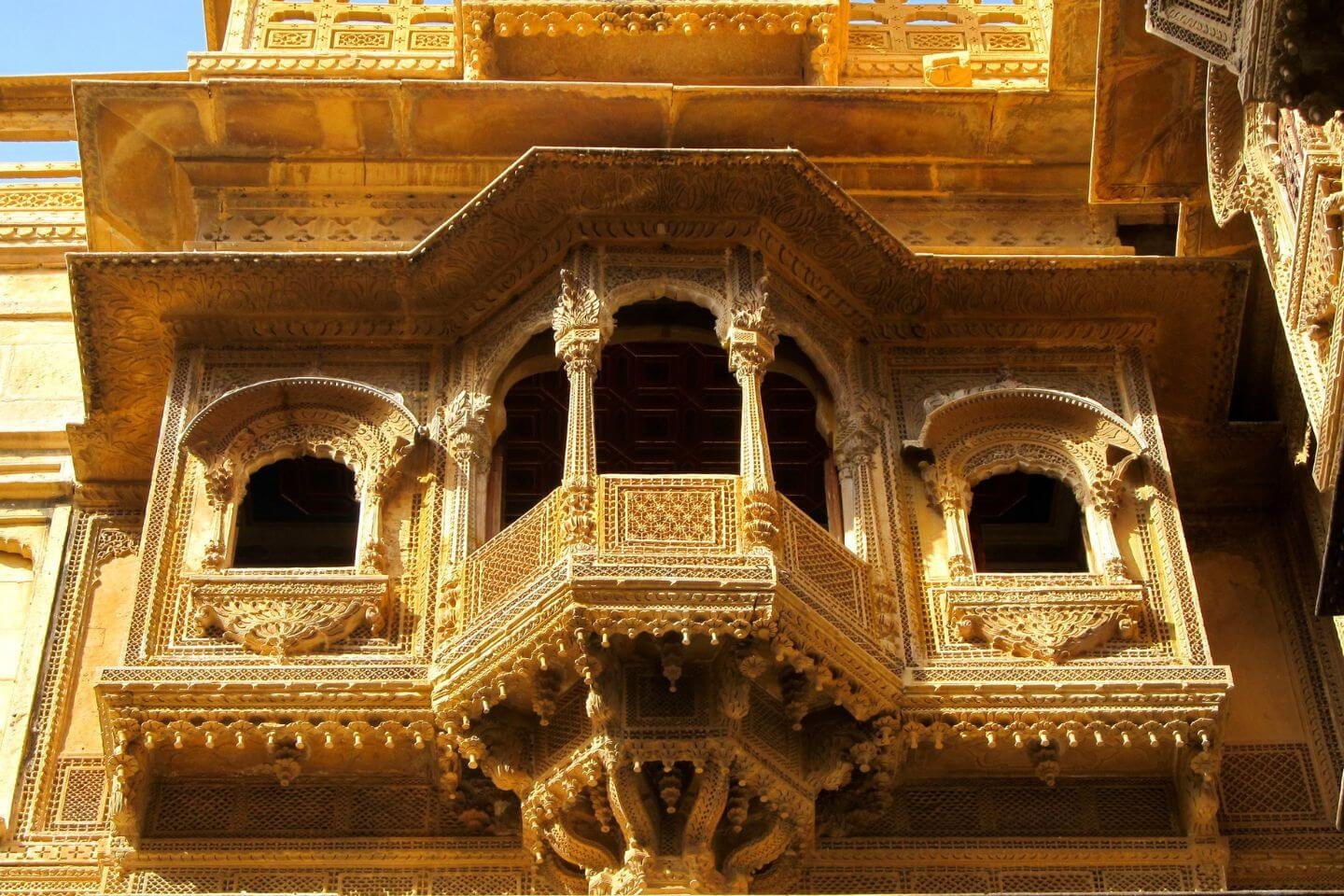
Discovering the “Golden City” of Rajasthan often begins with a single, breathtaking architectural marvel. For many travelers, a tour operator in Jaisalmer is the first point of contact to unlock the secrets of this desert landscape, and there is no better way to start an exploration than by visiting the legendary Patwon Ki Haveli. This cluster of five grand havelis is not just a building; it is a testament to the immense wealth and artistic vision of the 19th-century Jain traders. As you walk through the narrow lanes of the old city, the golden sandstone facades rise up to meet you, covered in carvings so delicate they look like lace frozen in stone. This half-day journey offers a deep dive into the heritage, lifestyle, and history of Jaisalmer, ensuring every visitor leaves with a profound appreciation for the craftsmanship of a bygone era.
The Architectural Grandeur of Patwon Ki Haveli
Patwon Ki Haveli is widely considered the largest and most elaborate mansion in Jaisalmer. It was commissioned by Guman Chand Patwa, a wealthy merchant who dealt in gold and silver embroidery. The construction took over 50 years to complete, resulting in a complex where each of the five houses was intended for one of his sons. When you visit patwon ki haveli, the first thing that strikes you is the sheer scale of the jharokhas (balconies). There are over 60 of them, each carved with unique geometric and floral patterns that shift in hue as the sun moves across the sky. The mastery of the local stone masons is evident in every pillar and ceiling, showcasing why Jaisalmer’s architecture remains a focal point for historians and art lovers globally.
Exploring the Interiors and Museum
While the exterior is a feast for the eyes, the interiors offer a glimpse into the opulent lifestyle of the Patwa family. One of the havelis has been converted into a government-run museum, preserving the original artifacts, furniture, and kitchenware used centuries ago. Walking through the rooms, you will see walls adorned with intricate paintings and mirror work that reflect the light beautifully. The museum section specifically highlights the “Patwa” trade, showcasing the silver and gold threads that made the family famous. This tactile connection to history makes the half-day tour an educational experience, bridging the gap between modern Jaisalmer and its mercantile past.
Cultural Significance and Local Lore
Beyond the stone and mortar, these havelis carry the stories of the people who built them. Local legends suggest that the Patwa family was so wealthy that they provided financial support to the local royalty during times of crisis. This influence is reflected in the design of the havelis, which often mimicked royal palace architecture. The layout of the buildings also served a functional purpose; the narrow alleys and high stone walls provided natural cooling against the harsh Thar Desert heat. Observing how these structures were engineered to balance luxury with survival provides a fascinating look into the ingenuity of medieval urban planning in Rajasthan.
Practical Tips for Your Half-Day Tour
To make the most of your visit, timing is everything. Arriving early in the morning allows you to beat the crowds and capture the soft morning light hitting the yellow sandstone. Most visitors spend about two to three hours exploring the different levels of the mansions. It is highly recommended to hire a local guide who can point out the subtle differences between the five separate houses, as each reflects a slightly different period of construction and artistic preference. Comfortable walking shoes are a must, as the streets leading to the haveli are narrow and best explored on foot.
Getting Around Jaisalmer Comfortably
Jaisalmer’s charm lies in its labyrinthine streets, but navigating between the Fort, the havelis, and Gadisar Lake requires reliable transportation. To ensure a seamless experience between these heritage sites, many travelers opt for a professional Jaisalmer taxi service to manage their local commute. Having a dedicated vehicle allows you to store your belongings safely and move at your own pace without the stress of negotiating fares with local rickshaws. This convenience is particularly valuable during the afternoon hours when the desert sun is at its strongest, providing a cool sanctuary between stops.
Why This Half-Day Tour is Essential
A visit to Patwon Ki Haveli is more than just a sightseeing stop; it is an immersion into the soul of the city. While the Jaisalmer Fort represents the power of the rulers, the havelis represent the power and taste of the people. This distinction is vital for understanding the socio-economic fabric of the region. By spending half a day here, you aren’t just looking at old buildings; you are witnessing the peak of stone-carving technology and the legacy of a family that helped shape the city’s identity. It remains a mandatory highlight for anyone seeking to experience the authentic essence of Rajasthan.
Best Time to Visit and Photography Advice
The winter months from October to March offer the most pleasant weather for exploring outdoor monuments. For photography enthusiasts, the balconies of the havelis provide incredible frames of the surrounding city and the distant Fort. Use a wide-angle lens to capture the entirety of the facades, but don’t forget to zoom in on the micro-carvings of the peacocks and floral motifs. The play of shadows within the courtyards also provides excellent opportunities for high-contrast black and white photography, emphasizing the textures of the weathered stone.
Final Thoughts on the Jaisalmer Heritage Experience
Concluding your half-day tour at a local rooftop cafe overlooking the havelis is the perfect way to soak in the atmosphere. As you watch the sunset turn the sandstone from yellow to a deep orange, the history of the Patwas feels remarkably alive. Jaisalmer is a city that rewards those who take the time to look closely at its details. From the grand arches of the haveli to the warm hospitality of the local guides, every element of this tour contributes to a memory that lasts a lifetime. Plan your visit with care, respect the heritage sites, and let the Golden City tell you its incredible story through its silent, stone-carved walls.