Chittorgarh is not merely a city; it is a sprawling testament to the valor, sacrifice, and architectural brilliance of the Rajput era. As you stand atop the massive plateau where the fort resides, the air feels heavy with stories of legendary queens and brave warriors. For anyone planning a journey through India’s royal state, consulting an experienced tour operator in Rajasthan is the best way to navigate the deep historical layers of this UNESCO World Heritage site. Today, Chittorgarh remains a pinnacle of Rajasthani pride, offering visitors a chance to walk through massive gateways and silent palaces that have survived centuries of siege and celebration.
The Architectural Marvel of Chittorgarh Fort
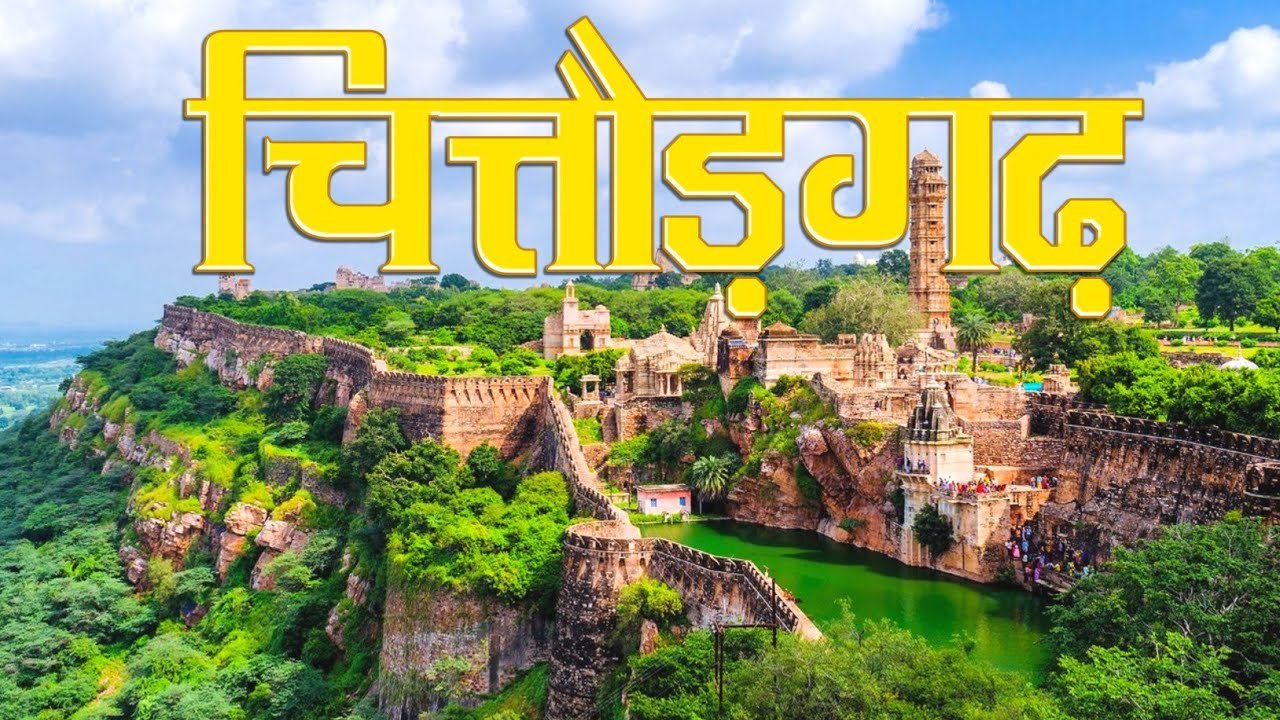
The primary highlight of any visit is the Chittorgarh Fort itself. Spanning nearly 700 acres, it is one of the largest forts in India. Unlike many other hill forts that are compact, Chittorgarh is a vast complex of temples, water bodies, and palaces. Its fish-shaped structure rises abruptly from the plains, visible from miles away. Entering through the seven massive gates, or Pols, you immediately feel the scale of the defense systems built by the Mewar rulers. Each gate, from Padan Pol to Ram Pol, tells a story of strategic warfare and architectural foresight.
The Tower of Victory: Vijay Stambh
Rising like a beacon of triumph, the Vijay Stambh is perhaps the most iconic structure within the fort. Built by Maharana Kumbha in 1448 to commemorate his victory over the combined armies of Malwa and Gujarat, this nine-story tower is a masterpiece of intricate carving. As you look closer at the red sandstone and white marble surfaces, you will see detailed depictions of Hindu deities, musical instruments, and seasonal motifs. Climbing the narrow stairs to the top offers a panoramic view of the entire Chittorgarh town, a highlight often included in a specialized Rajasthan heritage tour for those who appreciate the finer details of Vedic architecture and symbolism.
Padmini Palace and the Lotus Pools
Surrounded by water, the Padmini Palace is a delicate structure that contrasts with the rugged stone walls of the surrounding fortifications. It is famously associated with Queen Padmini, whose beauty and bravery are central to the city’s lore. The palace sits at the edge of a lotus pool, and the reflection of the building in the water provides a serene, picturesque atmosphere. It was here, according to legend, that the Sultan of Delhi, Alauddin Khalji, was allowed a glimpse of the Queen’s reflection, an event that eventually led to the historic siege of the fort.
The Spiritual Soul: Meera Temple and Samadhisvara
The spiritual landscape of Chittorgarh is as profound as its military history. The Meera Temple, dedicated to the mystic poetess Meera Bai, is a beautiful example of Indo-Aryan architecture. It represents a different side of Rajput history—one of devotion and artistic expression rather than just war. Nearby, the Samadhisvara Temple, dedicated to Lord Shiva, showcases exquisite carvings that rival the best temples in Northern India. These sites provide a moment of peace amidst the grand scale of the fort’s ruins.
Kirti Stambh: The Tower of Fame
While smaller than the Vijay Stambh, the Kirti Stambh is equally significant. This 22-meter-high tower was built by a Jain merchant in the 12th century and is dedicated to Adinath, the first Jain Tirthankara. It is adorned with figures from the Jain pantheon, standing as a symbol of the religious pluralism and cultural richness that defined the Mewar kingdom. Its presence emphasizes that Chittorgarh was not just a military garrison, but a flourishing center for art, commerce, and diverse faiths.
Gaumukh Reservoir: The Living Water Source
One of the most remarkable features of Chittorgarh is its sophisticated water management system. At one time, the fort housed 84 water bodies, ensuring that the inhabitants could survive long sieges. The Gaumukh Reservoir is the most famous of these. Water flows from a spring shaped like a cow’s mouth into a deep green pool. Watching the locals and pilgrims visit this site today reminds us that these ancient structures are not just dead monuments, but living parts of the local culture.
Planning Your Visit to the Land of Valor
Exploring these vast ruins requires time and proper planning. Many travelers assume that a trip to such a prestigious historical site would be prohibitively expensive; however, there are many Rajasthan Budget Tour Packages available that allow you to experience the grandeur of Chittorgarh without overextending your finances. These packages often include guided walks through the Rana Kumbha Palace, the oldest part of the fort, where you can see the vaulted chambers and the ruins of the royal stables.
The Echoes of Jauhar
No visit to Chittorgarh is complete without acknowledging the Jauhar Sthal. This is the sacred ground where the women of the fort committed self-immolation to protect their honor during times of certain defeat. It is a somber place that commands deep respect and offers a sobering look at the historical realities of the era. The courage associated with this ground is what makes Chittorgarh the “Soul of Rajasthan.”
Chittorgarh is a destination that stays with you long after you leave. Its combination of massive scale, delicate artistry, and haunting history makes it a unique stop on any Indian itinerary. Whether you are marvelling at the height of the Victory Tower or sitting by the quiet waters of Gaumukh, you are participating in a story that has been told for over a thousand years.