
Standing on the edge of the Thar Desert, Jaisalmer rises like a sandstone mirage, its honey-hued architecture earning it the moniker of the “Golden City.” Planning a journey here requires more than just a suitcase; it demands an understanding of the desert’s unique rhythm. To ensure a seamless exploration of this Rajasthan jewel, hiring a professional Jaisalmer tour operator is the first step toward uncovering the hidden stories etched into the walls of the Sonar Quila. Whether you are navigating the narrow alleys of the living fort or bracing for a sunset over the dunes, preparation is the key to an authentic experience.
Understanding the Best Time to Visit
The climate in Jaisalmer is characterized by extremes. To truly enjoy the outdoor grandeur, timing is everything. The winter months, stretching from October to March, offer pleasant daytime temperatures ranging from 20°C to 25°C, though nights can drop significantly. This is the peak season when the city vibrates with cultural festivals, most notably the Desert Festival in February. Visiting during the monsoon (July to September) offers a different perspective as the arid landscape gains a rare touch of greenery, though the humidity can be taxing. Avoid the summer months of April to June at all costs, as temperatures frequently soar above 40°C, making daytime sightseeing nearly impossible.
Navigating the Golden City
Logistics in a desert town can be tricky if you aren’t prepared. While the fort area is best explored on foot to appreciate the intricate carvings of the Patwon Ki Haveli and Nathmal Ki Haveli, reaching the outskirts requires reliable transport. Opting for a dedicated taxi service in jaisalmer provides the flexibility to visit distant attractions like the Kuldhara abandoned village or the Tanot Mata Temple near the border without the stress of navigating unmarked desert roads. Local transport like auto-rickshaws are available for short bursts within the city, but for a full day of exploration, a private vehicle ensures comfort against the desert sun.
Must-Visit Landmarks and Hidden Gems
No trip is complete without a comprehensive Jaisalmer sightseeing tour that covers both the famous and the overlooked. The Jaisalmer Fort is unique because it is one of the few “living forts” in the world, housing nearly one-fourth of the old city’s population. Beyond the fort, Gadsisar Lake offers a serene escape, especially at sunrise when the golden light hits the shrines surrounding the water.
- The Havelis: Patwon Ki Haveli is a cluster of five small havelis known for their exquisite stone latticework.
- Vyas Chhatri: An assembly of golden sandstone cenotaphs that serve as a perfect sunset viewpoint.
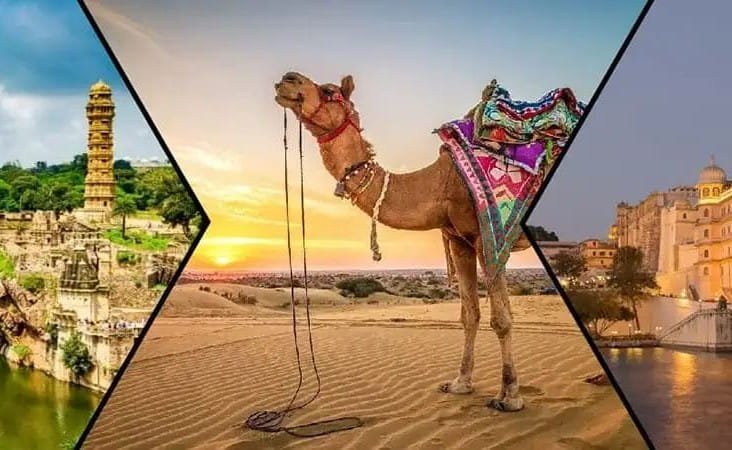
- Sam Sand Dunes: Located 45 km from the city, these dunes are the heart of the desert experience, offering camel treks and overnight stays in luxury Swiss tents.
- Bada Bagh: A historical site featuring royal cenotaphs that look particularly striking in the late afternoon.
Cultural Etiquette and Local Customs
Jaisalmer is a city deeply rooted in tradition. When visiting the ornate Jain Temples located inside the fort, remember to dress modestly, covering your shoulders and knees. You will be required to remove all leather items, including belts and wallets, before entering these sacred spaces. Interaction with locals is generally warm, but it is always polite to ask before taking photographs of people. Learning a few basic Marwari or Hindi phrases like “Khamma Ghani” (a traditional greeting) goes a long way in building rapport with the craftsmen and guides you will encounter.
Desert Safety and Packing Essentials
The desert environment is beautiful but unforgiving. Dehydration is a common issue for travelers, so carrying a reusable water bottle and sipping frequently is vital. Your packing list should include:
- Sun Protection: High-SPF sunscreen, polarized sunglasses, and a wide-brimmed hat.
- Clothing: Light, breathable cotton fabrics for the day and a sturdy jacket or fleece for the cold desert nights.
- Footwear: Closed-toe shoes are preferable for walking in the fort and trekking on the dunes to avoid hot sand and occasional thorns.
- Basic Medkit: Include rehydration salts, lip balm with SPF, and basic indigestion medicine, as Rajasthani cuisine can be quite spicy.
Savoring the Flavors of Jaisalmer
The local cuisine is a reflection of the desert’s constraints and creativity. Dishes are often made with minimal water and rely heavily on buttermilk and local spices. You must try “Ker Sangri,” a traditional vegetable dish made from desert beans and berries. “Dal Baati Choorma” remains a staple, providing the energy needed for long days of travel. For those with a sweet tooth, the “Ghotua” Ladoo is a local specialty that melts in your mouth. Always choose busy local eateries or reputable hotel restaurants to ensure the freshness of the ingredients, particularly when trying dairy-based dishes.
Sustainability and Responsible Travel
As Jaisalmer sees an influx of tourists, the pressure on its ancient infrastructure increases. The “living fort” in particular faces structural threats due to water seepage. As a responsible traveler, be mindful of your water usage while staying inside the fort area. Support the local economy by purchasing authentic handicrafts directly from artisans rather than mass-produced souvenirs. Avoid littering in the dunes; the desert ecosystem is fragile, and plastic waste can be devastating to local wildlife. By traveling mindfully, you contribute to the preservation of this UNESCO World Heritage site for future generations.
Final Thoughts for the Modern Explorer
Jaisalmer is more than a destination; it is a step back in time. From the haunting silence of the desert to the bustling markets filled with vibrant textiles and silver jewelry, the city offers a sensory overload in the best possible way. By planning your logistics ahead of time, respecting the local culture, and staying hydrated, your journey through the Golden City will be an unforgettable chapter in your travel history. Embrace the slow pace, watch the stars over the dunes, and let the golden sands tell you their ancient stories.