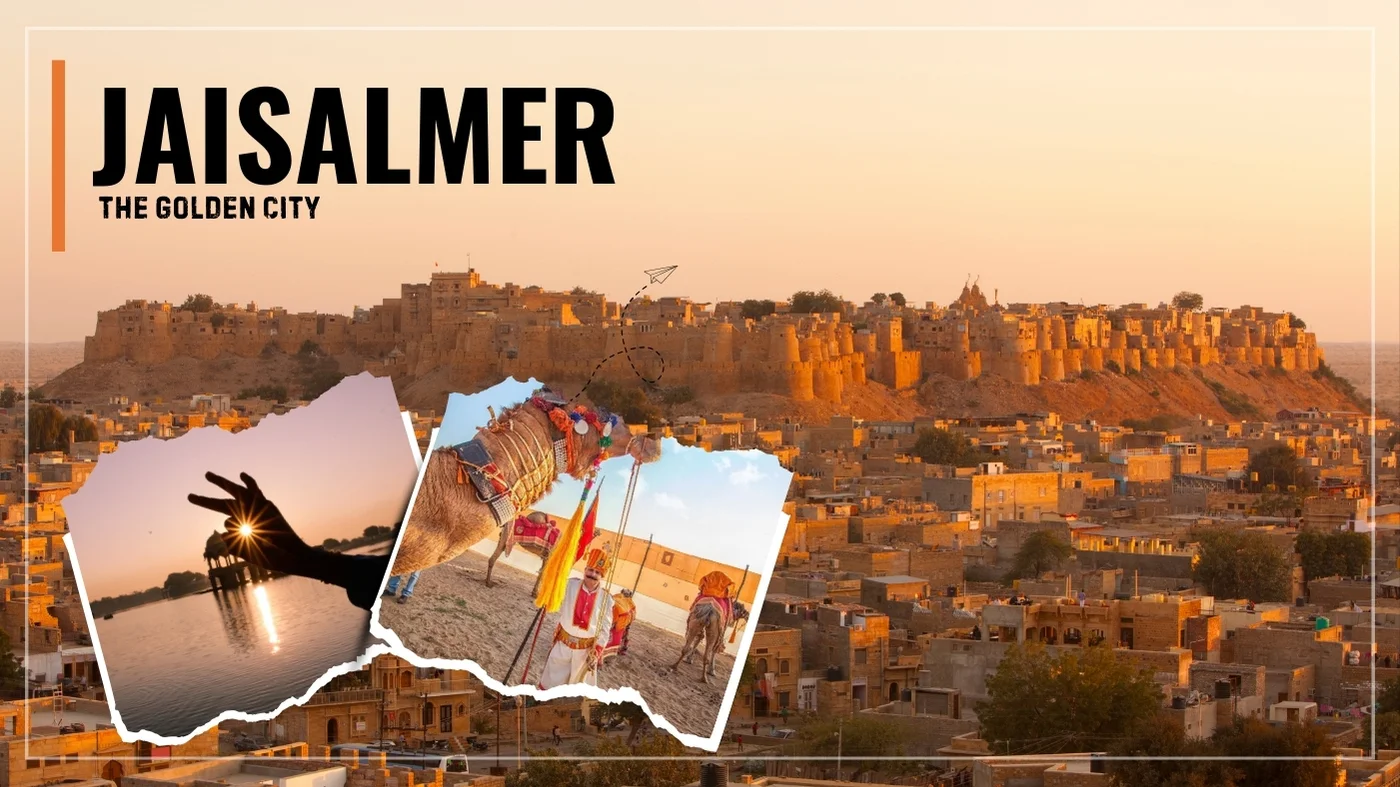
Jaisalmer is a land defined by its golden sands and regal history, yet among its most intriguing attractions is a place where time seems to have frozen in a state of eerie silence. For travelers planning a stay at a camp in jaisalmer, a visit to Kuldhara Village is often at the top of the itinerary. Known as the “Ghost Village of Rajasthan,” Kuldhara offers a stark, haunting contrast to the vibrant folk music and bustling markets of the main city. Walking through its abandoned streets provides a deep dive into the local lore and the architectural brilliance of a bygone era.
The Legend of the Sudden Exodus
The story of Kuldhara is as captivating as the ruins themselves. Established in the 13th century, it was once a prosperous settlement inhabited by Paliwal Brahmins. These were skilled agriculturalists and traders who turned the arid landscape into a thriving community. However, the fate of the village changed forever one night in the early 19th century. According to local legend, the tyrannical prime minister of Jaisalmer, Salim Singh, set his sights on the beautiful daughter of the village chief. He threatened the villagers with dire consequences if they did not hand her over.
Driven by honor and the need to protect their community, the residents of Kuldhara and 83 neighboring villages decided to flee. They didn’t just leave; they vanished overnight. It is said that before departing, they cast a curse on the land, decreeing that no one would ever be able to settle there again. To this day, the village remains uninhabited, and those who attempt to stay after sunset often report a heavy, unsettling atmosphere that lingers among the crumbling sandstone walls.
Architectural Echoes of the Past
Despite its reputation as a haunted site, Kuldhara is a marvel of medieval Rajasthani urban planning. As you wander through the ruins, you can still see the skeletal remains of well-planned streets, communal temples, and homes designed to withstand the desert heat. The Paliwal Brahmins were pioneers in rainwater harvesting and sustainable living, and their influence is visible in the way the village was structured.
Many visitors find that a Jaisalmer sightseeing tour is incomplete without spending a few hours here to photograph the intricate carvings that still survive on some of the pillars. The government has taken steps to preserve the site, restoring a few houses and the central temple to give tourists a glimpse into what life looked like centuries ago. The symmetry of the ruins against the vast, open sky creates a poignant atmosphere that appeals to history buffs and mystery seekers alike.
The Paranormal Mystery
Is Kuldhara truly haunted? The answer depends on who you ask. Skeptics point to the harsh environmental conditions and the lack of water as the reasons the village was never resettled. However, paranormal investigators who have visited the site often claim to have experienced strange phenomena. From sudden drops in temperature to the sound of unexplained footsteps and distant whispers, the accounts are numerous.
The Rajasthan Tourism Development Corporation manages the site, and while it is open to the public during the day, the gates are closed at night. The heavy silence of the desert, combined with the skeletal remains of hundreds of homes, creates a sensory experience that feels “charged.” Whether you believe in ghosts or not, the sheer weight of the history here is enough to give anyone goosebumps. It is a place where the line between historical fact and local folklore becomes beautifully blurred.
Enhancing Your Desert Experience
While Kuldhara provides a dose of mystery, the surrounding Thar Desert offers plenty of opportunities for thrill-seekers. Beyond the ghost stories, many travelers look for adventure activities in jaisalmer to round out their trip. From dune bashing in 4×4 vehicles to the traditional camel treks that take you deep into the dunes, the desert is alive with energy. Kuldhara serves as a perfect afternoon stop before heading further into the dunes for a sunset experience.
Pairing a visit to this haunted village with a night under the stars creates a balanced perspective of Jaisalmer—one part mystery and one part luxury. After exploring the dusty lanes of Kuldhara, returning to the comfort of a desert camp allows you to reflect on the legends while enjoying traditional Rajasthani hospitality.
Tips for Visiting Kuldhara
If you are planning a visit, it is best to go during the cooler months between October and March. The desert sun can be unforgiving, and since Kuldhara is an open-air site, there is little shade. It is advisable to carry water and wear comfortable walking shoes as the terrain is uneven. Most importantly, respect the local customs and the sanctity of the ruins. While the village is a popular tourist spot, it is also a site of great historical significance and a testament to a community’s sacrifice for their dignity.
Kuldhara remains one of the most evocative locations in India. It isn’t just about the “ghosts” that might haunt its streets, but the memory of a people who once called this harsh landscape home. As you stand in the center of the village and look out over the horizon, you can almost feel the presence of the thousands who left their homes behind, leaving only the wind and the sand to guard their secrets. For anyone staying at Rajwada Desert Camp, this excursion is a must-visit to truly understand the soul of the Thar.