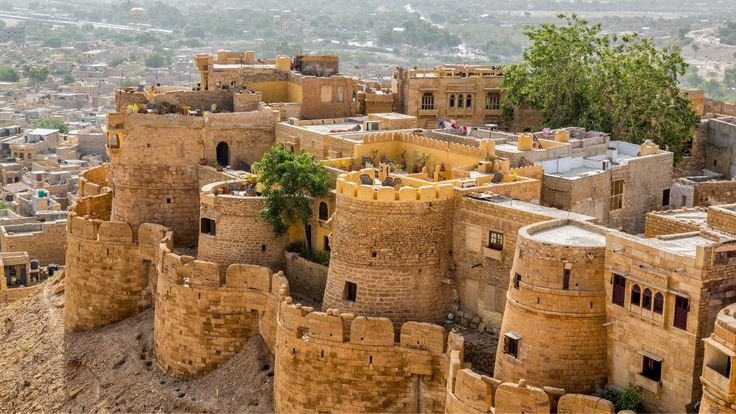
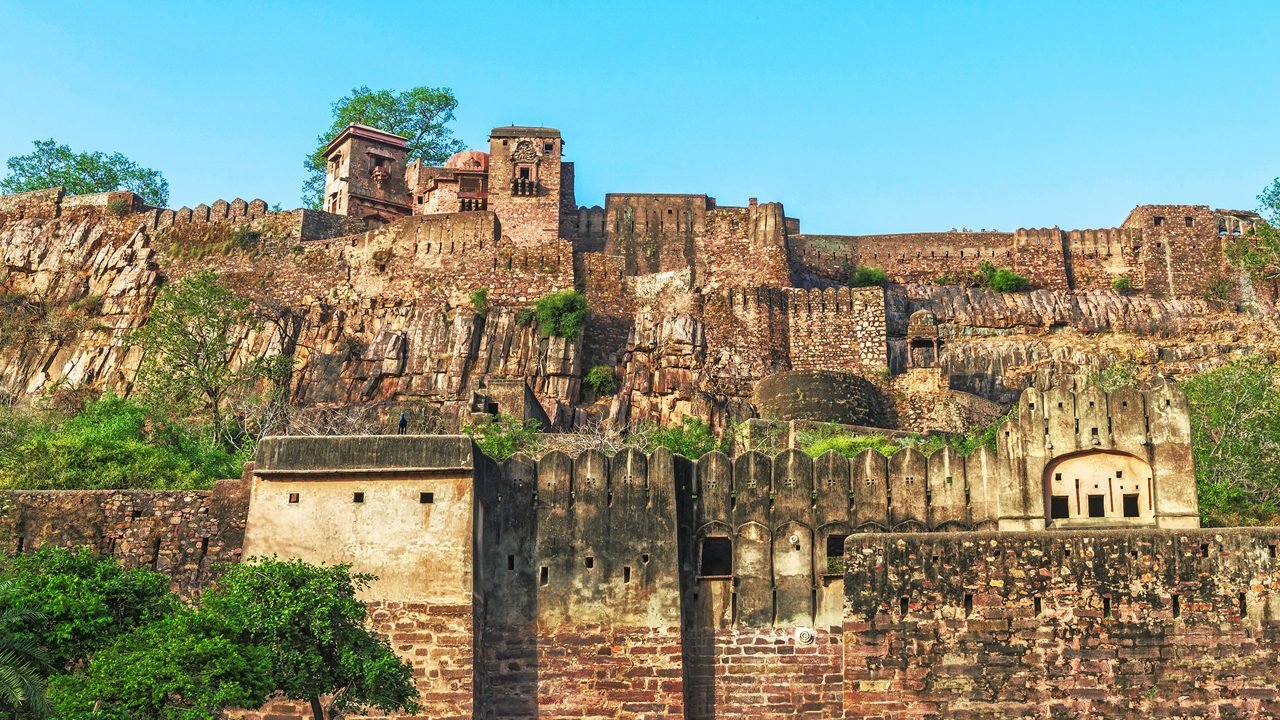
The Ranthambore Fort stands as a silent sentinel in the heart of Rajasthan, offering a profound glimpse into a bygone era of valor and strategic genius. Often cited as the best resort in Ranthambore surroundings for travelers seeking historical depth, this UNESCO World Heritage site is far more than just a cluster of ancient stone ruins. Perched atop a 700-foot-high hill, it provides a panoramic perspective of the sprawling wilderness below, where the legendary Bengal tigers roam.
A Legacy Carved in Stone
Constructed in the 10th century by the Chauhan dynasty, the fort served as a formidable military stronghold. Its strategic position was meticulously chosen to provide a natural defense against invading armies. Throughout the medieval period, the fort changed hands between various dynasties, including the Delhi Sultanate and the Mughals, each leaving a distinct architectural fingerprint on its walls. The blend of Rajput and Mughal styles creates a unique visual narrative, telling tales of empires that once vied for control over this rugged landscape.
Architectural Wonders and Defenses
The fort’s engineering remains a subject of fascination for historians and architects alike. The structure is fortified by seven massive gates, or “pols,” each designed to disorient attackers. These gates, such as the Hathi Pol and the Ganesh Pol, feature intricate stonework and defensive nails once intended to prevent war elephants from breaching the entrances. Beyond the gates, the complex houses a variety of ruins, including the Hammir Court—known for its remarkable acoustics—and the Bada Mahal, which rises like a phantom above the canopy. Visitors planning an immersive trip should consider a Ranthambore 2N 3D Couple Package to ensure enough time to explore these sprawling ruins at a leisurely pace.
Spiritual Significance Inside the Fort
One of the most revered spots within the fortification is the Trinetra Ganesh Temple. This shrine is not merely a place of worship but a cultural cornerstone. It is widely believed that Lord Ganesha grants his blessings for new beginnings here, leading devotees from across India to send formal wedding invitations to the temple via post. The spiritual energy of the temple, combined with the haunting beauty of ancient stone water tanks like the Gupt Ganga, creates an atmosphere where history and faith coalesce seamlessly.
Biodiversity and Wilderness Harmony
The fact that this ancient monument resides within the boundaries of a tiger reserve is what truly distinguishes it. It is one of the few places on earth where architectural heritage and untamed nature exist in such close proximity. While wandering the pathways, guests often spot langurs, various deer species, and, if fortune favors, the elusive tiger or leopard. This harmonious coexistence makes the fort a premier destination for wildlife enthusiasts who also possess a passion for archaeology.
Planning Your Exploration
To truly appreciate the scale of the fort, arriving early is highly recommended. The soft morning light highlights the amber-hued sandstone, providing perfect conditions for photography. As you trek through the ruins, notice the remnants of ancient palaces and the ingenious water management systems that allowed inhabitants to survive in the arid terrain. Ensuring you have a knowledgeable guide can enrich the experience by revealing the legends of Jauhar and the valiant history of King Hammir Dev Chauhan, which remain etched in the local folklore. Whether you are an avid history buff or simply seeking a unique adventure in the wild, the fort remains an unmissable highlight of any visit to the region.