Finding the perfect window for a wilderness expedition makes all the difference when you are tracking India’s most elusive big cats. Nestled amidst the majestic, ancient granite hills of Rajasthan, the rugged terrain around the Jawai Dam offers a truly extraordinary landscape where wilderness and pastoral life coexist seamlessly. Setting up your base camp at a premier luxury resort in jawai ensures you are perfectly positioned to access the raw, untouched beauty of this unique ecosystem. However, maximizing your chances of witnessing these majestic predators requires a clear understanding of how seasonal shifts influence local animal behavior.
Unlike dense, impenetrable national parks where wildlife remains hidden behind thick foliage, the unique topographical features here make tracking highly efficient throughout the year. Even so, distinct seasons offer completely different advantages for wildlife photographers, birdwatchers, and safari enthusiasts.
Winter: The Peak Season for Ultimate Sightings (October to March)
The months from October to March are universally recognized as the prime window for planning your adventure. As the harsh monsoon rains retreat, the daytime climate transitions into a highly pleasant and crisp atmosphere, with temperatures averaging between 10°C and 25°C. These cool, comfortable conditions drastically alter the movement patterns of the apex predators inhabiting the craggy hills.
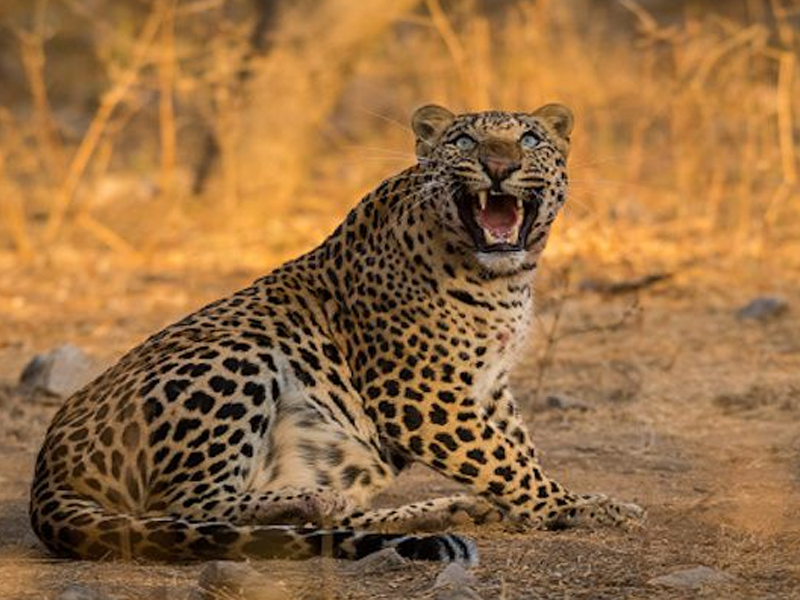
Because leopards are inherently crepuscular creatures—meaning they display peak activity during the twilight hours of dawn and dusk—the chilly winter mornings force them out onto the open, sun-warmed granite boulders. This is the absolute best time to book a specialized leapard safari in Jawai to capture clear, unobstructed photographs of mother leopards lounging with their cubs on the rock ledges.
Beyond the spectacular big cat sightings, winter completely transforms the backwaters of the local reservoir. Over 200 species of migratory birds, including elegant demoiselle cranes, flamingos, and pelicans, arrive from distant regions to settle along the shores. Concurrently, massive mugger crocodiles emerge from the deeper waters to spend their afternoons sunning themselves extensively on the muddy riverbanks, creating a multi-layered wildlife viewing experience.
Summer and Pre-Monsoon: High Visibility for Dedicated Trackers (April to June)
As April progresses into May and June, temperatures climb significantly, frequently hovering between 35°C and 45°C. While the midday heat can be challenging, this period remains highly favored by serious wildlife documentary filmmakers and seasoned photographers due to predictable animal behavior.
The intense dry heat completely thins out the scrub vegetation across the valley, reducing the natural camouflage available to forest dwellers. Water sources shrink rapidly, forcing prey animals like nilgai (blue bull), chital deer, and wild boars to consolidate around the remaining pools of the dam.
Consequently, the apex predators must venture down from their elevated cave hideouts far more frequently to hunt and drink. If you choose to brave the summer elements, scheduling early morning or late evening drives guarantees incredible action shots, as predators actively shadow their prey near the receding shorelines.
Monsoon: A Lush, Rejuvenated Wilderness (July to September)
When the monsoon rains finally arrive, they breathe fresh life into the dry terrain, turning the entire landscape into a vibrant, emerald-green paradise. This period attracts off-the-beaten-path travelers who prefer solitude and dramatic landscape photography over typical tracking pursuits.
During the wet months, the local wildlife behavior shifts inward. The big cats tend to retreat deeper into the security of the higher, less accessible cave networks to seek shelter from the rains, which temporarily lowers the sighting frequency.
Nevertheless, the monsoon season provides unparalleled opportunities to spot other elusive nocturnal and cave-dwelling species like Indian striped hyenas, sloth bears, and Indian wolves venturing out into the open. The local breeding bird populations also expand significantly, making it an idyllic period for macro-photography and avian tracking amidst the misty, atmospheric granite formations.
Maximizing Your Wilderness Experience
Planning your excursions efficiently involves pairing your outdoor drives with proper physical restoration. Returning to a premium Resort with Swimming Pool in Jawai after a dusty morning track allows you to unwind and cool down under the clear sky.
To get the most out of your journey, always collaborate with certified local trackers who possess generations of tracking knowledge. Their innate understanding of alarm calls, footprint identification, and regional territory lines guarantees a safe, deeply educational, and successful encounter with the spectacular wildlife of Rajasthan.