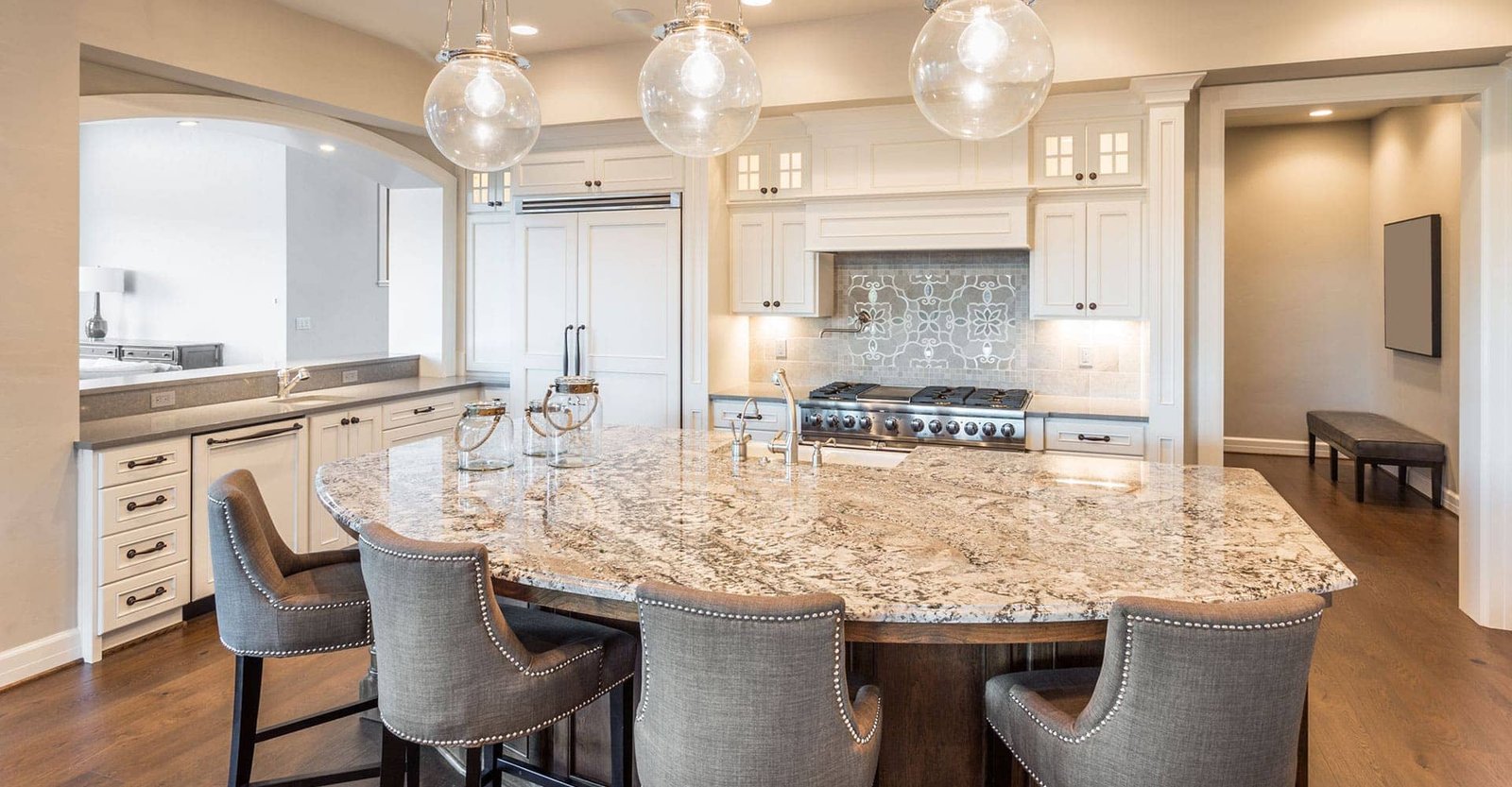
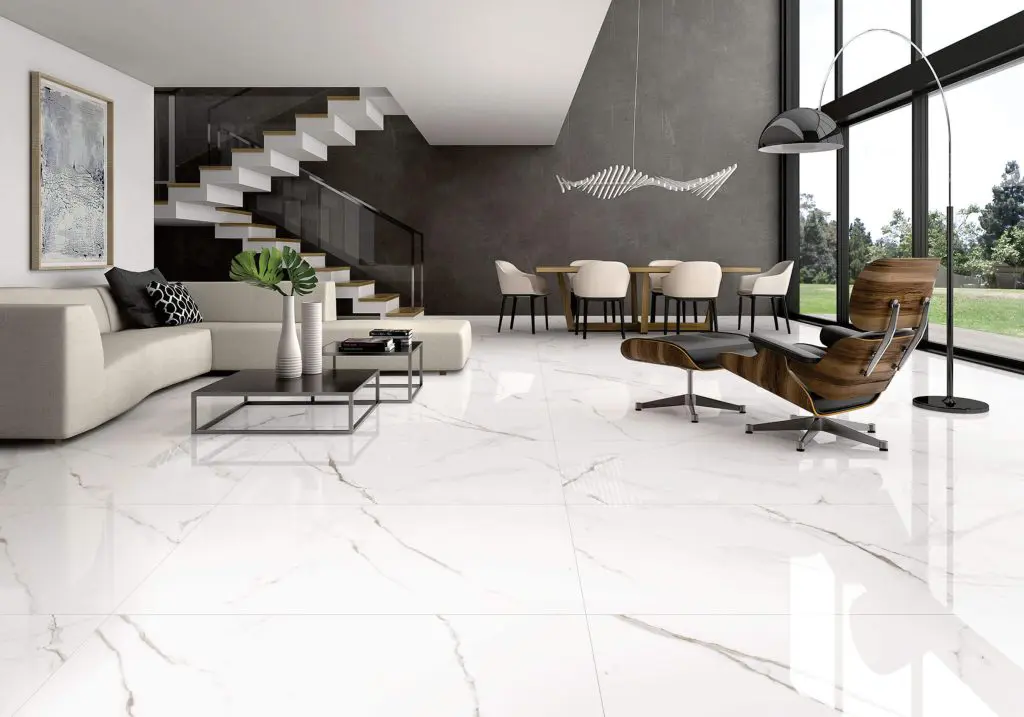
When you admire the smooth, flawless surface of a modern kitchen island, it is easy to forget that this elegant feature began its journey deep within the earth as rugged, irregular mineral deposits. The journey from a raw, jagged crystalline formation to a polished architectural masterpiece is a fascinating blend of natural geology, heavy industrial engineering, and precise craftsmanship. For decades, the global stone industry has relied on specific hubs of excellence to source, process, and refine these materials. Achieving the flawless finish demanded by contemporary interior design requires an intricate, multi-stage natural stone process in india that balances massive mechanical force with microscopic precision.
The Raw Material: Sourcing Premium Quartz Crystals
Unlike traditional slabs quarried directly as solid rock, engineered quartz surfaces are manufactured composites that leverage the extreme hardness of natural quartz while eliminating the inherent structural flaws of natural slabs. The process begins with the careful extraction of high-purity silica quartz. Raw quartz is one of the hardest minerals on Earth, rating a 7 on the Mohs hardness scale.
Industrial teams inspect the raw crystals for color consistency, purity, and structural integrity. Once cleared, these massive fragments undergo primary crushing. Huge industrial crushers break the stones into various grit sizes, ranging from fine, sand-like dust to coarser, pebble-sized aggregates. The specific blend of these particle sizes determines the final aesthetic of the slab—fine particles create a smooth, solid, monochromatic look, while larger fragments yield a dramatic, speckled, or veined pattern.
The Art of Blending: Formulating the Slabs
Once the raw quartz is sorted by size and aggregate type, it enters the blending phase. This is where engineering meets artistry. The raw crushed quartz accounts for roughly 90% to 93% of the final product’s weight, ensuring the surface retains the cool, substantial feel of authentic earth minerals. The remaining percentage consists of high-quality polymer resins, binding agents, and specialized color pigments.
Industrial mixers blend these components into a uniform, damp mixture. During this stage, master blenders introduce color pigments to mimic the intricate veining of rare stones or to create entirely unique, modern color palettes. As a premier global marble supplier in india, engineering these color profiles requires a deep understanding of international design trends, ensuring the manufactured slabs seamlessly complement premium natural stone installations worldwide.
Compaction and Vacuum Vibro-Compression
The uniform mixture is transferred into large, slab-sized molds. At this stage, the material resembles a thick, gritty paste. To transform this loose mixture into an incredibly dense, non-porous solid, the mold enters a massive industrial press that utilizes vacuum vibro-compression technology.
- Vacuum Extraction: A powerful vacuum chamber seals the mold and completely extracts all trapped air pockets. Removing air is critical to preventing internal structural weaknesses and ensuring the surface remains completely non-porous.
- High-Pressure Compaction: Simultaneously, the machine applies massive pressure—often exceeding 100 tons—while vibrating the mold at high frequencies.
- Dense Fusion: This intense combination forces the quartz aggregates to lock together tightly, filling every microscopic void with the resin binder.
Curing: Setting the Stone
After compaction, the tightly packed slabs move into a specialized curing kiln. The application of controlled thermal energy triggers a chemical reaction within the polymer resins, causing them to cross-link and permanently harden.
The slabs are heated to specific, regulated temperatures for a set duration, ensuring the binding agents cure uniformly from the core to the outer edges. This thermal process permanently locks the quartz crystals into a rigid, incredibly durable matrix. Once the curing cycle is complete, the slabs are systematically cooled to room temperature to prevent any internal thermal stress or warping.
Calibrating and Polishing the Final Surface
When the cured slabs exit the cooling zone, they are structurally solid but visually unrefined. The surfaces are dull, slightly uneven, and rough to the touch. The final phase requires a sequence of heavy-duty calibration and polishing lines.
First, massive diamond-tipped grinding heads level the slab to an exact, uniform thickness across its entire length. Once calibrated, the slab moves through a series of progressively finer polishing heads. The initial heads use coarse abrasives to smooth out minor imperfections, while the final heads utilize ultra-fine polishing compounds to bring out a brilliant, mirror-like gloss. For international trade, working with an experienced granite exporter in india ensures that these final finishing stages meet strict international dimensional tolerances and reflection metrics required for luxury commercial and residential applications.
Quality Control and Final Inspection
The final stage of the manufacturing process is a rigorous quality assurance check. Every polished quartz slab undergoes comprehensive inspection under high-intensity lighting systems. Highly trained technicians visually examine the surface for color consistency, uniform pigment distribution, and the absence of micro-fissures, pits, or resin pools.
The slabs are also checked for perfect flatness and dimensional accuracy. Because the compaction process eliminates all internal pores, the finished quartz countertops are exceptionally hygienic, stain-resistant, and scratch-resistant, requiring no external sealants. Once verified, the sleek, durable slabs are carefully packed into secure wooden crates, ready to be shipped across the globe to transform residential kitchens and high-end commercial spaces into functional works of art.