Visiting Ranthambore during the monsoon season offers a rare, dramatic perspective on one of India’s most famous tiger landscapes. Far from being an off-season downtime, the rainy months turn the dry, rugged Aravalli and Vindhya hills into a lush, vibrant green landscape. However, navigating the reserve during this time requires careful planning, as park rules, weather dynamics, and trail access shift significantly between July and September.
As an operational wilderness retreat situated right on the edge of the park boundary, our team observes these seasonal changes firsthand every year. The rains breathe new life into the forest, making it an extraordinary season for photography, birdwatching, and enjoying the tranquility of nature. Understanding how monsoon weather affects safari access, wildlife behavior, and overall travel logistics ensures a smooth, highly rewarding trip.
Understanding Ranthambore Monsoon Weather
The monsoon arrival across Sawai Madhopur brings relief from the intense summer heat, lowering average temperatures to a comfortable range of 25°C to 34°C. The atmosphere shifts from dry and dusty to humid and fresh, marked by periodic rainfall that rejuvenates depleted water bodies and fills natural streams throughout the region.
- July: Heavy rain showers usually start in July, reviving vegetation and lowering temperatures after the extreme summer heat.
- August: Peak rainfall occurs in August, making the forest dense, green, and lush. Waterfalls and streams around the historic Ranthambore Fort become active.
- September: Rainfall slows down, leaving moderate weather, clear skies, and a vibrant landscape just before the main park opening in October.
Park Zones Open During Monsoon
A common misconception is that the entire national park shuts down during the rainy season. While the core areas close for tiger breeding and road safety, designated buffer zones remain accessible to travelers year-round.
Core Zones (1 to 5) – Closed
Zones 1 through 5 constitute the core forest area and remain closed from July 1st to September 30th. Closing these sections protects internal dirt tracks from heavy soil erosion and gives wildlife undisturbed space during their natural breeding cycles.
Buffer Zones (6 to 10) – Open
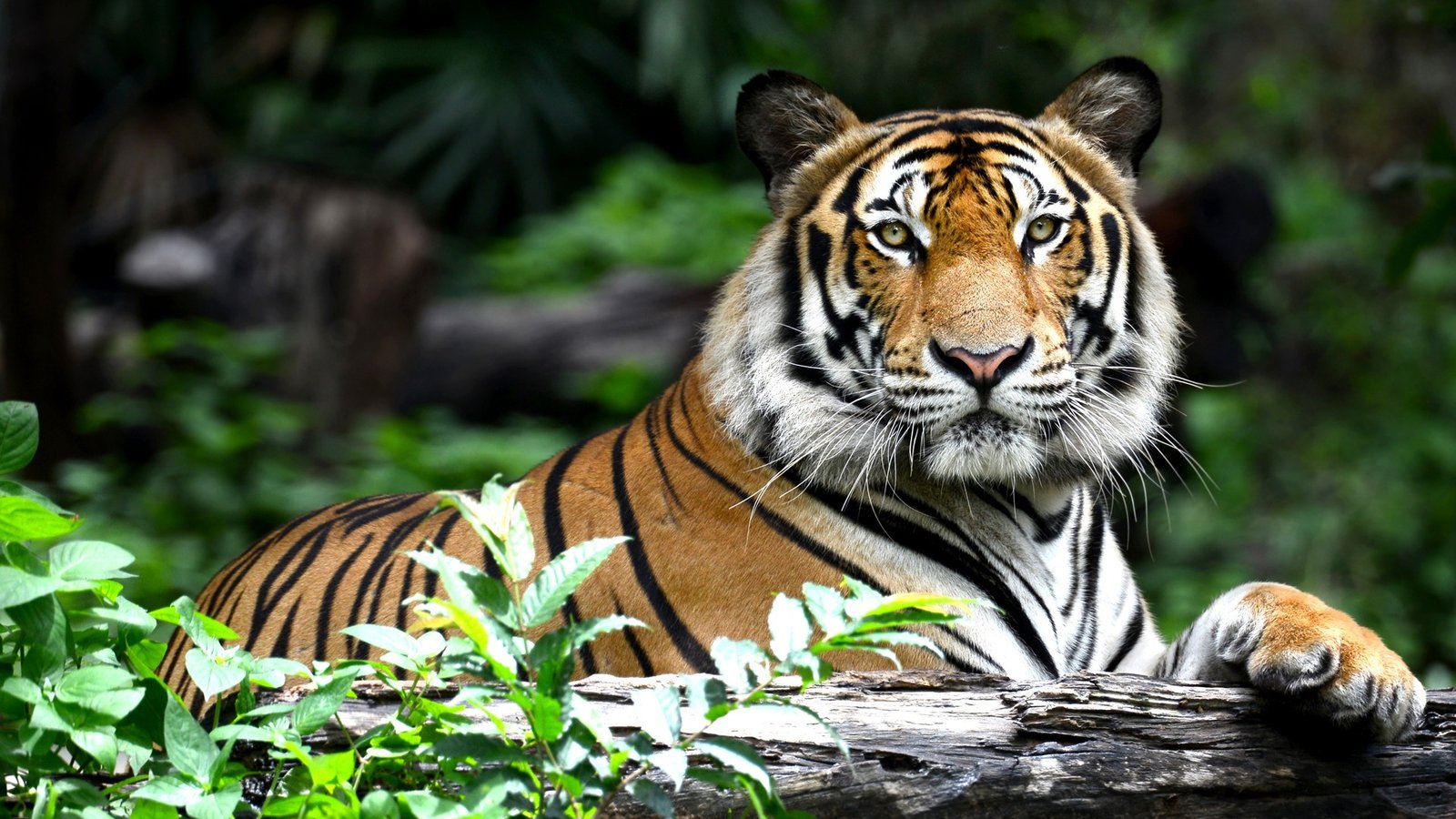
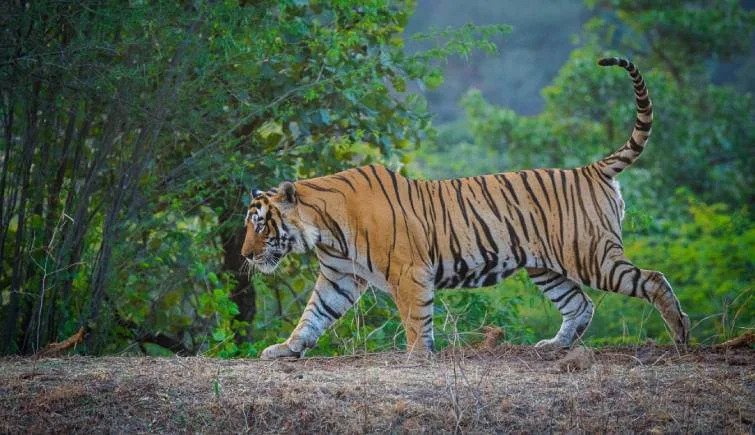
Zones 6, 7, 8, 9, and 10 stay open to visitors throughout the monsoon months. These buffer sections feature hilly terrain, natural streams, and scenic vistas. Animals move freely between core and buffer areas, making sightings of tigers, leopards, sloth bears, and hyenas possible. Selecting a well-planned Ranthambore tour package ensures seamless vehicle bookings, transport, and expert guide arrangements for these open buffer sectors.
Wildlife Movement and Sightings in Ranthambore Monsoons
Wildlife behavior in the monsoon is noticeably different from the dry summer season. Because water becomes available everywhere across the forest, animals no longer gather exclusively around main lakes. Thick foliage also offers natural cover, requiring patience and keen observation.
- Big Game Tracking: Tigers and leopards often use elevated rocky ridges and paved forest tracks to stay dry and move easily through wet vegetation.
- Birdlife Activity: Monsoon is a fantastic period for birdwatching. Resident species display vibrant breeding plumage, and forest streams attract kingfishers, eagles, storks, and owls.
- Herbivore Sightings: Spotted deer, sambar, nilgai, and wild boars roam freely, enjoying fresh grass, tender shoots, and filled water holes.
Essential Travel Tips for Your Monsoon Trip
A monsoon trip requires practical preparation to handle sudden rain showers, track conditions, and high humidity.
- Book Safaris Early: Open vehicles in Zones 6–10 are limited during monsoon months. Reserving your jungle safari in Ranthambore ahead of time secures official government permits and guarantees preferred time slots.
- Pack Waterproof Gear: Carry rain ponchos, quick-dry synthetic clothing, waterproof covers for camera bags, and sturdy anti-slip footwear for wet terrain.
- Protect Electronics: Moisture levels are high. Seal cameras, lenses, and smartphones in dry bags or ziplock pouches when driving through open forest routes.
- Flexible Itinerary: Heavy rain can briefly delay vehicle entry or slow down trail transit. Keeping your schedule slightly flexible ensures a relaxed experience.
Choosing Your Base: Comfort and Wilderness
After exploring rain-drenched trails, returning to a comfortable, secure base makes all the difference. Staying at a premier luxury resort in Ranthambore gives you warm hospitality, air-conditioned rooms, hot showers, and authentic Rajasthani dining after outdoor drives. Our spacious gardens and proximity to the park boundary let you enjoy the serene monsoon atmosphere comfortably.
The monsoon season shows Ranthambore at its freshest and most peaceful. With smaller crowds, emerald-green landscapes, and open buffer zones, it offers a distinct wilderness adventure for nature lovers and photographers alike.