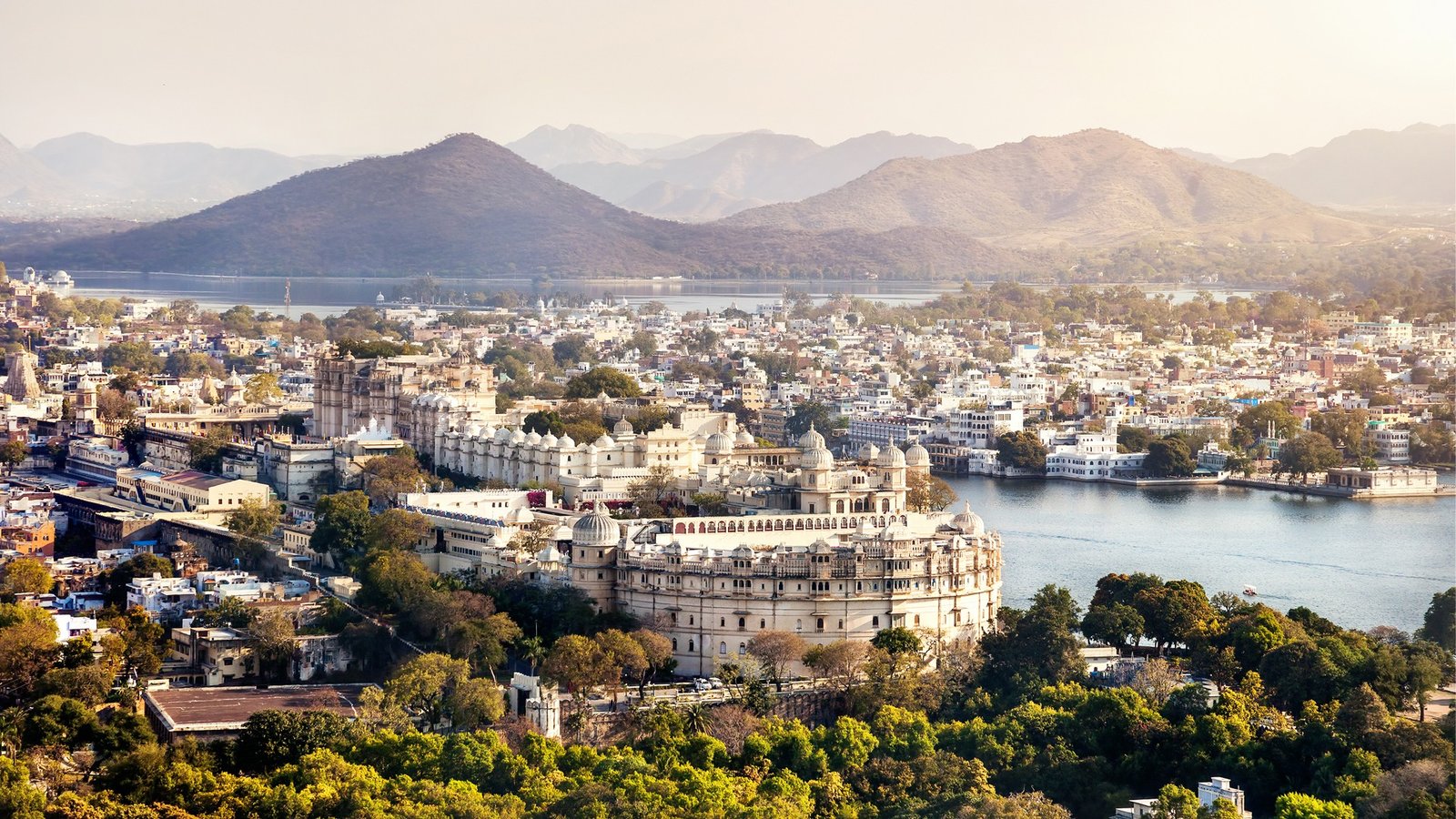
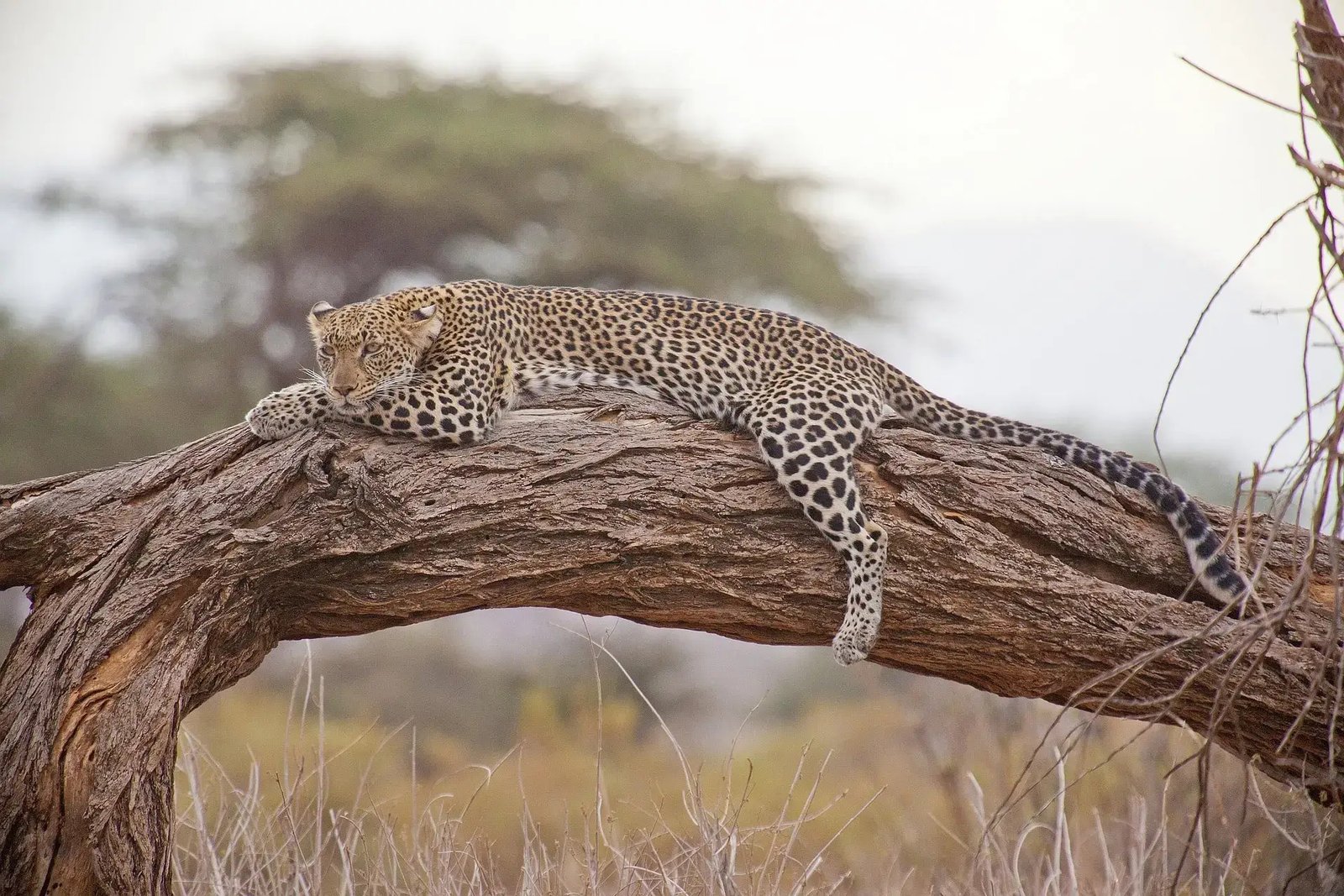
Tucked away in the rugged Pali district of Rajasthan, Jawai offers one of the most captivating natural sanctuaries in India. Unlike conventional tiger reserves enclosed by dense jungles and rigid boundaries, Jawai is a vast wilderness defined by dramatic granite rock formations, open scrublands, and the peaceful backwaters of Jawai Dam. Here, free-roaming wild leopards live in remarkable proximity to rural shepherd settlements. To experience this pristine landscape with comfort and authenticity, travelers often stay at a luxury resort in Jawai that respects local ecology while delivering high-end hospitality. Designing an ideal trip requires combining thrilling big cat tracking with immersive cultural exchanges alongside the region’s indigenous caretakers.
The Harmony Between the Rabari Tribe and Wild Leopards
The defining essence of Jawai lies in its centuries-old narrative of human-animal coexistence. For generations, the nomadic Rabari tribe has shared these ancient granite hills with wild predators. Instantly recognizable by their striking scarlet turbans, white garments, and silver jewelry, the Rabaris are pastoral herders whose daily routines revolve around livestock.
Unlike regions where wildlife presence triggers conflict, the Rabari people regard leopards as divine guardians of their hills and sacred deities. If a leopard preys on a domestic goat or sheep, the herders accept the loss with spiritual acceptance rather than hostility. Local naturalists and community guides lead village walks that offer guests direct insight into this sustainable bond. Strolling through serene hamlets of clean mud courtyards, watching herders tend Sirohi goats, and enjoying traditional spiced tea provides a meaningful perspective on living in balance with nature.
Tracking the Ghosts of the Granite Hills
A private open-jeep drive across the rocky terrain forms the centerpiece of any visit. Jawai holds one of the highest densities of leopards in India, offering exceptionally reliable sightings throughout the year. Because the cats inhabit natural caves atop massive granite boulders, spotting them relies on skilled trackers who read subtle environmental signals.
Reserving a structured leopard safari in Jawai elevates the journey from a standard wildlife drive to an educational field experience. Expert naturalists navigate 4×4 Gypsies over off-road terrain, positioning vehicles to capture golden-hour light against granite cliffs while maintaining an ethical distance from the animals.
Biodiversity Around the Reservoir
While leopards draw primary attention, the surrounding landscape supports diverse wildlife:
- Apex Predators & Scavengers: Track elusive striped hyenas, jungle cats, jackals, and foxes near boulder bases.
- Aquatic Habitat: The expansive waters of Jawai Dam shelter large mugger crocodiles basking along sandy banks.
- Birdwatching Paradise: During winter months, thousands of migratory birds—such as flamingos, demoiselle cranes, pelicans, and bar-headed geese—congregate near the reservoir.
Wilderness Living with Contemporary Comfort
After invigorating morning and evening excursions across the granite wilderness, returning to a comfortable retreat enhances the overall stay. At The Jawai Sagar, guests enjoy refined amenities while remaining connected to nature. Choosing a spacious Jungle view room in Jawai offers private balconies and expansive windows that reveal gardens, boulder hills, and quiet dam waters.
Resort amenities enrich the safari schedule:
- Regional Dining: Savor authentic Rajasthani dishes prepared using local farm ingredients and traditional cooking methods.
- Sunset High Tea: Relax at scenic hill vantage points or near the water’s edge as golden light sets over the granite landscape.
- Stargazing Evenings: Experience clear rural skies perfect for observing constellations around evening campfires.
Practical Planning Tips
To build a seamless itinerary, keep these travel considerations in mind:
- Best Season: October through March brings mild temperatures, ideal for safari drives and migratory birdwatching. The summer months of April to June bring warmer weather but heightened leopard movement near shrinking water sources.
- Trip Duration: A stay of 2 to 3 nights allows time for 3 to 4 safari drives, a village cultural tour, and relaxed birdwatching by the dam.
- Packing Essentials: Bring neutral-colored clothing, sun protection, light layers for early mornings, comfortable footwear, and a zoom lens (200–500mm) for clear wildlife photography.
- Ethical Conduct: Follow guide directions, keep noise levels low, avoid bright flash photography, and respect village privacy during community walks.
By blending rugged open-jeep tracking with authentic cultural interactions, a visit to Jawai provides an unforgettable journey into wildlife conservation and living heritage.