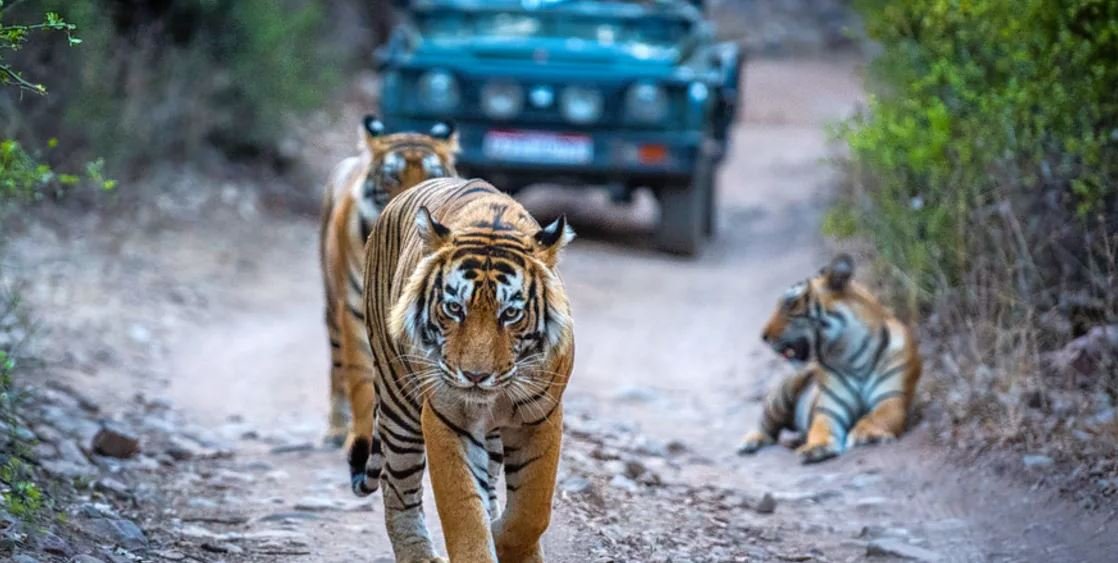
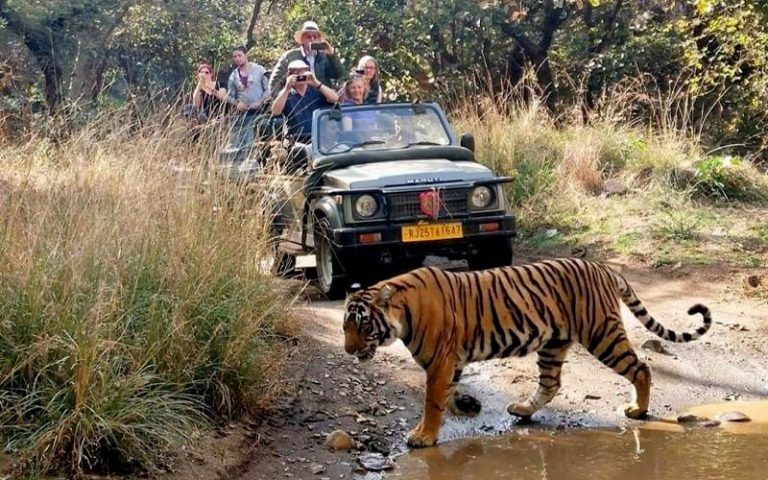
Planning an escape from the urban sprawl of the National Capital Region into the raw, historic wilderness of Rajasthan requires thoughtful preparation. Ranthambore National Park remains one of northern India’s premier tiger reserves, blending rich royal heritage with dense deciduous forests. Whether you are tracking the Royal Bengal Tiger or exploring ancient ruins nestled inside the reserve, this comprehensive guide provides seasoned travel advice to ensure an efficient, rewarding wildlife holiday.
Planning Your Journey from the Capital
Reaching Sawai Madhopur, the gateway town to the national park, is convenient thanks to well-connected road and rail networks from New Delhi. Choosing the right transit mode sets the tone for your entire wildlife excursion.
- Rail Connectivity: The most time-efficient method is via express rail. Premium daily options like the August Kranti Tejas Rajdhani Express, Kota Jan Shatabdi, and Golden Temple Mail depart from New Delhi (NDLS) or Hazrat Nizamuddin (NZM) stations, reaching Sawai Madhopur Junction in approximately 3.5 to 5 hours. Booking train seats well ahead of time via IRCTC is critical during peak wildlife months.
- Road Trips: If you prefer driving, the Delhi–Mumbai Expressway provides a fast, smooth corridor that connects the capital directly toward Rajasthan, reducing highway journey times to roughly 6 to 7 hours. Setting out early in the morning prevents congestion around the NCR border points and allows you to reach the park before the afternoon safari gates shut. For a seamless, well-curated travel itinerary that handles transport, lodging, and permit formalities from start to finish, book a delhi to ranthambore tour to maximize your field time in the forest.
Understanding Safari Zones and Vehicle Options
The forest department divides Ranthambore into ten designated safari zones to regulate tourist density and safeguard wildlife habitats.
- Core vs. Buffer Zones: Zones 1 through 5 represent the historic core areas, celebrated for scenic lakes like Padam Talao, Raj Bagh, and Malik Talao, as well as classic backdrops featuring the ancient Ranthambore Fort. Zones 6 through 10 constitute the adjacent scenic buffer belts, which offer rugged hilly terrain and regular sightings of resident big cats, leopards, and sloth bears.
- Gypsy vs. Canter: Safaris operate using two vehicle types: 6-seater open-top 4×4 Maruti Gypsies and 20-seater Canters. Gypsies offer greater agility along narrow ravines, lower viewing angles for wildlife photographers, and a quiet engine profile. Canters present a cost-effective choice for larger travel groups, providing higher elevated views across dense undergrowth.
Best Wildlife Viewing Seasons and Timing
The national park generally welcomes visitors from October through June, closing its core zones during the monsoon season between July and September.
- Winter (October to March): Mild weather and cool mornings make this period the most popular among general tourists, requiring multi-layered apparel for early morning forest drives.
- Summer (April to June): Temperatures often exceed 40°C, causing deciduous leaves to shed and water bodies to recede. While physically demanding, summer safaris offer superior visibility as predators frequent water holes, providing exceptional wildlife tracking opportunities.
Essential Wildlife Etiquette and Field Tips
To ensure both personal safety and animal welfare, field compliance with state forest regulations is mandatory:
- Book safari permits at least 60 to 90 days in advance via the official forest portal, because slots fill up rapidly across peak periods.
- Carry the exact original government identification document that was used during your permit reservation; gate rangers cross-verify credentials before granting entrance.
- Dress in muted earth tones such as khaki, olive green, beige, or dull brown to blend into the dry jungle surroundings. Avoid bright attire, strong perfumes, and sudden movements.
- Listen carefully to your forest guide and driver. Animal alarm calls from spotted deer, sambar, and langurs are authentic indicators of predator movement, requiring patience and silence rather than frantic vehicle repositioning.
Selecting the Right Wilderness Base
After dust-filled trail drives, retreating to a peaceful wilderness sanctuary with wholesome dining and comfortable amenities transforms your journey. Selecting the best resort in Ranthambore ensures swift access to park entry gates alongside plush accommodation, attentive hospitality, and relaxing open-air garden settings. A properly situated base situated along Ranthambore Road minimizes transfer times to safari departure points, giving you more time to recharge between morning and evening forest safaris.