Planning a journey into the heart of the Thar Desert requires attention to seasonal climate shifts, logistical coordination, and culturally authentic accommodations. The Sam Sand Dunes, situated approximately forty kilometers west of Jaisalmer, represent one of the most accessible expanses of shifting desert sands in northwestern India. To ensure your desert retreat delivers optimal comfort, cultural immersion, and adventurous exploration, this comprehensive guide outlines the operational considerations, seasonal timings, and structural itineraries necessary for an unforgettable desert journey.
Best Season and Ideal Timing for a Thar Desert Visit
The desert environment undergoes dramatic climatological variations between seasons. The most favorable window for visiting Sam Sand Dunes spans from mid-October through March, when daytime temperatures remain moderate and nighttime breezes cool the landscape significantly.
During the winter months of December and January, daytime temperatures average around twenty-four degrees Celsius, creating ideal parameters for open-air explorations, while nighttime temperatures can dip close to five degrees Celsius. Visitors traveling during these peak winter weeks must pack thermal layers and wind-resistant outer clothing. Conversely, the summer months bring extreme heat with temperatures frequently surpassing forty-two degrees Celsius, leading to seasonal suspensions of outdoor activities. For travelers seeking a balance between comfortable weather and moderate crowd density, November and February present the sweet spot.
Navigating Logistics: Reaching the Golden City and the Dunes
Executing a smooth desert trip starts with arrival planning into Jaisalmer. The city connects via domestic flights during peak seasons, direct express trains from major transit hubs such as Delhi and Jaipur, and smooth national highways.
Once in the city, the transit to Sam Sand Dunes takes roughly forty-five minutes via the well-maintained Sam Road. Travelers can pre-book verified private taxis or rely on pre-arranged transfers organized directly by their desert property. Arriving at the campsite by early afternoon guarantees ample time for check-in procedures, refreshing after transit, and settling in before the late-afternoon activities begin.
Selecting Accommodations and Experiencing Authentic Hospitality
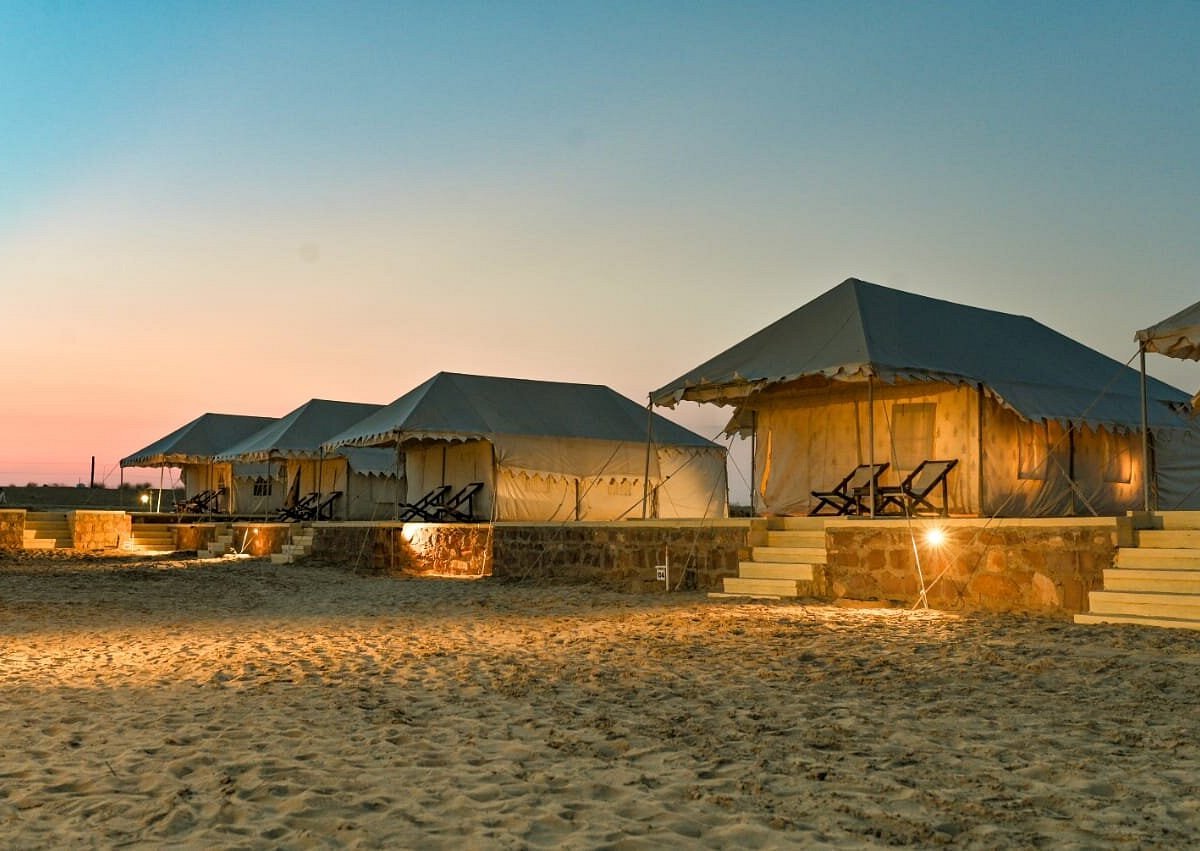
Securing comfortable accommodation forms the foundation of any wilderness excursion. Desert properties in this region range from standard alpine pitched tents to luxury Swiss cottage configurations equipped with private attached bathrooms, running hot water, climate amenities, and handcrafted wooden furnishings reflecting Rajasthani royal heritage.
When evaluating established Jaisalmer desert camps, verify structural security, hygiene certifications, culinary practices, and the proximity of the campsites to the protected dune areas. A well-organized camp should provide a quiet sanctuary away from commercial vehicle corridors while remaining close enough to allow direct access to pristine crests for sunset viewing.
Structuring the Ideal Desert Itinerary: Sunset Safaris and Cultural Evenings
A structured itinerary balances energetic dune exploration with leisurely cultural traditions. Following an afternoon check-in and traditional welcome ceremony, late afternoon serves as the prime operational window for motorized and animal excursions across the dunes.
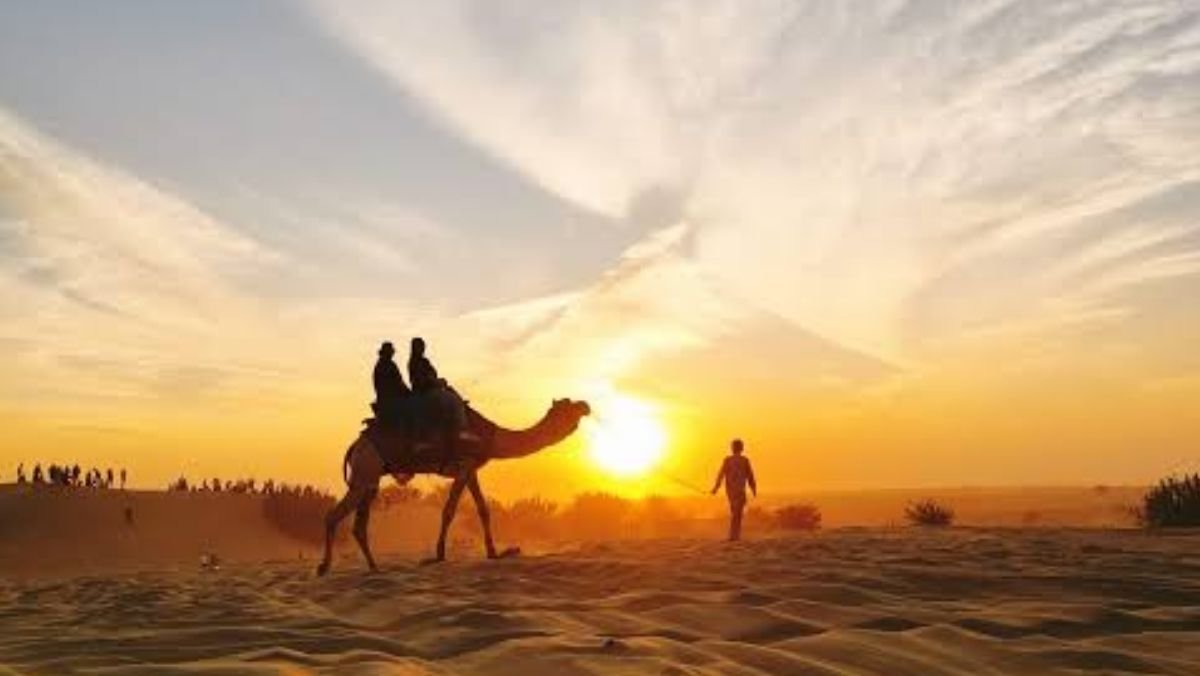
Engaging in a professionally guided Jaisalmer desert safari allows travelers to experience both the slow, rhythmic cadence of a camel trek and the adrenaline-inducing momentum of four-wheel-drive dune bashing. Experienced local drivers navigate the crests and valleys with certified equipment, ensuring passenger safety across unpredictable sand tracks. The expedition culminates on high ridges just before twilight, allowing guests to witness the shifting golden hues of the sun descending below the Thar horizon.
Upon returning to camp, the evening unfolds with live folk music and traditional dance performances. Acclaimed regional artists showcase the Kalbelia dance, Chari fire routines, and soulful Manganiyar vocal harmonies around a communal campfire. This celebration offers genuine insight into centuries of desert community heritage and artistic storytelling.
Exclusive Evening Gastronomy Under the Starlit Sky
Culinary heritage in the Thar Desert is shaped by resilience, locally sourced spices, and age-old culinary techniques. Traditional Rajasthani dinners feature iconic dishes such as Dal Baati Churma, Gatte ki Sabzi, and slow-simmered Ker Sangri paired with hot bajra rotis prepared over clay tandoors.
For couples and families seeking an elevated dining ambience, arranging private dining on dunes in Jaisalmer transforms dinner into an immersive sensory occasion. Seated comfortably amidst lantern-lit sand formations beneath clear constellations, guests savor authentic regional preparations accompanied by personalized hospitality service. The absolute silence of the deep desert provides a stark, peaceful contrast to busy city routines.
Essential Preparation and Packing Recommendations
To maximize comfort and safety during your stay at Sam Sand Dunes, prioritize the following practical items:
- High-SPF sunscreen, polarized sunglasses, and broad-brimmed hats to counter strong daytime ultraviolet rays
- Windproof jackets, woolen shawls, and thermal base garments for the rapid drop in nighttime temperatures
- Closed-toe walking shoes or sturdy desert boots to prevent hot sand ingress during foot explorations
- Reusable water flasks, personal moisturizers, and lip balms to counteract dry desert air conditions
- Sufficient cash reserves, as mobile point-of-sale networks can occasionally experience patchy connectivity in rural border zones
Careful advance planning, verified reservations, and respect for the fragile desert ecosystem will transform your Thar desert expedition into a rewarding, safe, and culturally rich journey.