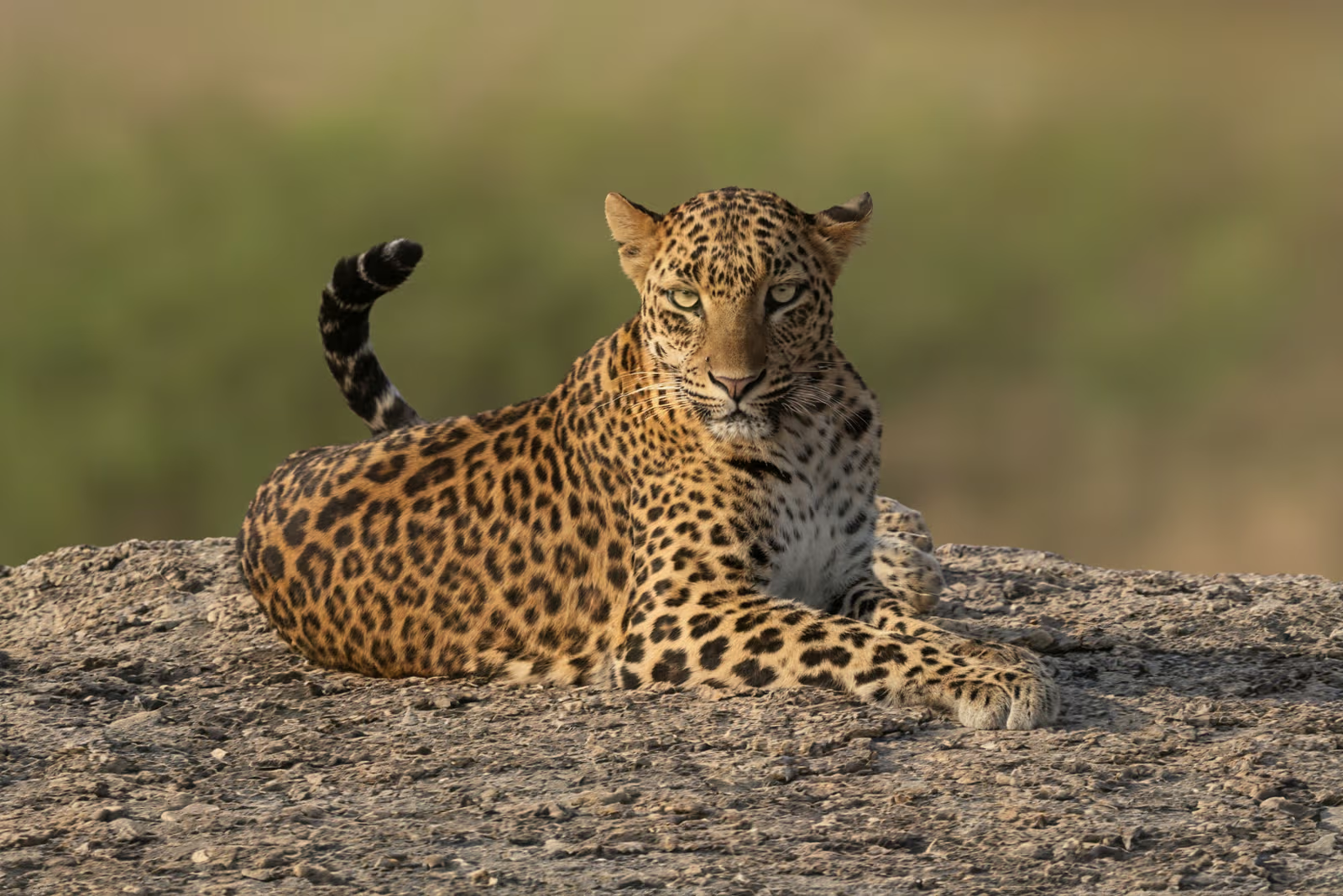
The rugged wilderness of Jawai in southern Rajasthan presents a wildlife encounter unlike any other across the Indian subcontinent. Here, ancient billion-year-old granite kopjes rise dramatically out of the arid plains, sheltering one of the densest populations of wild leopards in the world. Unlike national parks with dense jungle canopies, Jawai’s rocky landscape provides unimpeded sightlines, allowing wildlife enthusiasts and photographers to observe leopards basking openly on monolithic boulders. The remarkable coexistence between these elusive predators and the indigenous red-turbaned Rabari pastoralists adds a profound cultural dimension to every expedition. Planning a journey to this unique biotope requires careful lodging selection, as proximity to key tracking routes directly impacts the frequency and quality of predator sightings.
Selecting the Ideal Wilderness Base in Jawai
Where you choose to stay shapes your entire safari rhythm. Accommodations around the Jawai reservoir range from traditional rustic bush setups to sophisticated sanctuaries that combine sustainable architecture with opulent guest amenities. Discerning travelers seeking comfort without disconnecting from nature prioritize properties perched along the backwaters. A premier luxury resort in Jawai such as The Jawai Sagar offers an ideal setting, placing guests right at the doorstep of the cats’ prime cave shelters and natural watering grounds. Selecting a property positioned close to the dam’s perimeter minimizes long commute times over rough village pathways during early dawn drives, maximizing your operational field time when wildlife activity peaks.
Field-Tested Amenities That Define a Top Safari Lodge
A successful safari expedition depends on more than just high-thread-count linens; it demands infrastructure engineered around the rigorous rhythms of tracking big cats:
- Custom 4×4 Tracking Fleets: Open-top off-road vehicles equipped with shock-absorbing suspension to negotiate steep boulder ascents safely.
- Dedicated Naturalist Trackers: Local guides from the region with generational knowledge of feline territorial markings, nocturnal calls, and cave dens.
- Dam and Backwater Proximity: Immediate access to birding hotspots, mugger crocodile basking sandbars, and migratory waterfowl havens.
- Authentic Regional Gastronomy: Wholesome, farm-to-table culinary experiences celebrating heritage Mewari and Marwari dishes to rejuvenate trackers after arduous drives.
- Panoramic Observation Decks: Elevated verandas and hilltop dining spots that allow guests to scan granite kopjes with spotting scopes directly from the lodge grounds.
Expert Safari Tactics: Maximizing Sightings Across Seasons
Seasoned wildlife trackers approach Jawai with specialized knowledge of feline movement patterns. Between October and early March, crisp mornings compel leopards to linger on sun-warmed rocks until mid-day, creating prime conditions for wide-angle wildlife photography. As the summer heat intensifies from April through June, the cats cluster closer to the receding lake shorelines and permanent springs, generating predictable waterhole observation points. Reserving your leopard safari booking in Jawai well ahead of time ensures access to private trackers who possess the patience and field ethics to wait quietly near active caves without disturbing the animals.
Essential Protocol for Ethical Big Cat Observation
Ethical wildlife tourism ensures the continued peaceful cohabitation between leopards, livestock, and local villages:
- Maintain Respectful Distance: Never instruct your driver to cut off an animal’s natural escape route or box them against rock walls.
- Avoid Artificial Flash: Intense artificial flash photography disorients nocturnal predators and alters their predatory behavior.
- Keep Decibel Levels Low: Whispering and minimizing vehicle engine idling keeps the big cats calm, often leading to extended viewing opportunities.
- Respect Village Grazing Routes: Allow livestock herds and Rabari graziers the right of way across dirt tracks at all times.
Crafting Your Tailored Wilderness Itinerary
To fully appreciate the biodiversity of the Pali district, a two-to-three-night stay is recommended. A thoughtfully scheduled Jawai leopard safari tour balances morning ridge climbs with twilight drives across open riverbeds, along with midday excursions to view mugger crocodiles resting along the wetlands. Between drives, guests can walk the trails alongside local Rabari herdsmen to understand regional folklore, birdwatch along the water margins, or simply savor the stillness of Rajasthan’s most striking wilderness. Investing in an established lodge with deep roots in the local community guarantees that your stay directly supports habitat conservation and responsible local employment.