Planning a wildlife getaway in western India often leads travelers to the rugged granite hills of Rajasthan. Situated in the Pali district, Jawai offers an unmatched wilderness experience where wild leopards roam freely alongside the indigenous Rabari herding community. While many adventurers begin their journey from Gujarat after relaxing at a luxury hotel in Gandhinagar, knowing how the shifting seasons impact wildlife movement is vital before booking your expedition. Visiting between November and February transforms this rocky terrain into a crisp, sunlit sanctuary that rewards patience with extraordinary sightings.
Understanding Jawai Winter Weather Conditions
Winter in the Pali district brings dramatic temperature swings between dawn and midday. Daytime temperatures typically hover between 22°C and 28°C, creating comfortable conditions for afternoon village walks and dam visits. However, early mornings and late nights tell a very different story. During December and January, pre-dawn temperatures routinely drop to 6°C or 9°C. Because safaris operate in open-top 4×4 vehicles, the wind chill during sunrise drives feels sharper than the thermometer suggests. Travelers accustomed to leisurely weekend routines at a family club in Gandhinagar should prepare for genuine winter chill at daybreak before the desert sun warms the granite boulders.
Top Safari Facts for Winter Travelers
Unlike conventional fenced wildlife sanctuaries, Jawai is a non-protected conservation landscape where nature dictates every encounter. Understanding how winter affects local fauna helps set realistic expectations for your game drives.
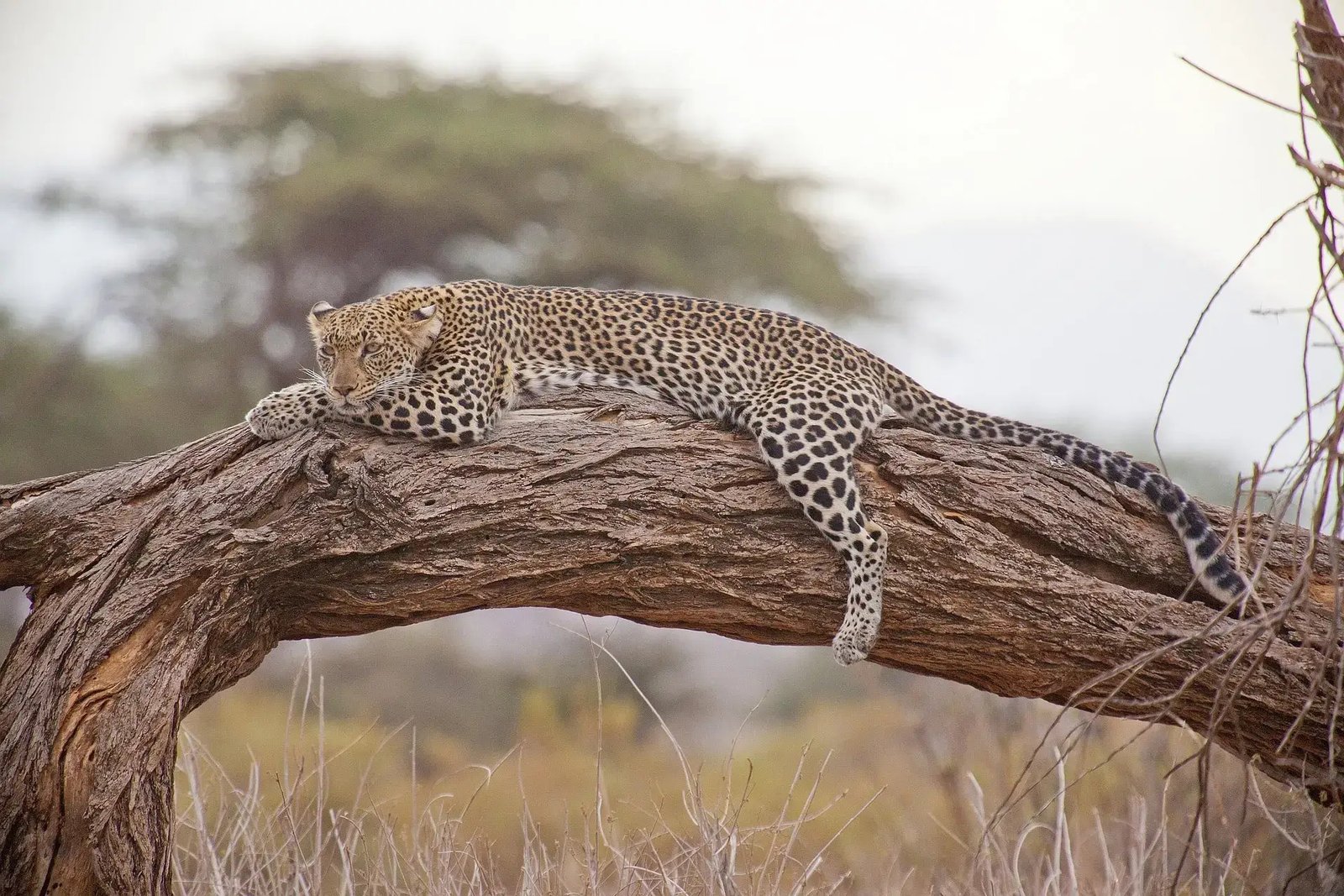
- Basking Behavior Increases Sightings: Granite rocks absorb cold overnight and warm rapidly under the morning sun. Leopards frequently emerge from caves after sunrise to sunbathe on exposed ledges, making visual tracking significantly easier than during dense monsoon months.
- Thinner Foliage Improves Visibility: Post-monsoon greenery dries out by late November, stripping away thick scrub cover and revealing clear sightlines across the rocky hills.
- Peak Migratory Bird Activity: The expansive Jawai Bandh reservoir becomes a winter haven for flamingos, bar-headed geese, sarus cranes, and pelicans between November and March.
- Marsh Crocodile Spotting: Cooler water temperatures prompt large marsh crocodiles to haul themselves onto the sunny banks of the dam during mid-morning and afternoon hours.
- Fixed Dual Safari Slots: Winter game drives run twice daily, with morning safaris departing around 6:30 AM and evening drives starting near 4:30 PM to align with golden-hour light.
Practical Planning and Road Connectivity
Reaching Jawai from central Gujarat takes roughly five to six hours by road, making it an accessible extended weekend escape for corporate retreats or family groups. Organizers who frequently coordinate off-site gatherings through an event venue in Gandhinagar often find Jawai ideal for small leadership getaways due to its peaceful atmosphere and boutique tented camps. Because December and January represent peak tourist season, safari permits and boutique accommodations near Jawai Bandh sell out months ahead. Booking at least two nights allows for both sunrise and sunset leopard drives alongside a dedicated birdwatching session at the reservoir.
Essential Packing Tips for Cold Game Drives
Dressing in adaptable layers ensures comfort as temperatures climb nearly fifteen degrees between sunrise and noon. Pack a windproof fleece jacket, thermal innerwear, a woolen beanie, and gloves for the 6:30 AM departure. Choose earthy tones like olive, beige, or brown to blend naturally into the rocky environment, and carry polarized sunglasses along with a telephoto lens to capture crisp portraits of leopards resting against the sunlit granite.
Why Winter Stands Out for First-Time Visitors
A winter trip to Jawai delivers the most reliable combination of pleasant daytime weather, clear photography light, and high wildlife activity. While summer heat concentrates animals near dwindling waterholes, winter lets you explore the entire ecosystem comfortably without battling forty-degree temperatures. Whether you are tracking elusive big cats across ancient boulders or photographing migratory waterfowl at dawn, the winter months showcase Jawai at its absolute finest.