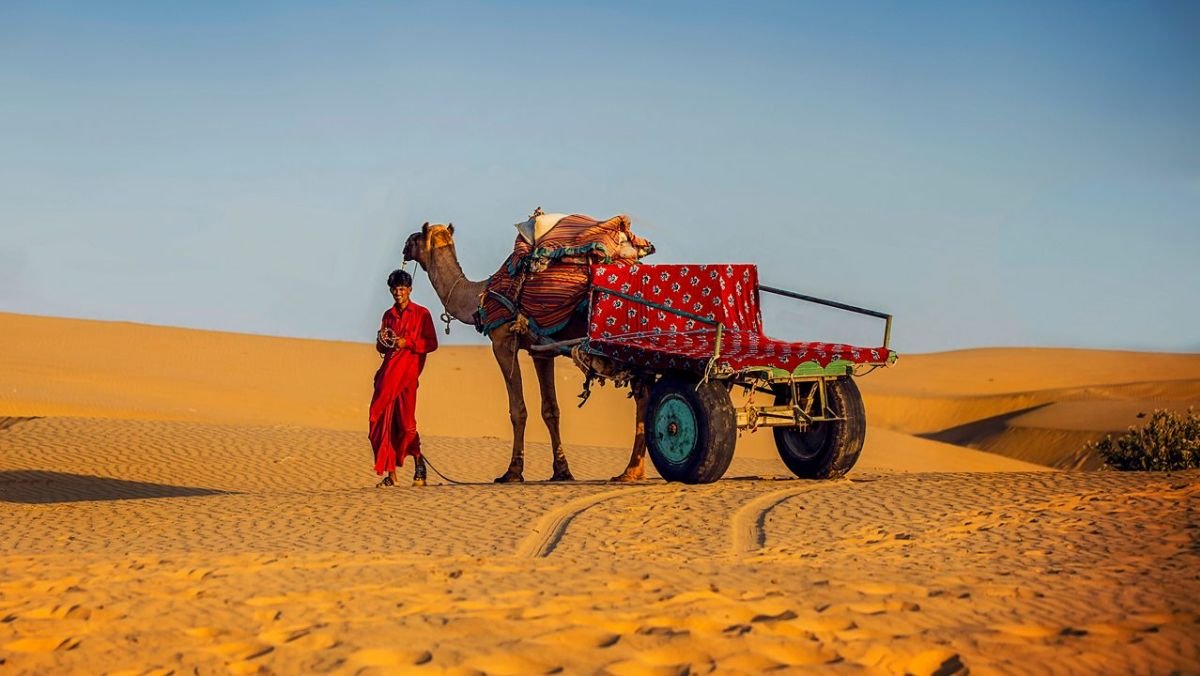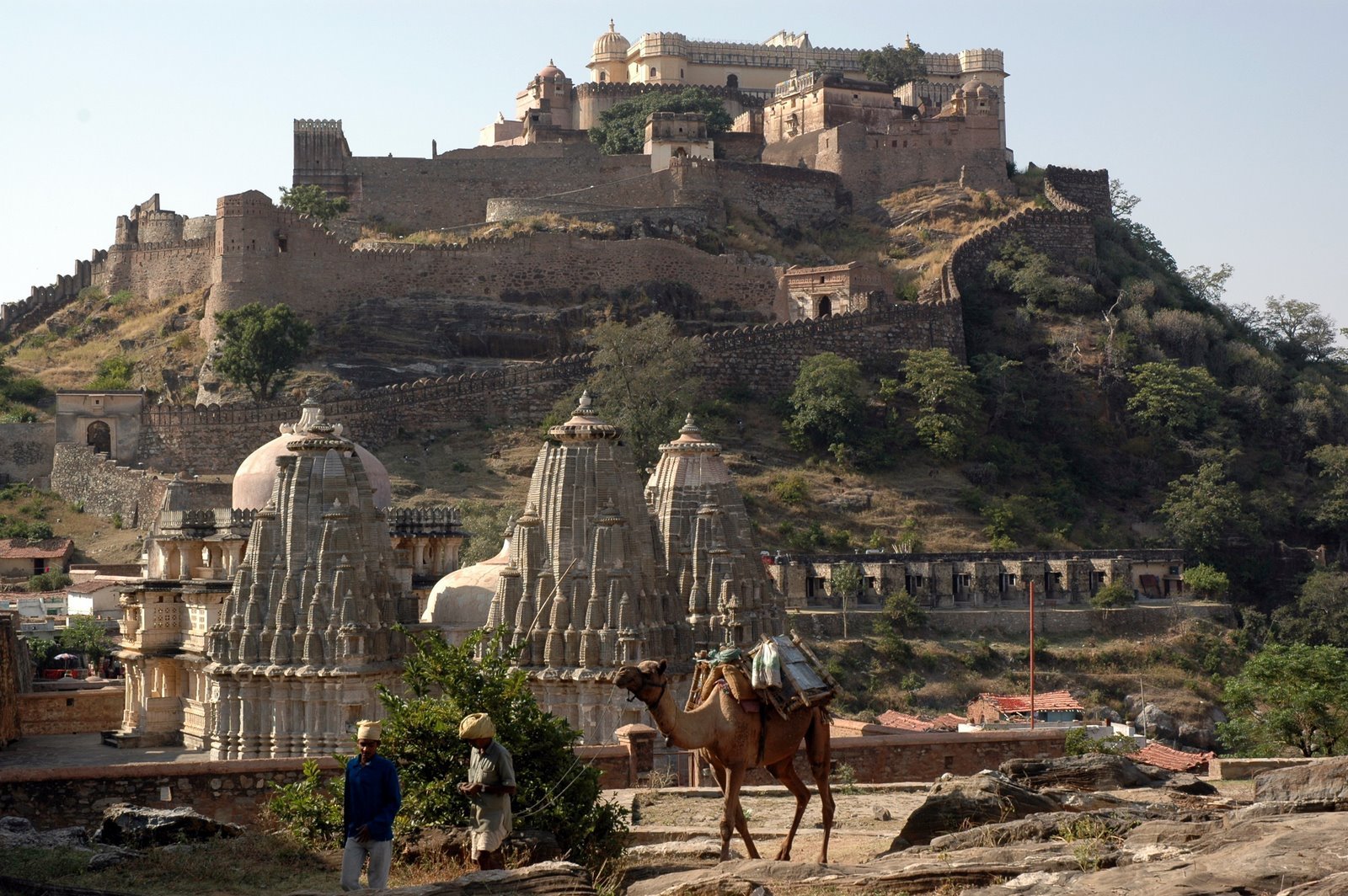
When the desert sun drops below the horizon of the Thar and a chill settles over the golden sands of Sam, the heart of Rajasthan begins to beat in rhythm. Having spent years hosting travelers from every corner of the globe and working directly alongside local Manganiyar musicians and generational folk artists, we know that Jaisalmer’s living heritage is best understood after dark around a crackling bonfire. While sandstone forts and carved havelis tell the history of royal dynasties, it is the region’s folk dances that preserve the daily resilience, devotion, and celebration of desert communities.
Why Folk Performances Anchor the Desert Experience
In the rural stretches surrounding Kanoi and the Sam Sand Dunes, traditional dance is never merely stage entertainment. Every movement carries centuries of oral history passed down through nomadic and agrarian families. At Magra Desert Camp, our evening programs bring travelers face-to-face with hereditary performers from neighboring villages rather than commercial troupes. Experiencing an authentic cultural dance in Jaisalmer under an open starlit sky allows guests to witness raw acoustic instrumentation—such as the kamaicha, dholak, khartaal, and morchang—played live without synthetic backing tracks.
Iconic Rajasthani Folk Dances You Will Witness
Kalbeliya: The Serpentine Dance of the Thar
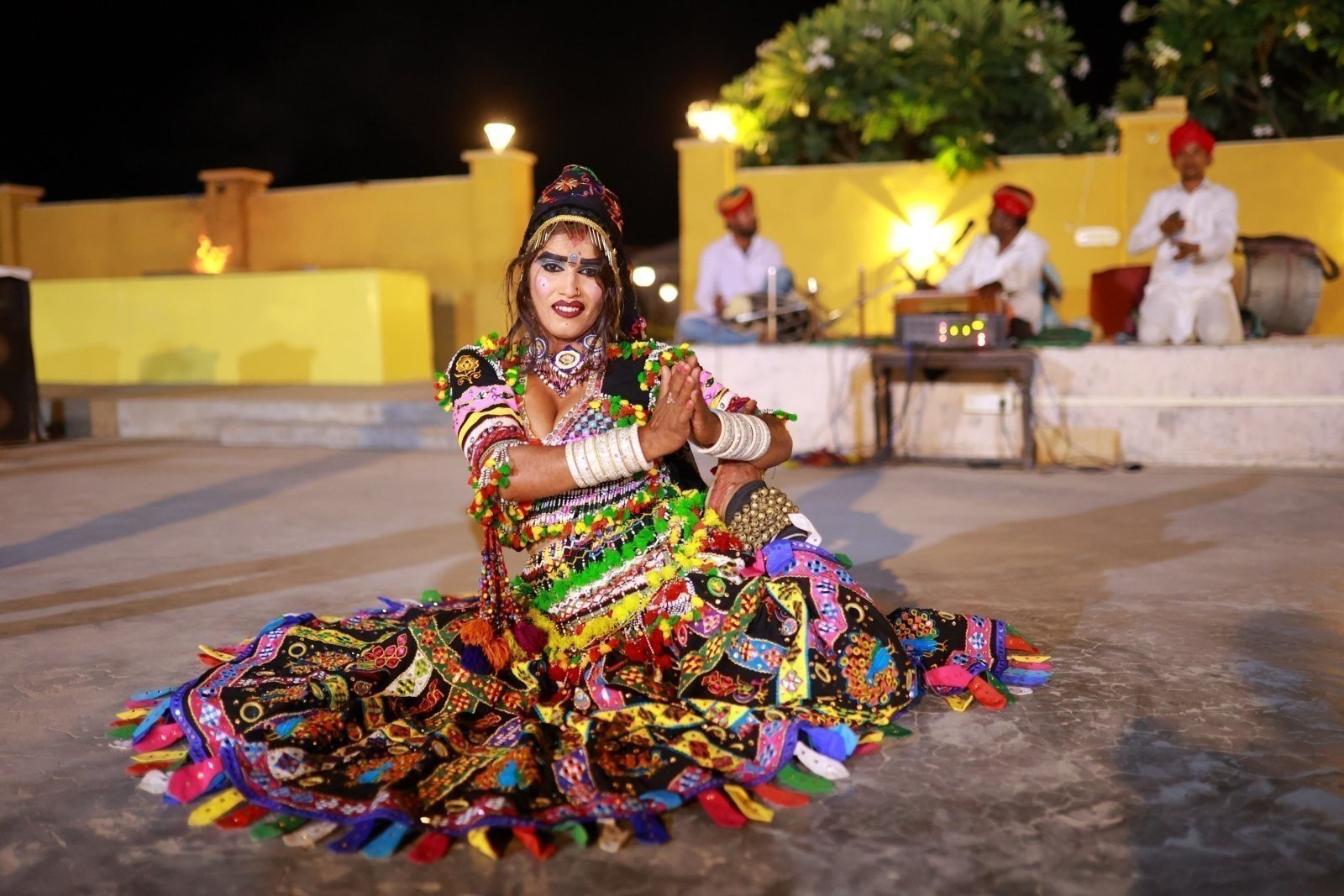
Recognized on UNESCO’s Representative List of Intangible Cultural Heritage, Kalbeliya is the undisputed highlight of any desert evening. Performed by women of the traditionally nomadic snake-charmer community, the dancers wear flowing black angrakhas and ghaghras intricately embroidered with silver thread and mirror work. As male musicians play the haunting been (wind instrument) and dufli, the dancers execute hypnotic, fluid torso movements and rapid spins that mimic the grace of a desert serpent. Experienced performers often conclude their routine with astonishing acrobatic feats, such as picking up a coin or ring from the sand using only their eyelids or mouth while maintaining a deep backbend.
Ghoomar: Royal Grace and Swirling Colors
Originally cultivated in the royal courts of Marwar and embraced across Jaisalmer, Ghoomar is Rajasthan’s quintessential state dance. Female performers move in synchronized circles, executing delicate footwork and rhythmic hand claps while twirling continuously. As the tempo of the dhol and traditional folk ballads accelerates, their wide, brightly colored skirts flare outward like blooming desert flowers. Ghoomar is deeply participatory; during festive gatherings, local artists warmly invite visitors to step onto the courtyard sand and learn the foundational three-step spin.
Bhavai and Chari: Feats of Balance and Fire
For sheer physical mastery, few art forms rival Bhavai and Chari. Originating from the Gujjar community, Chari features female dancers balancing brass pots (charis) topped with blazing cotton-seed flames on their heads while gliding effortlessly across the performance floor. Bhavai elevates this discipline to extraordinary heights: performers stack seven to nine brass or earthen pitchers atop their heads while simultaneously dancing on the sharp edges of naked swords, brass plates, or shattered glass. Years of rigorous balance training allow these artists to smile effortlessly through routines that demand intense core control and concentration.
Terah Taali: Devotional Rhythm in Motion
Rooted in devotion to the folk deity Baba Ramdev, Terah Taali is performed exclusively by women of the Kamadia tribe. Unlike standing dances, performers remain seated throughout the routine with thirteen small brass cymbals (manjeeras) tied to their wrists, elbows, ankles, and waist. Holding an additional pair of cymbals in their hands, the women strike the various percussion points on their bodies in intricate, polyrhythmic patterns while occasionally balancing a pot on their head or holding a small sword between their teeth.
Essential Etiquette and Planning Tips for Travelers
To ensure a respectful and memorable cultural evening in the Thar Desert, keep these practical guidelines in mind:
- Ask Before Recording Close-Ups: While photography is welcomed during evening performances, always respect the artists’ personal space and avoid stepping into the central performance circle.
- Support Live Artisans: Folk musicians and dancers rely heavily on seasonal tourism between October and March. Offering direct appreciation or modest tips after a performance directly sustains rural artist families.
- Dress for Desert Temperature Drops: Even after warm afternoons, temperatures in the Sam dunes plummet swiftly after sunset. Carry a warm shawl or light jacket so you can comfortably enjoy the full two-hour cultural showcase.
- Choose Authentic Hospitality: Selecting a well-established desert camp in Jaisalmer ensures fair compensation for local performers alongside hygienic dining and reliable evening arrangements.
Retreating to Comfort After the Bonfire Fades
Once the final beats of the nagara drum echo across the dunes and the bonfire embers settle, having a quiet, comfortable sanctuary makes all the difference. Retreating into a spacious Swiss tent in Jaisalmer gives travelers modern comforts—such as insulated canvas walls, plush bedding, and clean en-suite washrooms with hot water—just steps away from the raw wilderness of the Thar. At Magra Desert Camp, our team coordinates every detail from sunset camel safaris to curated folk nights so your journey into Jaisalmer’s living culture feels effortless, authentic, and deeply restorative.