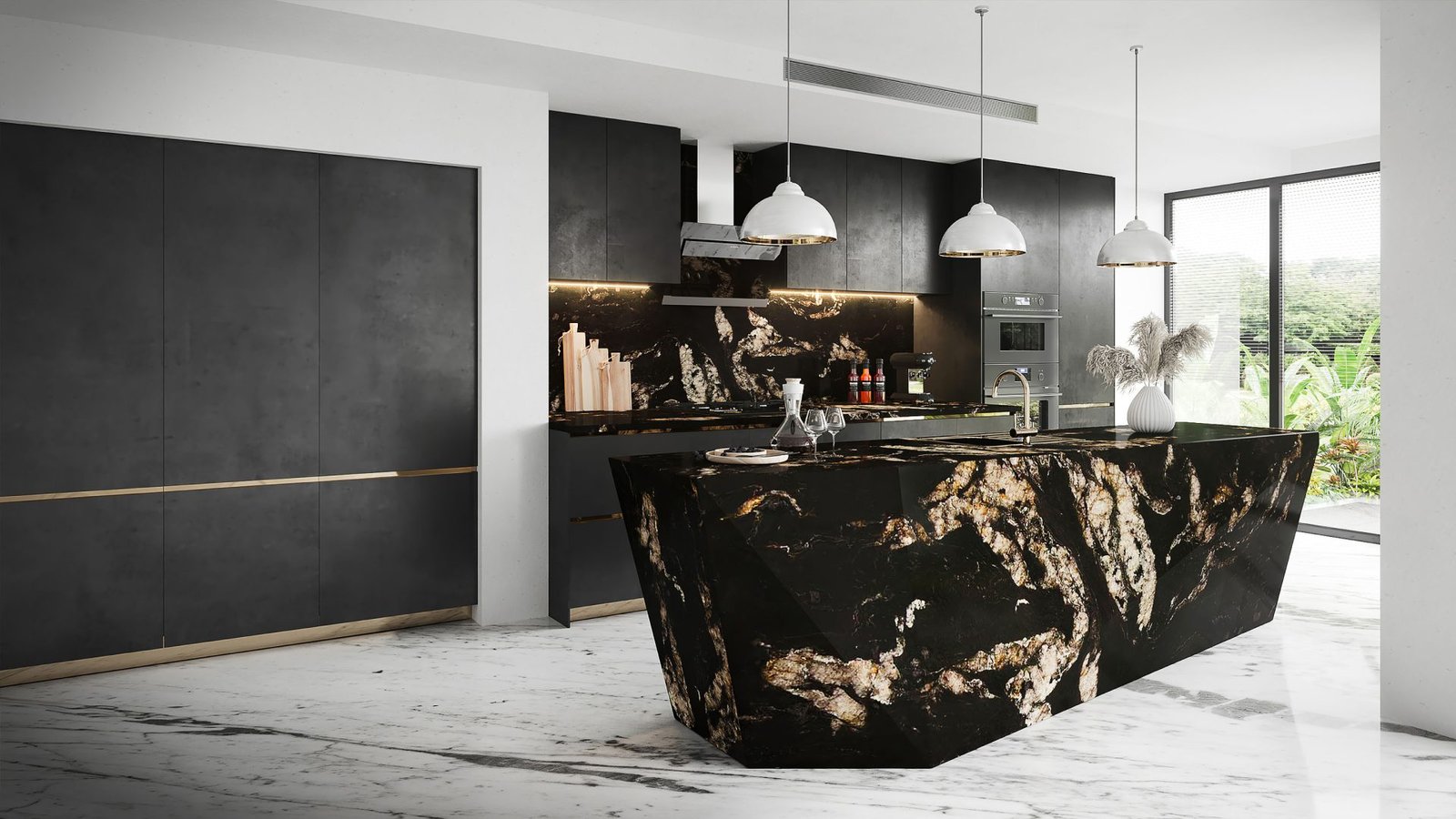
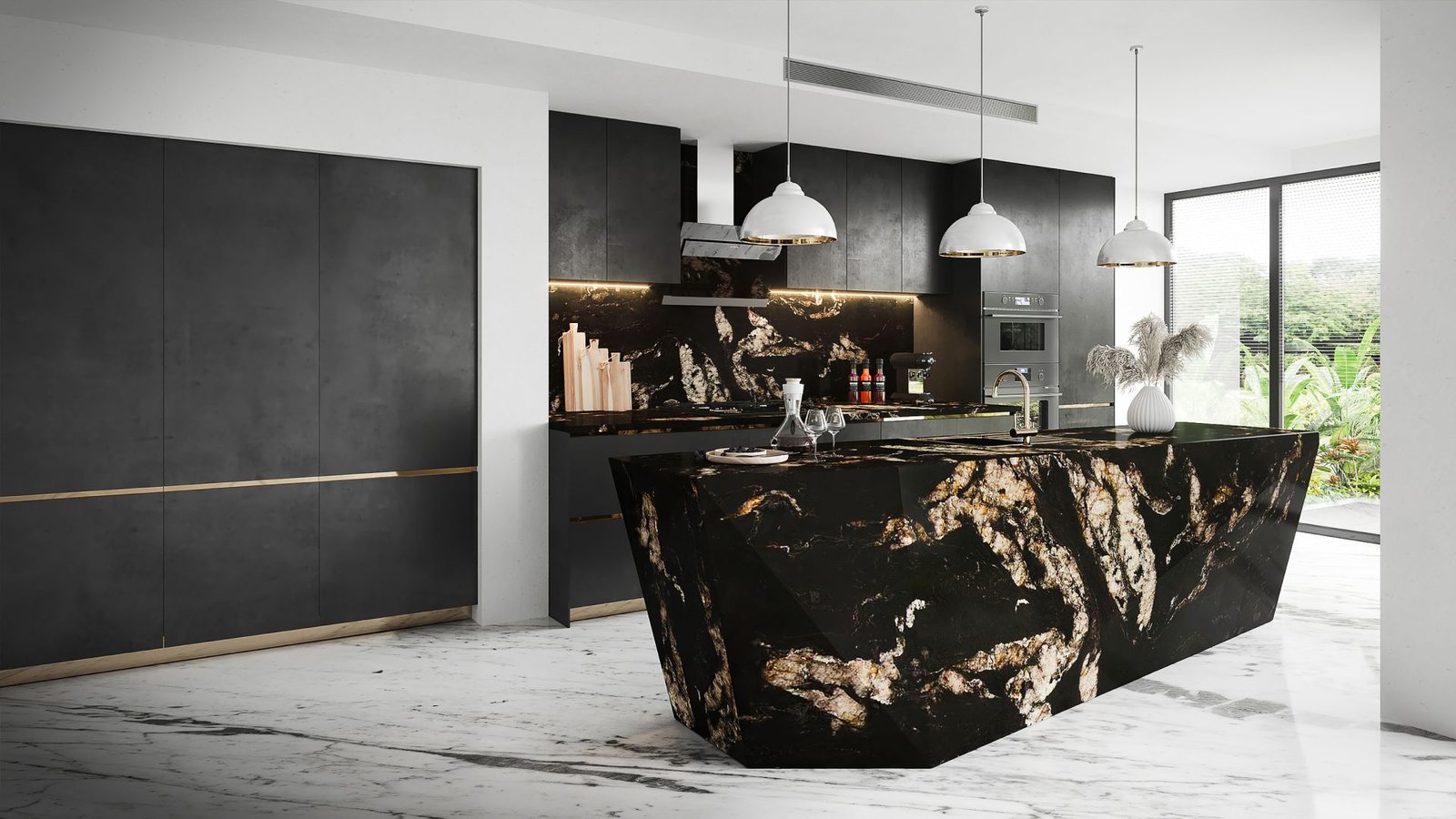
Choosing the perfect marble for your kitchen platform is more than just a design decision—it’s a lifestyle choice that affects both aesthetics and functionality. With an endless variety of natural stones available, the debate often narrows down to two timeless options: white marble and black marble. Each has its unique charm, practical considerations, and design implications. If you’re planning a kitchen renovation or building your dream home, understanding the pros and cons of both materials will help you make a confident and informed choice. As a leading Natural Stone block supplier in India, Galaxy Exports brings decades of experience to guide you through this critical decision.
The Timeless Appeal of White Marble
White marble has been a staple in architecture and interior design for centuries. From the Taj Mahal to contemporary luxury kitchens, its elegance is undeniable.
Key Benefits of White Marble:
- Visual Spaciousness: White marble reflects natural and artificial light, making smaller kitchens appear larger and more open.
- Classic Aesthetic: Whether you prefer a minimalist modern look or a vintage farmhouse style, white marble effortlessly complements a wide range of design themes.
- Heat Resistance: Marble surfaces stay cool, making them ideal for rolling dough and other culinary activities.
However, white marble requires careful maintenance. Its porous nature makes it susceptible to staining from common kitchen substances like wine, coffee, and turmeric. Regular sealing is essential to preserve its pristine appearance.
The Bold Elegance of Black Marble
If you’re looking to create a bold, dramatic statement, black marble is a perfect choice. Its rich, deep tones add sophistication and luxury to any kitchen space.
Key Benefits of Black Marble:
- Stain Camouflage: Darker surfaces naturally hide minor stains and scratches, making maintenance easier for busy households.
- Contrast and Depth: Black marble creates stunning contrast when paired with light-colored cabinets and metallic fixtures.
- Luxurious Finish: Polished black marble surfaces exude a premium feel that elevates the entire kitchen ambiance.
Despite its advantages, black marble can show water spots and fingerprints more visibly. Frequent wiping and polishing help maintain its glossy appearance.
Which One Suits Your Kitchen Lifestyle?
Choosing between white and black marble isn’t just about color preference—it’s about matching your stone selection to your lifestyle and kitchen habits.
- If You Cook Frequently: Consider the maintenance demands. Black marble is more forgiving of occasional spills, while white marble requires diligent care.
- If You Love Entertaining: A white marble kitchen creates a bright, welcoming space for guests, while black marble adds a touch of elegance perfect for intimate, sophisticated gatherings.
- If You Have Limited Space: White marble’s reflective quality can make a small kitchen feel larger. Black marble, on the other hand, adds depth but can make tight spaces feel more confined.
Combining White and Black Marble: The Best of Both Worlds
Modern interior design trends often embrace the contrast of combining both white and black marble. You can create a two-tone kitchen with a white marble countertop and a black marble island, achieving a balanced and visually engaging space. This approach adds dimension without overwhelming the area with a single dominant color.
Alternative Stone Options for Kitchen Platforms
While marble is a luxurious choice, it’s not the only natural stone worth considering. Galaxy Exports also specializes as an Exotic Stone Supplier in India, offering a range of rare and visually stunning stone options that deliver the same elegance with unique design possibilities.
Additionally, if you’re looking for durable and lower-maintenance alternatives, consider exploring stones like quartzite and sandstone. As a reputable Quartzite/Sandstone supplier in India, we offer options that combine beauty with resilience, perfect for busy kitchens.
Maintenance Tips for a Lasting Shine
Regardless of your choice, proper maintenance is key to keeping your kitchen platform looking flawless for years:
- Seal the Surface: Apply a high-quality sealant periodically to protect against stains and moisture penetration.
- Clean Spills Immediately: Acidic substances like lemon juice and vinegar can etch marble surfaces if left unattended.
- Use Gentle Cleaners: Avoid harsh chemicals and abrasive scrubbers. A mild soap solution and a soft cloth are ideal for daily cleaning.
- Avoid Direct Heat: Although marble is heat-resistant, placing hot pans directly on the surface can cause discoloration over time.
Final Thoughts: Which Marble Should You Choose?
The decision between white and black marble ultimately comes down to your personal style, kitchen usage, and willingness to maintain the surface. White marble offers timeless elegance and a bright, airy feel, perfect for classic and modern kitchens alike. Black marble makes a bold, luxurious statement, ideal for those who want to create a dramatic, high-end look.
If you’re still undecided, consider visiting a trusted supplier like Galaxy Exports to explore a wide range of marble varieties firsthand. Visualizing the stones under different lighting conditions can make all the difference when making such a significant choice for your home.