Exploring the Vibrant Landscapes of an Amazing India Tour
India is a land of profound contrasts, where ancient traditions coexist with modern innovation. From the snow-capped peaks of the Himalayas to the tropical backwaters of Kerala, every corner of the country offers a unique story. Planning a journey through this vast subcontinent requires a thoughtful approach to ensure you capture the essence of its heritage, spirituality, and natural beauty. Whether you are a first-time visitor or a seasoned traveler, understanding the key regions and logistics is the first step toward an unforgettable experience.
Navigating such a diverse geography can be overwhelming, which is why many travelers opt for professional guidance. Utilizing well-structured tour packages of india allows visitors to focus on the cultural immersion rather than the complexities of local transport and scheduling. A guided approach ensures that you don’t just see the landmarks, but also understand the historical context that makes them significant.
The Architectural Grandeur of the Golden Triangle
No guide to India is complete without mentioning the Golden Triangle, comprising Delhi, Agra, and Jaipur. This circuit is the most popular introduction to the country, offering a concentrated dose of history and architectural brilliance. In Delhi, the capital city, one can witness the transition from the narrow, bustling lanes of Old Delhi to the grand, tree-lined avenues of New Delhi.
Agra, home to the iconic Taj Mahal, remains a primary destination for travelers worldwide. This marble masterpiece, built by Emperor Shah Jahan, is a testament to Mughal craftsmanship. Beyond the Taj, the Agra Fort and the nearby ghost city of Fatehpur Sikri offer further insight into the royal history of the region. Moving westward into Rajasthan, Jaipur—the Pink City—enchants visitors with its hilltop forts and vibrant bazaars. The Hawa Mahal and Amer Fort are essential stops for anyone looking to experience the regal charm of India’s desert state.
Spiritual Serenity and the Holy Ganges
For those seeking a deeper spiritual connection, the northern plains along the River Ganges provide a soul-stirring experience. Varanasi, one of the oldest living cities in the world, is the heart of Hindu spirituality. Witnessing the evening Ganga Aarti, where lamps are floated on the river amidst chanting and bells, is a sensory experience unlike any other.
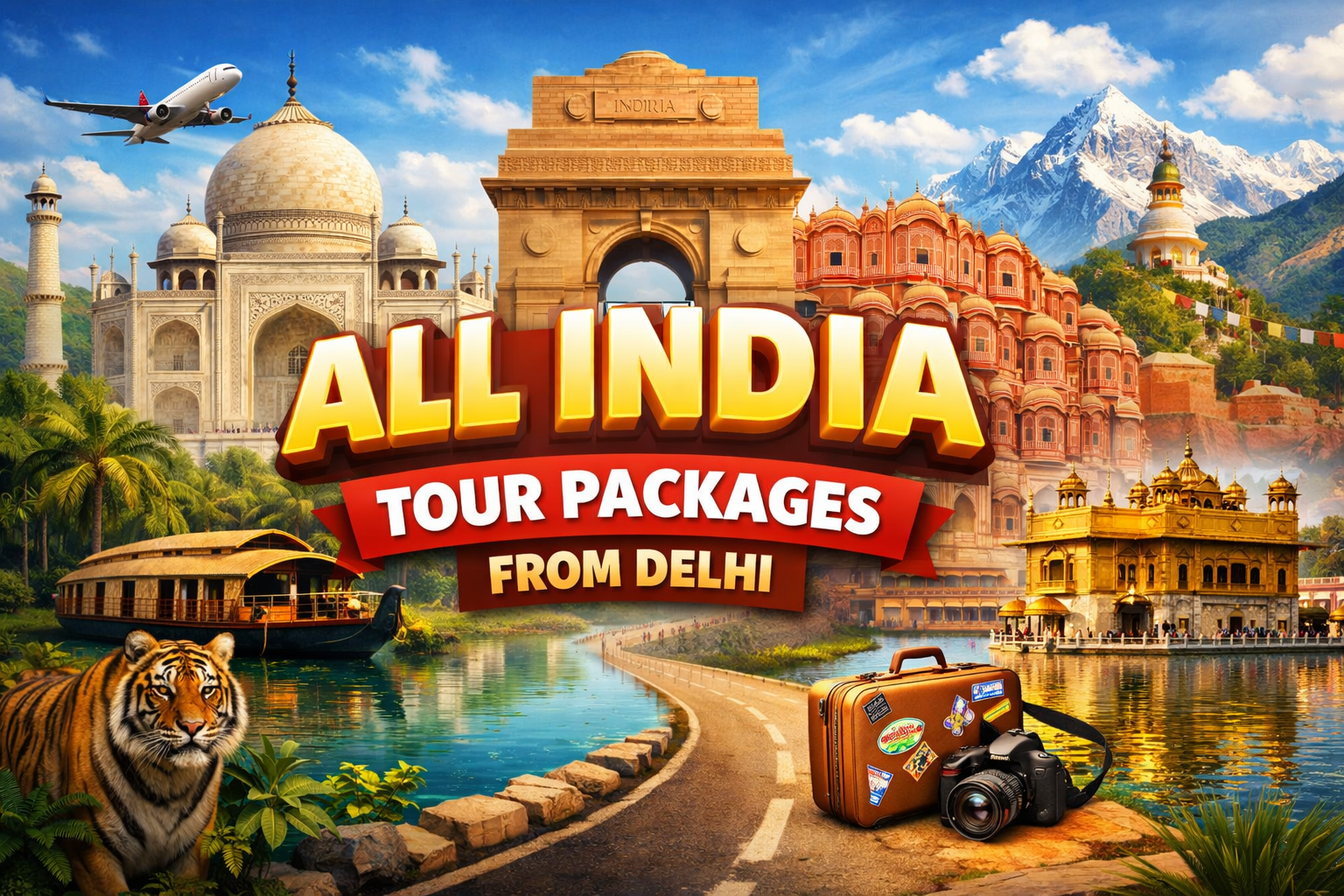
Further upstream lies Rishikesh and Haridwar, known as the gateways to the Himalayas. These towns are famous for yoga, meditation, and adventure sports. The blend of tranquil riverbanks and the rugged Himalayan foothills creates an environment of peace and rejuvenation. Many travelers find that incorporating these spiritual hubs into all india tour packages from delhi provides a balanced perspective of the country’s diverse cultural fabric.
The Royal Heritage of Rajasthan and Gujarat
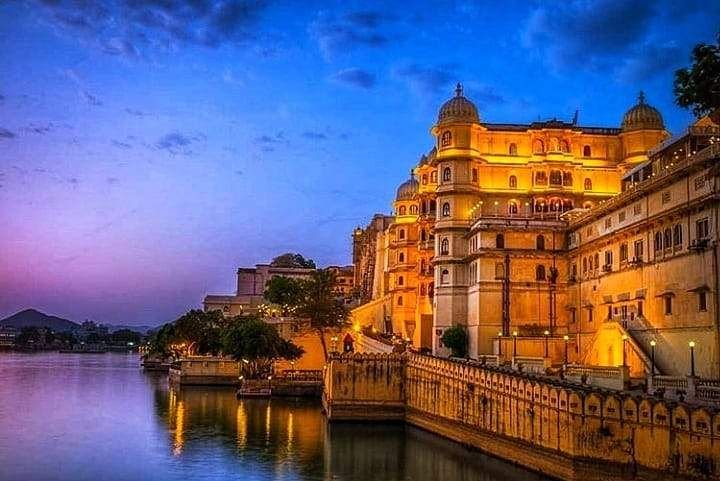
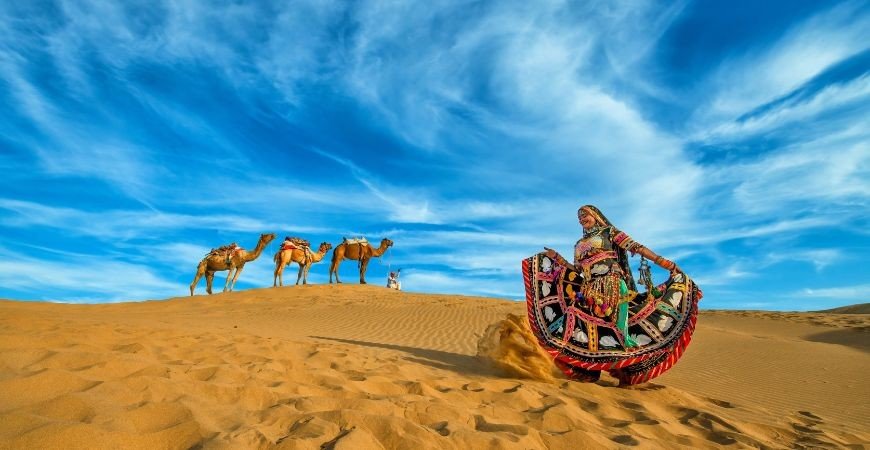
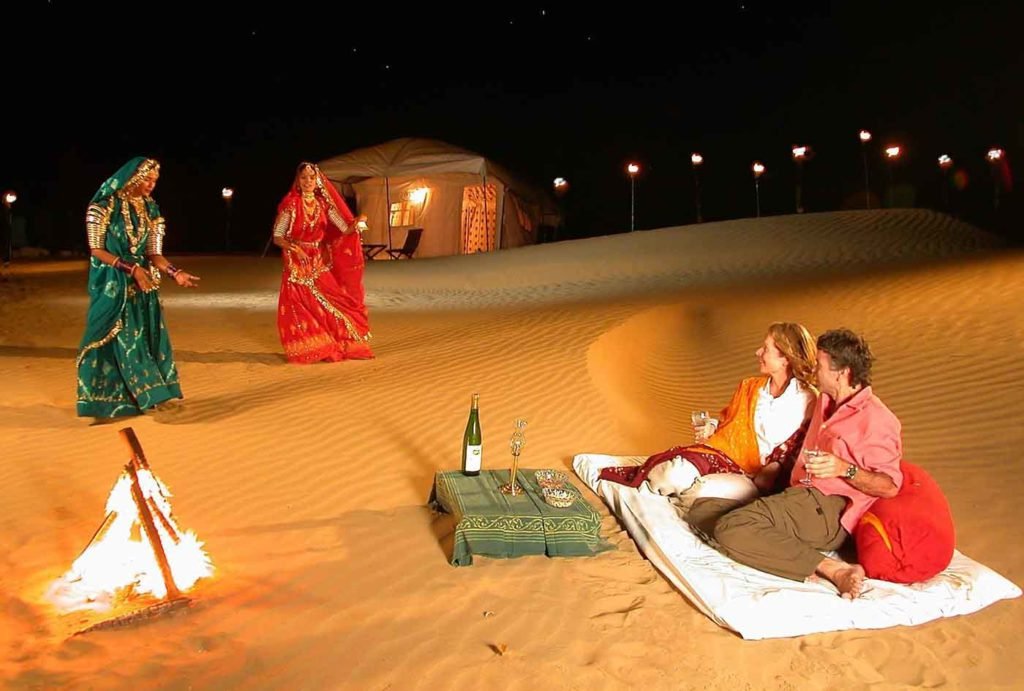
Beyond the Golden Triangle, the states of Rajasthan and Gujarat offer a deeper dive into India’s princely past and vibrant folk traditions. Rajasthan is dotted with “colored” cities: the Blue City of Jodhpur, dominated by the Mehrangarh Fort, and the Golden City of Jaisalmer, which rises out of the Thar Desert. Udaipur, often called the City of Lakes, provides a romantic setting with its intricate palaces reflected in calm waters.
In neighboring Gujarat, the landscape changes to include the white salt deserts of the Rann of Kutch. This region is famous for its exquisite handicrafts, textiles, and the Dwarkadhish Temple. Gujarat is also the only place in the world where you can see Asiatic lions in the wild at Gir National Park. Exploring these western states allows travelers to witness a different side of Indian hospitality and traditional craftsmanship.
Tropical Bliss in South India
As you move south, the dry heat of the north gives way to the humid, lush greenery of the peninsula. Kerala, often referred to as “God’s Own Country,” is famous for its palm-fringed backwaters and spice plantations. A houseboat cruise through the canals of Alleppey offers a slow-paced look at rural life, while the hill station of Munnar provides stunning views of rolling tea gardens.
Tamil Nadu and Karnataka complement this natural beauty with monumental temple architecture. The towering gopurams of Madurai and the UNESCO World Heritage ruins of Hampi showcase the artistic heights of the Vijayanagara and Chola empires. The southern region is also a culinary delight, offering a vast array of vegetarian and seafood dishes that differ significantly from northern cuisine.
Wildlife and Nature Expeditions
India is one of the most biodiverse countries in the world, making it a premier destination for wildlife enthusiasts. Apart from the lions of Gujarat, the central Indian state of Madhya Pradesh is the best place to spot the Royal Bengal Tiger. National parks like Kanha, Bandhavgarh, and Pench inspired the settings for Kipling’s literature and continue to protect endangered species in their natural habitats.
In the northeast, Kaziranga National Park in Assam is home to the prehistoric-looking one-horned rhinoceros. The region’s tea estates and the living root bridges of Meghalaya offer an off-the-beaten-path adventure for those looking to explore India’s more remote frontiers. Integrating wildlife safaris into a broader itinerary adds an exciting dimension of nature conservation to the travel experience.
Planning Your Journey with Namaste India 24
Creating a seamless travel itinerary requires local expertise and a commitment to quality service. Namaste India 24 specializes in crafting journeys that cater to the specific interests of global travelers. By focusing on authentic experiences and reliable logistics, they ensure that every traveler can explore the wonders of India with confidence and ease.
From luxury heritage stays in palaces to comfortable guided tours through bustling cities, the focus remains on providing value and insight. Their experts assist in selecting the right destinations based on the season, ensuring that your visit aligns with local festivals and optimal weather conditions. Whether you are interested in history, photography, or spiritual growth, having a dedicated partner on the ground makes all the difference.
Practical Tips for Your India Adventure
To make the most of your trip, it is important to consider the timing and local customs. The best time to visit most of India is between October and March, when the weather is cool and pleasant. During these months, the desert regions of Rajasthan and the plains of the north are most accessible. However, if you plan to visit the high Himalayas, the summer months of May to September are ideal.
Always remember to dress modestly when visiting religious sites and carry a reusable water bottle to stay hydrated. Engaging with local guides can provide nuances about the culture that you won’t find in textbooks. With a bit of preparation and an open mind, an incredible journey through the heart of South Asia awaits. India is not just a destination; it is an experience that stays with you long after you have returned home.