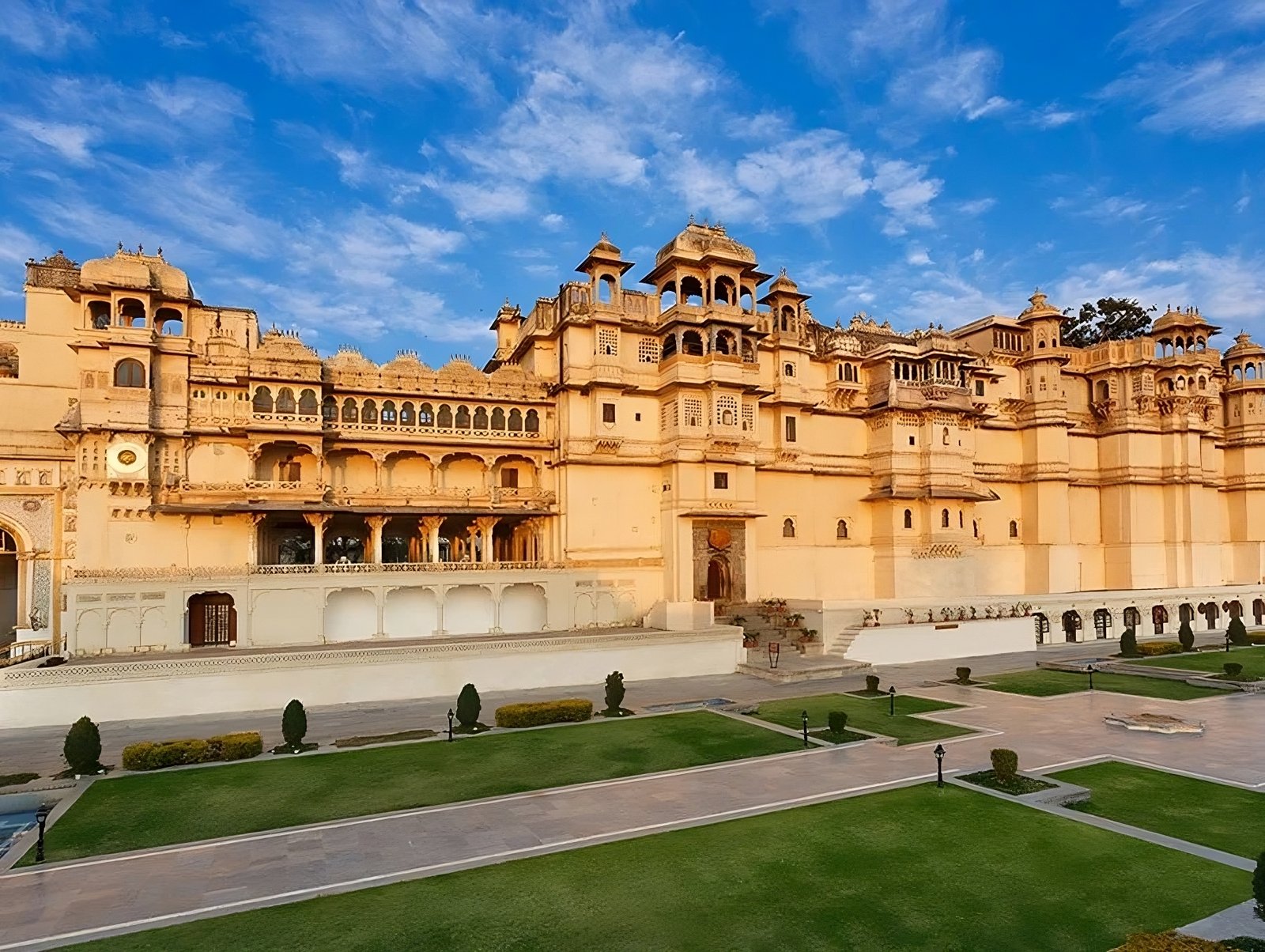

Stepping into the rugged terrain of Rajasthan offers a visual feast that few other places on earth can match. For photography enthusiasts, the gateway to this wilderness is undoubtedly a premier resort in Ranthambore, where the transition from luxury comfort to raw nature is seamless. Sawai Madhopur is not just a transit point for wildlife lovers; it is a canvas painted with golden grasslands, ancient stone ruins, and the piercing gaze of the Royal Bengal Tiger. To capture the essence of this region, one must understand the interplay of light against the Aravalli hills and the architectural heritage that stands as a silent witness to centuries of history.
The Majestic King: Wildlife Photography in the Core Zone
The crown jewel of any photographic expedition here is the Ranthambore Jungle Safari. This is where the dance between predator and prey unfolds. To get the best shots, focus on Zone 1 through 5, which are famous for their varied topography and frequent tiger sightings. However, don’t just fixate on the big cats. The park is a haven for leopards, sloth bears, and over 300 species of birds. The “golden hour”—just after sunrise and shortly before sunset—provides a soft, warm glow that eliminates harsh shadows on the tiger’s coat, allowing for high-contrast portraits that feel alive. Using a long telephoto lens (300mm to 600mm) is essential for capturing those intimate close-ups while maintaining a respectful and safe distance from the wildlife.
Ranthambore Fort: A Panoramic Perspective
Standing atop a high cliff, the UNESCO World Heritage site of Ranthambore Fort offers a sweeping view of the entire national park. For a photographer, the fort is a masterclass in scale and texture. The weathered stone walls, massive gates, and intricate carvings provide a glimpse into the Chauhan dynasty’s architectural prowess.
- The Bird’s Eye View: Head to the ramparts during the late afternoon to capture the lakes (Padam Talao and Raj Bagh) from above. The reflection of the sky in the water, surrounded by dense green forest, creates a stunning landscape composition.
- The Detail Shot: Focus on the Ganesha Temple and the various cenotaphs. The play of light through arched doorways creates dramatic “chiaroscuro” effects that are perfect for black-and-white photography.
The Lakes: Mirror Images of the Wilderness
The three main lakes—Padam Talao, Malik Talao, and Raj Bagh Talao—are the lifelines of the forest. These spots are essential when checking off Things to Do in Sawai Madhopur for any serious creator. Jogi Mahal, situated on the banks of Padam Talao, features one of the largest Banyan trees in India. The sprawling aerial roots make for an ethereal, almost haunting foreground for landscape shots. During the summer months, these water bodies become hubs of activity as animals gather to drink. Capturing a tiger wading through the lily pads of Padam Talao is often considered the “Holy Grail” of Indian wildlife photography.
Surwal Lake: A Haven for Avian Photography
While the national park steals the limelight, Surwal Lake is a hidden gem located about 10 kilometers from the main town. This seasonal lake is a paradise for bird photographers, especially during the winter months when migratory birds like Pelicans, Flamingos, and Spoonbills descend upon the waters. The best time to visit is at the break of dawn. The mist rising from the water, combined with the silhouettes of birds taking flight against a pink and orange sky, offers a poetic quality to your portfolio. The quietude here allows for a more slow-paced, meditative photography experience compared to the adrenaline of a jeep safari.
Local Life and Street Photography in Sawai Madhopur
Beyond the forest boundaries lies the vibrant culture of Rajasthan. The local markets of Sawai Madhopur are a riot of color. From the bright turbans of the elders to the intricate silver jewelry and colorful textiles, the human element adds a necessary layer to your travel story.
- Candid Portraits: Engage with the local artisans and spice sellers. Their weathered faces tell stories of a life lived in harmony with the surrounding wild.
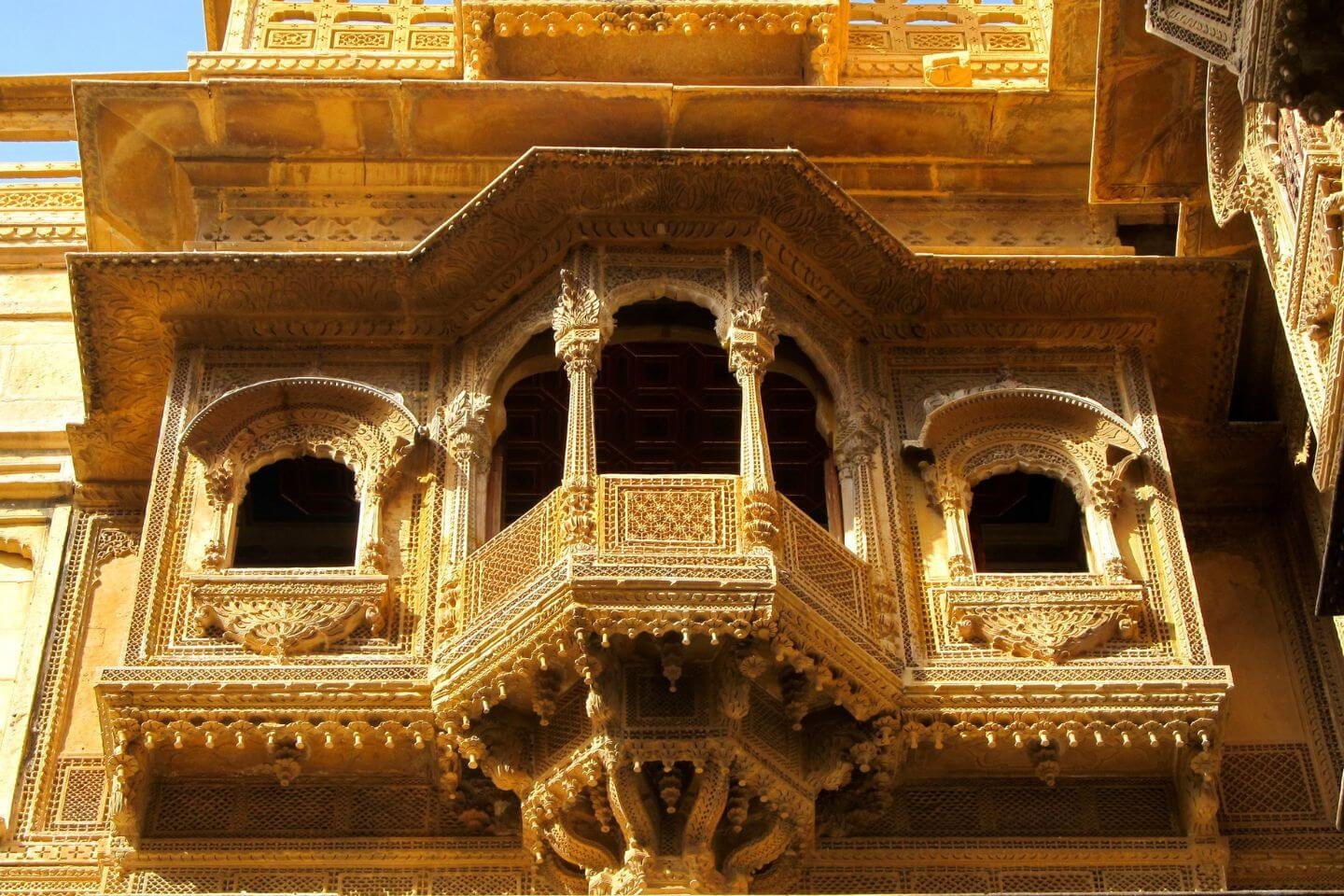
- Architecture and Texture: The narrow lanes and old havelis offer endless opportunities to play with patterns, shadows, and the rustic aesthetic of rural India.
Practical Tips for the Traveling Photographer
To ensure your gear survives the rugged conditions, always carry a high-quality dust cover or a simple cotton cloth to wrap your camera during the dusty safari drives. Rajasthan’s heat can be intense, so keeping your batteries cool and carrying spares is vital, as the cold mornings and hot days can drain power quickly. Respect the silence of the jungle; a quiet photographer is often the one who sees the most. Always prioritize the well-being of the animals over getting “the shot”—true expertise in wildlife photography is rooted in ethical observation.
Capturing Sawai Madhopur requires patience and a keen eye for detail. Whether it is the glint in a predator’s eye or the sun setting behind an ancient turret, the memories you freeze in your frame will serve as a testament to the raw, unfiltered beauty of Ranthambore. Each click tells a story of survival, heritage, and the timeless allure of the Indian wild.