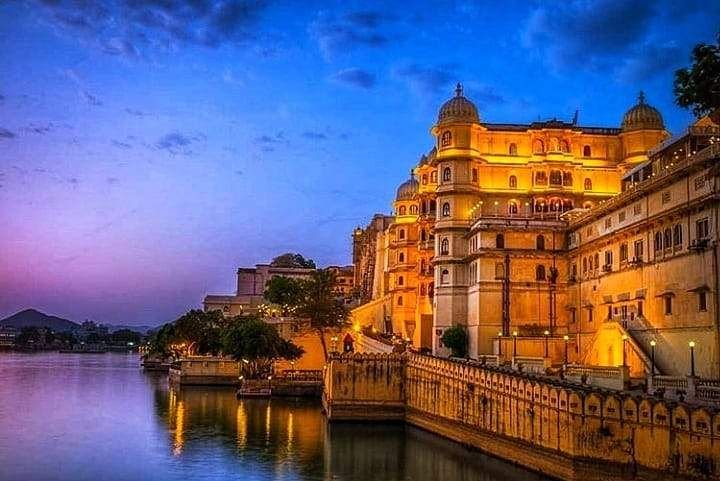
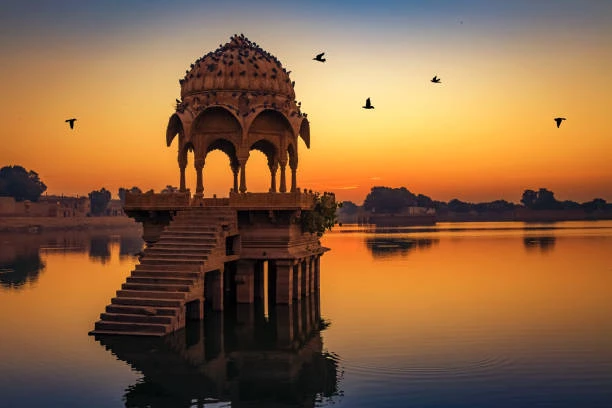
Jaisalmer is often described through postcards. Golden fort, sweeping dunes, camel silhouettes at sunset. That image is not wrong, but it is incomplete. The real Jaisalmer experience lives at the intersection of desert life, living heritage, and everyday culture. To feel it, you have to slow down, step outside fixed itineraries, and let the city show you how it actually works.
This is not a place you rush through. It is a place you settle into, even if only for a few days.
The Desert Is Not a Backdrop. It Is the Foundation
Everything in Jaisalmer begins with the desert. The Thar shapes architecture, food, clothing, and even conversation. Wide spaces demand patience. Heat demands simplicity. Silence teaches restraint.
Spending time in the desert is essential, not optional. A thoughtfully managed Jaisalmer Desert Camp gives you that connection without stripping away comfort. Staying close to the dunes lets you experience mornings with cool air and evenings where sound disappears completely. This is where the desert starts to make sense, not as scenery, but as a way of life.
Movement Through the Thar Tells a Story
The desert is not static. It shifts, breathes, and changes with light and wind. To understand its scale, a guided Jeep Safari in Jaisalmer is one of the most effective ways to explore beyond crowded stretches.
This is not about thrill for the sake of it. It is about distance and context. You see how far the horizon stretches, how settlements appear and disappear, and why trade routes once mattered here. Late afternoon safaris work best. The heat drops, colors soften, and the desert feels expansive rather than harsh.
Heritage That Still Lives, Not Just Stands
Jaisalmer’s heritage is not locked behind ropes. The fort is still inhabited. Temples are still used. Markets still serve locals, not just tourists. This continuity is rare, and it gives the city depth.
Walk inside the fort early in the morning or after sunset. You will see shopkeepers closing shutters, children returning home, and residents going about daily routines inside centuries-old walls. Heritage here is practical. It adapts. It continues.
This lived-in quality is what separates Jaisalmer from destinations that feel curated or frozen in time.
Choosing How You Stay Shapes What You Feel
Accommodation in Jaisalmer is not just about price or aesthetics. It affects your rhythm. After long walks through stone lanes and hours under the sun, rest matters.
A Luxury Tent in Jaisalmer offers space, privacy, and calm. These tents are designed to insulate you from extreme temperatures while keeping you connected to the desert environment. They work well for travelers who want to reflect at the end of the day rather than recharge hurriedly.
If you prefer a simpler setup that still respects comfort, a Deluxe Tent in Jaisalmer does the job without excess. Clean bedding, ventilation, and quiet surroundings are what matter here. The desert does not reward overdesign. It rewards functionality.
Culture Shows Up After Sunset
Daytime in Jaisalmer is about movement. Evenings are about meaning. This is when culture feels closest and least performative.
One experience that captures this balance is a Dinner on Dunes when done thoughtfully. No loud music. No packed seating. Just lantern light, simple local food, and open sky. Conversations slow down. The desert becomes present rather than impressive.
It is in these quiet moments that the culture of the region feels personal instead of staged.
Food That Reflects the Land
Desert food is practical and deeply rooted in climate. Locals prefer light meals during the day and fuller dinners once the temperature drops. Dal, rotis, and locally prepared vegetables dominate menus, not because of trend, but necessity.
Eating the way locals do helps you understand how life here adapts to scarcity and heat. Heavy meals during the day are avoided for a reason. Simple food is not a compromise here. It is wisdom passed down over generations.
Markets, Crafts, and Quiet Conversations
Jaisalmer’s markets are most honest when they are least crowded. Late afternoons, after tourist rush slows, shopkeepers become conversational rather than transactional. This is when you hear stories behind crafts instead of sales pitches.
Handicrafts here are not decorative accidents. They come from a culture that values durability, portability, and meaning. Buying fewer items with intention is better than filling bags with souvenirs.
Why Rushing Ruins the Experience
Trying to see everything in Jaisalmer is the fastest way to miss its essence. Heat, distance, and rhythm naturally demand a slower pace. Locals plan their days around this. Travelers should too.
Leave gaps in your schedule. Sit without a plan. Walk without a destination. These are not wasted hours in Jaisalmer. They are the experience.
When to Experience the Real Jaisalmer
October to March offers the most balanced conditions. Days are manageable, nights are comfortable, and desert activities feel inviting rather than exhausting. Winter evenings can get cold, but that only sharpens the contrast between day and night.
Avoid peak summer unless necessary. Extreme heat limits movement and shortens experiences.
Final Thought
The real Jaisalmer experience is not found in highlights alone. It lives in desert silence, lived-in heritage, and cultural moments that unfold slowly. When you stop trying to extract the city and start allowing it to reveal itself, Jaisalmer changes from a destination into a memory that feels grounded and honest.