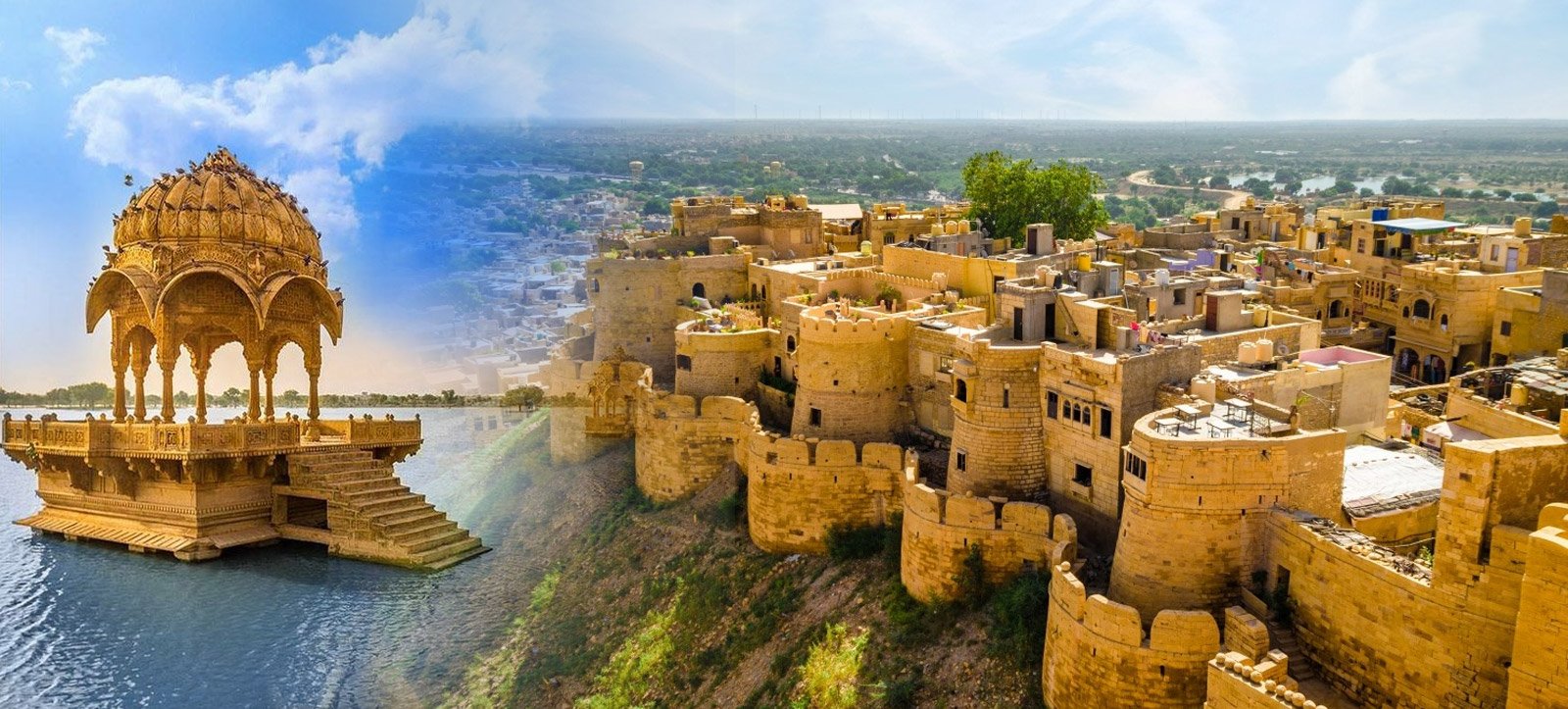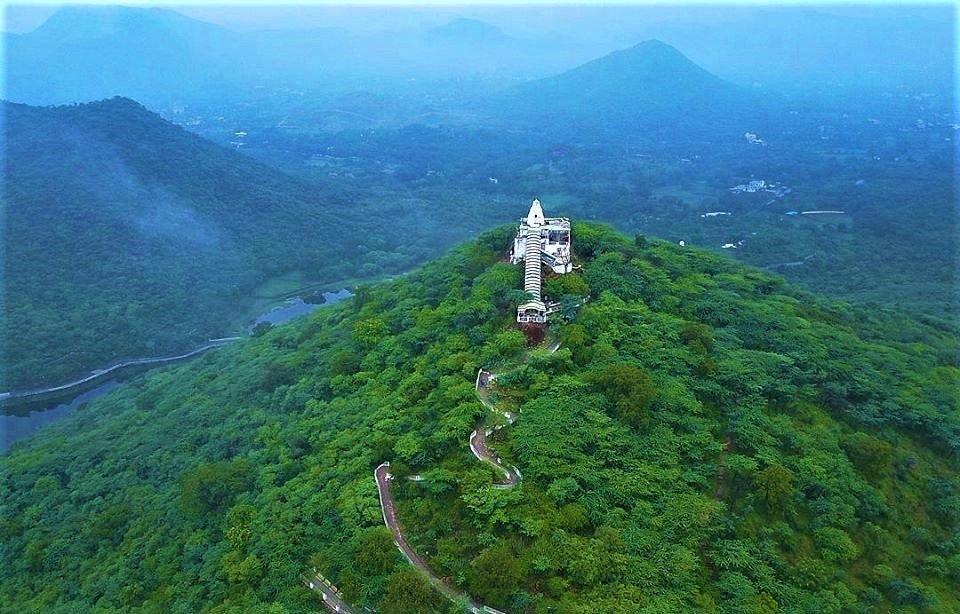
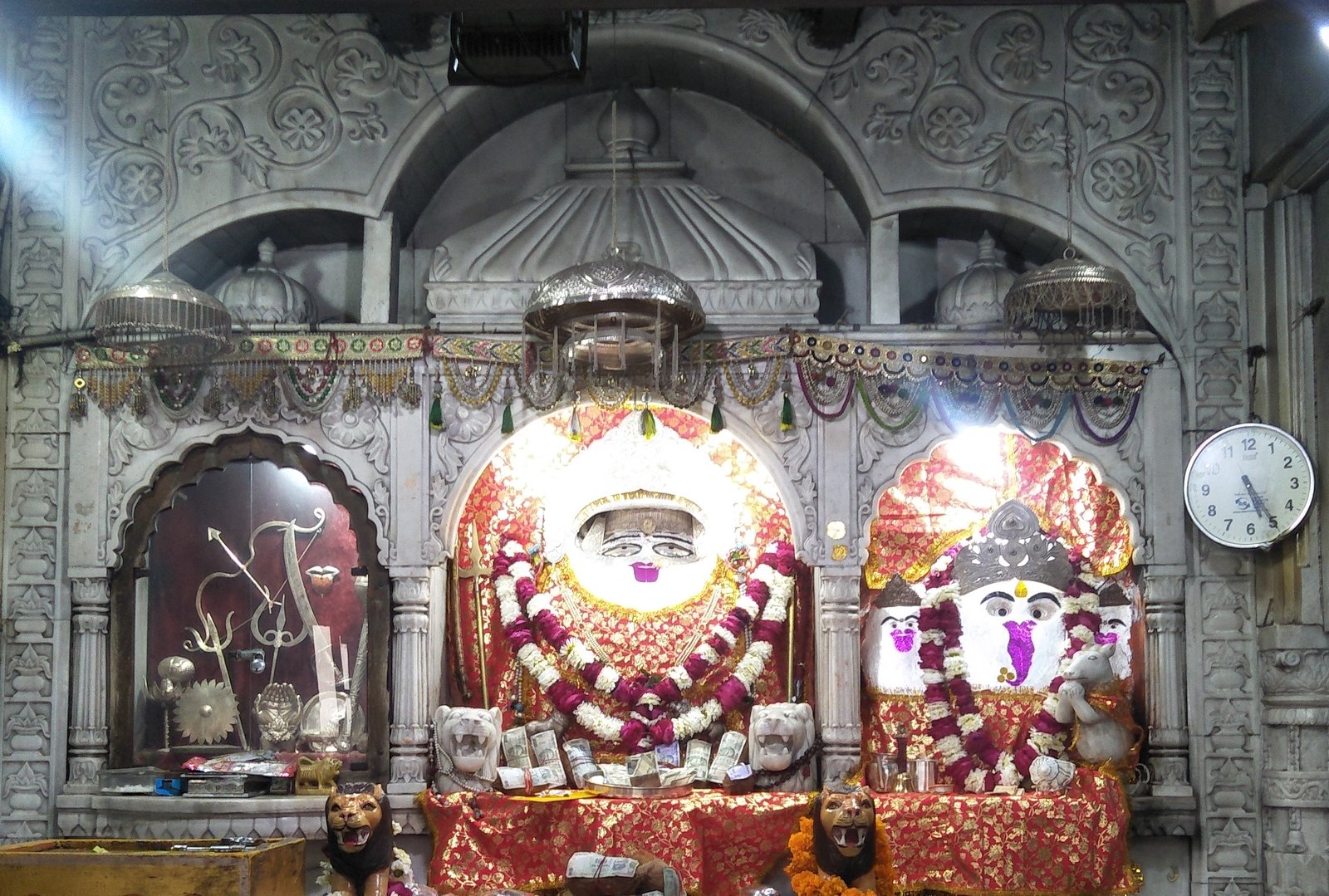
The Chauth Mata Temple in Sawai Madhopur stands as a beacon of faith and architectural heritage, perched atop a hill that offers sweeping views of the rugged Rajasthani landscape. For many travelers, a pilgrimage to this revered shrine is the primary goal, but the surrounding region holds a treasure trove of history and natural beauty. When planning your journey, staying at a comfortable resort in Ranthambore provides the perfect base to explore these nearby gems while enjoying the hospitality the region is famous for. From ancient forts to serene lakes, the area around the temple invites you to step back in time and immerse yourself in the royal legacy of Rajasthan.
Ranthambore Fort: A UNESCO World Heritage Site
Just a short drive from the temple lies the formidable Ranthambore Fort. This 10th-century marvel is a testament to the strategic brilliance of the Chauhan dynasty. As you climb its massive ramparts, you are greeted by the sight of ancient temples, grand gates, and the ruins of palaces that once echoed with the footsteps of kings. The fort is not just a historical site; it is a living ecosystem where langurs play among the stones and eagles soar overhead. The panoramic view of the national park from the top is unparalleled, making it a must-visit for history buffs and photographers alike.
The Majestic Ranthambore National Park
While the temple offers spiritual solace, the nearby National Park offers a different kind of awe. Known globally for its thriving tiger population, the park is a mosaic of dry deciduous forests and grassy meadows. Taking a safari here allows you to witness the Royal Bengal Tiger in its natural habitat, alongside leopards, sloth bears, and striped hyenas. The park surrounds the fort, creating a unique blend of heritage and wilderness that is rare to find elsewhere. It is one of the most significant Places to Visit in Ranthambore for anyone looking to connect with the raw power of nature.
Padam Talao: The Lake of Water Lilies
Located within the National Park vicinity, Padam Talao is the largest lake in the area. In the early morning hours, the lake is often covered with beautiful water lilies, giving it its name. On its banks sits the stunning Jogi Mahal, a red sandstone forest rest house. This spot is a favorite for wildlife sightings, as many animals come down to the water’s edge to drink during the heat of the day. The reflection of the Ranthambore Fort in the calm waters of Padam Talao creates a postcard-perfect scene that captures the essence of Rajasthan’s quiet beauty.
Exploring the Local Culture: Sawai Madhopur City
Beyond the wilderness and the temples, the local town offers a glimpse into the daily lives of the people of Rajasthan. There are various Things to Do in Sawai Madhopur that allow travelers to engage with local traditions. You can visit the local markets to shop for traditional Rajasthani handicrafts, including silver jewelry, block-printed textiles, and the famous Ranthambore perfume. The town is also known for its vibrant street food, where you can savor authentic kachoris and mirchi vadas, providing a spicy kick to your cultural exploration.
Rajiv Gandhi Regional Museum of Natural History
For those traveling with family or individuals interested in biodiversity, this museum is a hidden gem. It is one of the four regional museums of natural history in India and focuses on the flora, fauna, and geology of the western region. The exhibits are educational and well-maintained, offering deep insights into the conservation efforts required to protect the tiger and its habitat. It serves as an excellent educational stop before or after your safari, helping you appreciate the delicate balance of the Ranthambore ecosystem.
Khandar Fort: The Unconquerable Bastion
Located about 40 kilometers from the Chauth Mata Temple, Khandar Fort is an impressive structure that often sees fewer crowds than Ranthambore. This “unconquerable” fort is situated on a vertical hill and features several ancient temples and water tanks within its walls. The trek up to the fort is moderately challenging but rewarding, as it offers a sense of solitude and a deeper connection to the medieval history of the Mewar rulers. The silence of the ruins here provides a stark, beautiful contrast to the bustling pilgrimage sites nearby.
Rameshwaram Ghat: The Confluence of Rivers
A bit further away but worth the trip is Rameshwaram Ghat, located at the confluence of the Banas and Chambal rivers. This spot is considered sacred and features a beautiful temple dedicated to Lord Shiva. It is a peaceful location, ideal for those looking to escape the typical tourist circuits. The area is also known for sightings of the rare Gharial (crocodile) and various species of migratory birds that flock to the riverbanks during the winter months. It is a serene conclusion to a journey that begins with the heights of the Chauth Mata Temple.
Planning Your Visit to the Region
To truly experience the magic of these locations, it is best to visit between October and March when the weather is pleasant. During these months, the greenery is lush after the monsoon, and the wildlife is more active. Whether you are seeking the spiritual energy of the Chauth Mata Temple or the adrenaline of a tiger safari, the area surrounding Sawai Madhopur offers a comprehensive travel experience. By staying at Ranthambore Tiger Resort, you ensure that your adventure is complemented by warm service and authentic local flavors, making your trip to Rajasthan truly unforgettable.