
Jodhpur, the legendary Blue City, stands as a testament to the raw courage and architectural brilliance of the Rathore clan. Stepping into this sun-drenched landscape feels like walking through a living museum where every sandstone block tells a story of valor, trade, and artistic refinement. To truly appreciate the soul of Rajasthan, engaging a reliable taxi service in jodhpur is the most practical way to navigate the sprawling heritage sites that define the Marwar region. From the towering heights of Mehrangarh to the serene cenotaphs of Jaswant Thada, the city offers a deep dive into an era of kings and legends.
Mehrangarh Fort: The Citadel of the Sun
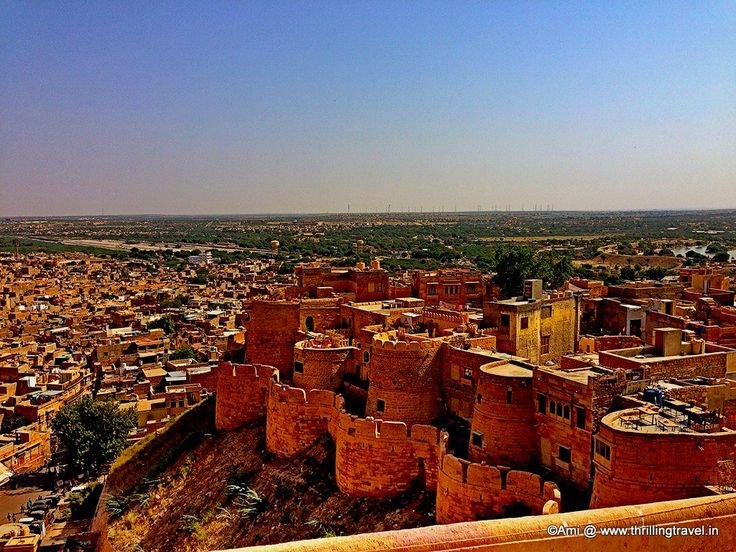
Dominating the skyline from a perpendicular cliff, Mehrangarh Fort is arguably the most magnificent fortification in India. Built around 1459 by Rao Jodha, the founder of Jodhpur, this citadel was never taken by force. Its massive walls, which rise up to 36 meters in some places, enclose a series of courtyards and palaces that showcase the pinnacle of Rajput architecture. As you enter through the Jai Pol or the Fateh Pol, you can still see the symbolic handprints of the queens who committed sati, a sobering reminder of the intense history held within these walls.
The museum within the fort is world-class, housing an incredible collection of palanquins, royal cradles, miniature paintings, and armory. Walking through the Moti Mahal (Pearl Palace) with its gold-leaf ceiling or the Phool Mahal (Flower Palace), which served as a private chamber for royal entertainment, allows visitors to witness the opulent lifestyle of the Marwar rulers. The panoramic view from the ramparts, where the indigo-colored houses of the old city stretch out like a blue sea, is a highlight of any Jodhpur sightseeing tour. The strategic design of the fort, with its winding paths meant to slow down invading elephants, reflects the military genius of the Rathore dynasty.
Jaswant Thada: The Milky White Memorial
A short distance from the bustling fort lies the Jaswant Thada, often referred to as the ‘Taj Mahal of Marwar.’ This cenotaph was built by Maharaja Sardar Singh in 1899 in memory of his father, Maharaja Jaswant Singh II. Unlike the rugged sandstone of the fort, this memorial is constructed from thin, polished sheets of white marble that emit a warm glow when hit by the sunlight. It serves as a peaceful retreat, surrounded by tiered gardens and a small lake that reflects the intricate carvings of the marble structure.
The site is not just a memorial but a gallery of Marwar’s royal lineage, featuring portraits of the various rulers of Jodhpur. The intricate lattice work (jali) on the marble screens is exceptionally delicate, showcasing the craftsmanship that flourished under royal patronage. Visiting Jaswant Thada provides a moment of quiet reflection, contrasting the grand scale of the fort with intimate, soulful artistry. It is an essential stop for those looking for historical depth and architectural beauty in a single location.
Mandore Gardens: The Ancient Capital
Before Jodhpur became the seat of power, Mandore served as the capital of the Marwar kingdom. Today, the Mandore Gardens house the ‘Dewals’ or cenotaphs of Jodhpur’s former rulers. Unlike the traditional umbrella-shaped chhatris found elsewhere in Rajasthan, these cenotaphs are built in the style of Hindu temples, with four stories and elegant spires carved from dark red sandstone. The most impressive is the dewal of Maharaja Ajit Singh, which stands as a monumental example of early Marwar architecture.
The gardens also feature the ‘Hall of Heroes,’ dedicated to various deities and local folk heroes. Here, sixteen colossal figures have been carved out of a single natural rock wall and painted in vibrant colors. The lush greenery of the gardens, populated by playful langurs, provides a stark, beautiful contrast to the surrounding desert landscape. Exploring Mandore gives travelers a sense of the continuity of history, moving from the ancient roots of the kingdom to the later grandeur of the Blue City. It remains one of the most culturally significant Things to Do in Jodhpur for history enthusiasts.
The Living Legacy of Marwar
Jodhpur is more than just a collection of monuments; it is a place where history is breathed every day. The descendants of the craftsmen who built these forts still live in the narrow winding lanes of the old city, and the traditional bazaars like Sardar Market continue to thrive under the shadow of the Ghanta Ghar (Clock Tower). By visiting these three iconic sites, travelers gain a comprehensive understanding of the Marwar spirit—a blend of fierce independence and a sophisticated appreciation for the arts.
Whether you are admiring the heavy cannons atop Mehrangarh or the delicate marble finials of Jaswant Thada, the narrative of the Rathores remains ever-present. Each site offers a unique perspective on how this desert kingdom survived and flourished through centuries of change. The architectural diversity, from the rugged defense of the fort to the spiritual elegance of the cenotaphs, ensures that every visitor leaves with a profound respect for the heritage of Rajasthan. Exploring these landmarks provides a timeless journey into the heart of India’s royal past.