
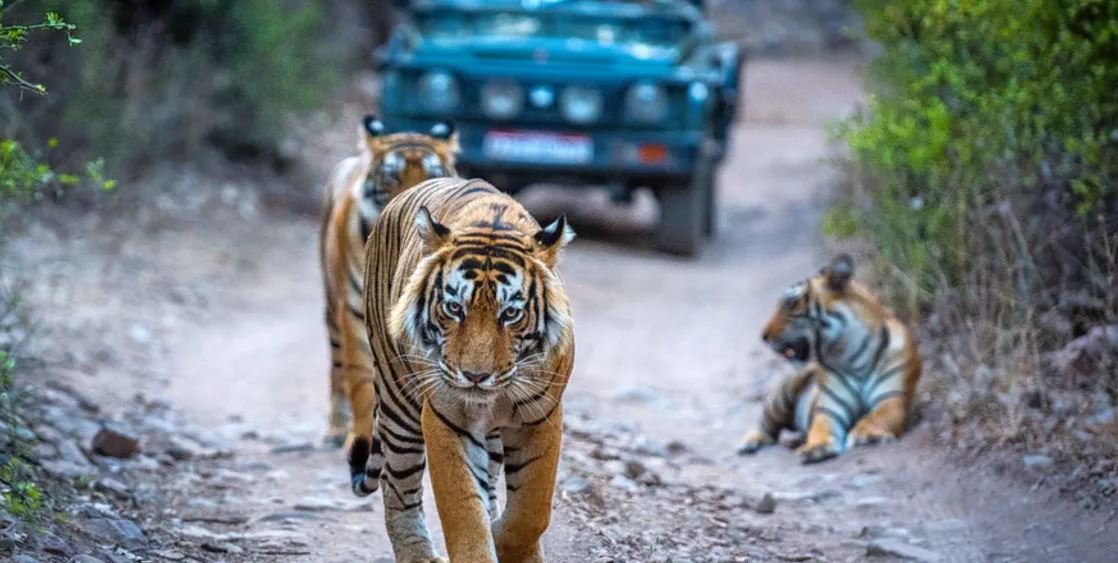
Embarking on a Jaipur to Ranthambore road trip offers travelers a remarkable transition from the royal heritage of Rajasthan’s capital to the untamed wilderness of one of India’s most famous national parks. This route is not just a straightforward drive; it is a cultural and natural corridor filled with fascinating stops, wildlife opportunities, and historical landmarks. Whether you are a wildlife enthusiast eager to spot the elusive Bengal tiger or a history buff exploring ancient ruins, the sightseeing options between these two destinations are diverse and engaging. Furthermore, planning this itinerary properly ensures that you experience the rich geographical diversity of the region, shifting seamlessly from bustling cityscapes to tranquil tiger territory.
Essential Travel Tips and Route Overview
The distance between the Pink City and the tiger reserve is approximately 150 to 190 kilometers, depending on the exact route taken, usually requiring a drive of about three to four hours. The most popular and well-maintained path takes you via Tonk, providing smooth roads and glimpses of rural Rajasthani life. Bringing along plenty of water, wearing comfortable clothing, and ensuring your vehicle is ready for highway travel are essential first steps for this expedition. Establishing a solid travel plan enhances safety and guarantees a trustworthy and enjoyable experience for all passengers. Moreover, understanding the local terrain and travel times is a crucial aspect of responsible trip management.
Cultural Stops: The Historic Town of Tonk
Often referred to as the Lucknow of Rajasthan, Tonk is a highly recommended sightseeing stop located right on the highway route. This town boasts a rich architectural heritage with strong Mughal influences. You can stretch your legs and explore the Sunehri Kothi, widely known as the Golden Mansion. Although it appears modest from the outside, the interior is adorned with stunning gold leaf work, intricate glass murals, and spectacular enameling. Stopping here adds a layer of deep historical appreciation to your wildlife trip, showcasing the diverse expertise of ancient artisans and providing a perfect mid-journey resting point.
Arriving at the Wilderness: Ranthambore National Park
The primary attraction of your journey is, without a doubt, the national park itself. Known globally for its thriving tiger population, the park offers an unparalleled wildlife experience. To maximize your chances of witnessing tigers, leopards, and diverse bird species in their natural habitat, guided tours are strictly enforced. Booking a Canter Safari in Ranthambore is an excellent choice for families and larger groups wanting a higher vantage point while traversing the rugged jungle terrain. Led by expert naturalists and experienced drivers, these open-air vehicles operate in specific zones designed to control human impact while offering optimal wildlife viewing opportunities. Ensuring your wildlife excursions are booked well in advance through official channels is a vital step in authoritative travel planning.
Historical Marvels: Exploring Ranthambore Fort
Situated majestically within the national park boundaries, the Ranthambore Fort is a UNESCO World Heritage site that demands a visit. Dating back to the tenth century, the fort provides a panoramic, sweeping view of the entire jungle canopy below. Visitors must climb a series of steep steps, but the reward at the top is exceptional. The juxtaposition of ancient stone ruins against the backdrop of raw wilderness creates an atmosphere of profound historical authority and natural wonder.
Key Sightseeing Attractions Around the Reserve
In addition to the main jungle safaris and historical forts, the surrounding area offers several specific points of interest that enrich the overall itinerary:
- Wildlife Spotting at Surwal Lake: This shallow, seasonal lake serves as a haven for bird watchers. Visiting during the early morning hours offers the chance to spot beautiful migratory birds in a highly serene environment.
- Photography at Padam Talao: As the largest lake inside the park, it is famous for the picturesque Jogi Mahal situated on its edge. During the right season, the lake is blanketed with beautiful water lilies, creating perfect photographic opportunities.
- Spiritual Visits to Trinetra Ganesh Temple: Located within the fort complex, this is considered one of the oldest temples dedicated to Lord Ganesha in Rajasthan, drawing thousands of devotees annually and adding a spiritual dimension to the excursion.
Finding the Perfect Accommodation
After a long day of travel, exploring historical forts, and bouncing along jungle tracks on safari, securing a comfortable and reliable place to rest is paramount. Your choice of lodging can significantly influence your overall experience. Selecting the best resort in Ranthambore ensures you are provided with top-tier hospitality, secure environments, and amenities that allow you to rejuvenate for the next day’s adventures. A premium stay at Ranthambore Tiger resort will complement your rugged outdoor excursions with plush comfort, authentic local dining, and exceptional customer service, ultimately making your trip memorable.
Maximizing Your Rajasthan Wildlife Experience
To truly benefit from this itinerary, travelers should approach the region with respect for local guidelines and a keen desire to learn. Engage with local guides, ask questions about the local flora and fauna, and prioritize eco-friendly travel practices. Your journey from the bustling streets of the capital to the heart of tiger country is more than just a vacation; it is an immersive educational experience. By balancing historical sightseeing with ethical wildlife tourism, you contribute to the ongoing preservation of Rajasthan’s incredible natural heritage. Ultimately, following these detailed recommendations ensures a highly authoritative, safe, and enriching travel experience.