
Planning a trip to the Golden City requires a blend of historical exploration and the raw, untouched beauty of the Thar Desert. As a premier travel agency in rajasthan, we have spent years guiding travelers through the narrow alleys of the Living Fort and the vast sand dunes to ensure an experience that is both authentic and seamless. This 3-day itinerary is designed to help you navigate Jaisalmer like a seasoned traveler, balancing iconic landmarks with offbeat adventures while keeping your budget in check. Jaisalmer is not just a destination; it is a step back in time, and with the right planning, you can witness the majesty of the “Sonar Quila” without the stress of overspending or missing out on hidden gems.
Day 1: Exploring the Living Fort and Heritage Havelis
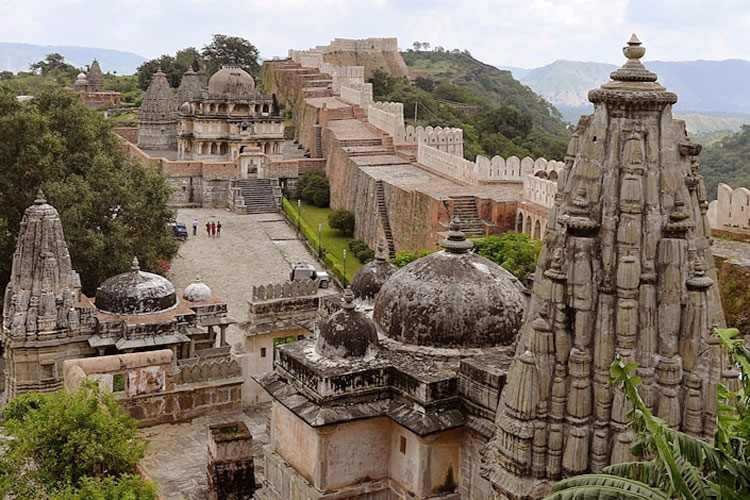
Your journey begins at the Jaisalmer Fort, one of the very few “living” forts in the world where nearly a quarter of the old city’s population still resides. Unlike other forts that serve as museums, this sandstone marvel is a thriving ecosystem of homes, shops, and ancient temples. Start your morning early to beat the crowds and walk through the four massive gates—Akhai Pol, Ganesh Pol, Suraj Pol, and Hawa Pol. Inside, the Jain Temples, dating back to the 12th and 15th centuries, showcase some of the most intricate stone carvings in India. The craftsmanship is so delicate that the stone almost looks like ivory. After exploring the fort, head toward the famous Patwon Ki Haveli. This is actually a cluster of five small havelis and is the largest and most ornate in Jaisalmer. For those looking for a comprehensive Jaisalmer Sightseeing tour, combining the fort with the Gadisar Lake for a sunset boat ride is the perfect way to conclude your first day. Gadisar Lake was once the sole water source for the city and is surrounded by beautiful shrines and ghats that glow brilliantly as the sun goes down.
Day 2: Desert Magic and the Non-Touristic Experience
On the second day, leave the city walls behind for the vastness of the Thar. While many tourists flock to Sam Sand Dunes for loud music and commercial camps, we recommend a more soulful approach. If you want to escape the crowds and see the desert in its purest form, an Overnight Non Touristic Safari Jaisalmer is the way to go. This experience takes you deep into the dunes, far from the generator noises and neon lights. You can enjoy a slow camel trek as the shadows lengthen across the sand, followed by a traditional meal cooked over an open fire by local guides. Sleeping under a canopy of a million stars without the barrier of a tent is a humbling experience that defines the true spirit of Rajasthan. Before heading to the dunes, stop by Kuldhara, the abandoned “ghost village.” Legend has it that the Paliwal Brahmins cursed the village as they fled overnight to protect their honor, leaving behind stone shells of houses that still stand today. It provides a hauntingly beautiful contrast to the lively city you explored on Day 1.
Day 3: Local Markets and Hidden Architectural Gems
Spend your final day soaking in the local culture through the bustling markets and lesser-known structures. Visit the Bada Bagh, a garden complex housing cenotaphs (chhatris) of the Maharajas of Jaisalmer. The site is particularly stunning in the morning light, offering a peaceful atmosphere for photography. Afterward, head back to the city center for some souvenir shopping. Jaisalmer is famous for its leather goods made from camel hide, intricate silver jewelry, and “Pattu” weaving. Markets like Sadar Bazaar and Bhatia Bazaar are perfect for finding authentic handicrafts. For lunch, try local Rajasthani delicacies like Ker Sangri and Gatte ki Sabzi at a rooftop restaurant overlooking the fort. If time permits, visit the Vyas Chhatri, dedicated to the sage Vyas who wrote the Mahabharata. It serves as a sunset point and offers a panoramic view of the golden city. This final day is about slowing down and reflecting on the golden hues and warm hospitality that make this region so unforgettable before you head to your next destination.
Budget Tips for a Smart Trip
- Transportation: While private taxis are comfortable, using auto-rickshaws for short distances within the city can save a significant amount. If you are arriving by train, most hostels and hotels offer free pickups if informed in advance.
- Dining: Stick to “Bhojnalayas” or rooftop cafes inside the fort for affordable yet delicious meals. Street food like Poha and Mirchi Bada near the fort gates is both cheap and authentic.
- Entry Fees: Many monuments have separate charges for cameras. Use your smartphone to save on these extra costs. If you are a student, always carry your ID card for substantial discounts on entry tickets.
- Off-Season Travel: Visiting during the shoulder months (September or March) can cut your accommodation costs by nearly 40% compared to the peak December season.
Stay Tips: Choosing Your Golden Abode
- Inside the Fort: Staying inside the fort is a unique experience, but keep in mind that the infrastructure is fragile. Choose eco-conscious guesthouses that respect the heritage structure. It’s perfect for those who want to wake up to the sound of temple bells.
- Outside the Fort: For better amenities like swimming pools and spacious rooms, look for heritage hotels located just outside the fort walls. You get the best views of the fort “glowing” at night from these locations.
- Desert Stays: For the desert night, opt for mobile camping or small-scale eco-resorts rather than large commercial hubs. This ensures a quieter environment and a more personal connection with the local desert folk.
- Booking: Always book your desert safari directly through reputable local providers rather than middlemen at the railway station to ensure you get exactly what was promised.