Introduction: Culture Is the Real Heart of Jaisalmer
Jaisalmer is often admired for its golden fort and sweeping sand dunes, but its true identity lives in culture. History here is not locked inside museums. It breathes through traditions, music, festivals and everyday life. A meaningful cultural tour requires time, context and thoughtful planning, which is why experienced Hospitality Services in Jaisalmer play such a critical role in shaping how visitors connect with the city beyond surface-level sightseeing.
This guide explores Jaisalmer as a cultural destination, focusing on history, living traditions and vibrant festivals.
Historical Roots of the Golden City
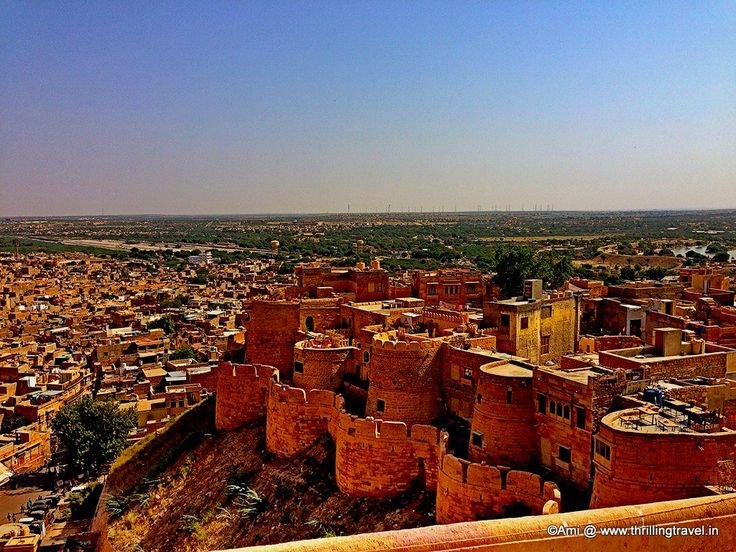
Founded in the 12th century, Jaisalmer grew as a strategic trading hub along ancient caravan routes. The city’s prosperity came from commerce between India, Central Asia and the Middle East. This history is most visible at Jaisalmer Fort, which still houses families, temples and shops inside its massive walls.
Unlike abandoned forts elsewhere, this one continues to function as a living space. Walking through its lanes reveals how history and daily life coexist, offering insight into centuries of desert resilience and trade-driven growth.
Traditions That Continue Daily
Traditions in Jaisalmer are not preserved for performance alone. They are part of routine life. Clothing styles, jewelry, music and food reflect desert conditions and community values shaped over generations.
Local crafts such as leatherwork, embroidery and stone carving remain important livelihoods. Visiting local markets and artisan workshops shows how skills are passed down within families. These traditions survive because they adapt, not because they remain frozen in time.
Folk Music and Dance as Storytelling
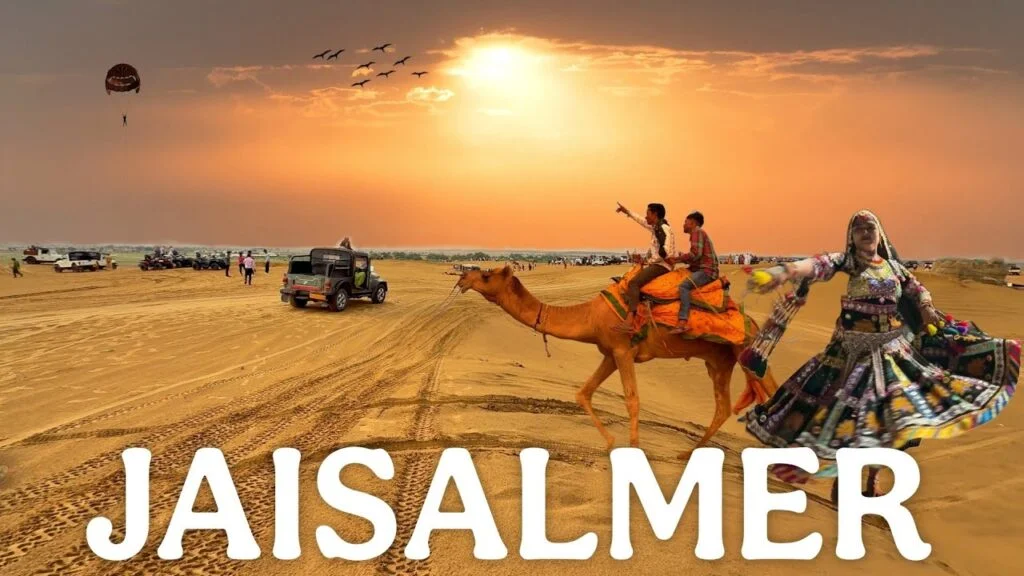
Music and dance in Jaisalmer are deeply narrative. Folk songs often tell stories of migration, love, war and survival in the desert. The famous Kalbeliya dance, performed traditionally by women, reflects movement inspired by nature and daily life.
Cultural evenings allow travelers to experience these art forms, but the quality varies. Smaller, well-curated programs feel more intimate and authentic, especially when artists explain the meaning behind their performances.
Festivals That Define the Cultural Calendar
Festivals are when Jaisalmer’s culture becomes most visible. The Desert Festival, usually held in winter, brings together music, dance, camel shows and local competitions. It is a celebration of desert identity rather than a staged spectacle.
Religious festivals are equally important. They are observed with rituals, processions and community gatherings that reflect spiritual life in the region. Experiencing festivals respectfully offers a deeper understanding of local values and social bonds.
Cultural Experiences Beyond Performances
A cultural tour does not have to revolve only around events. Early mornings at Gadisar Lake, village visits or shared meals prepared using traditional methods often leave a stronger impression than formal shows.
These quieter moments reveal how culture is lived rather than displayed. They also require flexible planning, something that structured hospitality experiences naturally account for.
Culture Meets Adventure in the Desert
Jaisalmer’s culture is inseparable from its landscape. Desert life shapes customs, food and social structure. Adventure Activities in Jaisalmer such as guided desert walks, camel safaris and stargazing experiences allow travelers to understand this connection firsthand.
When managed responsibly, adventure becomes an extension of cultural exploration rather than a distraction. The focus remains on understanding the desert, not overpowering it.
Cultural Tours for Groups and Events
Jaisalmer is increasingly chosen for cultural retreats, destination weddings and corporate offsites. These gatherings often incorporate heritage walks, folk performances and local cuisine into their programs. A professional Corporate Event Planner in Jaisalmer ensures these cultural elements are integrated thoughtfully without turning them into clichés.
Even individual travelers benefit from this growing expertise, as it raises the overall standard of cultural experiences available in the city.
Best Time for a Cultural Tour
October to March is the ideal period for cultural exploration. The weather supports outdoor activities, festivals and village visits. Summers are harsh and limit the depth of cultural engagement, especially during daytime.
Planning around festival dates adds richness to your trip, but also requires advance arrangements due to increased demand.
Final Thoughts
A cultural tour of Jaisalmer is about understanding how people have lived, adapted and celebrated life in one of India’s most challenging landscapes. History provides context, traditions give continuity and festivals bring collective expression.