Jaisalmer, often referred to as the Golden City, is a mesmerizing blend of history, culture, and golden sandstone architecture. When planning your journey through this desert jewel, partnering with a reliable Jaisalmer travel agency ensures you don’t miss the subtle nuances that make this city extraordinary. From the tranquil waters of man-made lakes to the bustling energy of ancient markets, Jaisalmer offers an immersive experience that feels like stepping back in time. This guide explores two of the most essential aspects of any Jaisalmer itinerary: the serene Gadisar Lake and the vibrant local shopping scene.
The Serenity of Gadisar Lake
Located on the outskirts of the main city, Gadisar Lake is more than just a water body; it is a testament to the ingenuity of the people of Rajasthan. Built in the 14th century by Maharawal Gadsi Singh, it was once the only source of water for the entire city. Today, it stands as a peaceful retreat for travelers and locals alike.
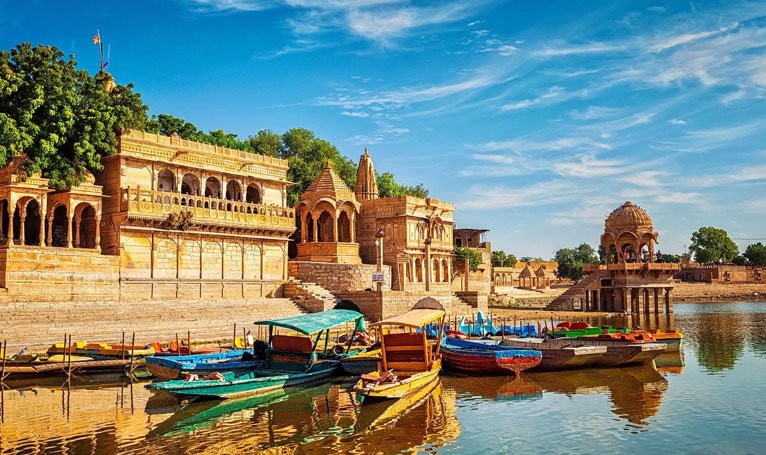
Approaching the lake, you are greeted by the Tilon-Ki-Pol, a magnificent yellow sandstone gateway that arches over the entrance. Legend has it that the gate was built by a royal courtesan, and its intricate carvings set the stage for the beauty that lies beyond. As you stroll along the banks, you will find several small temples and shrines dedicated to various deities, their reflections shimmering on the water’s surface during the golden hour.
For a truly immersive experience, many visitors choose to hire a cab service in jaisalmer to arrive early in the morning when the air is cool and the lake is frequented by migratory birds. Boating is a popular activity here, allowing you to view the surrounding ghats and the majestic Jaisalmer Fort from a unique perspective. The gentle lapping of the water against the boat and the distant sound of folk music from local buskers create a soulful atmosphere that defines the Rajasthani spirit.
Historical Significance and Architecture
Understanding the Gadisar lake Jaisalmer legacy requires looking beyond its aesthetic appeal. The lake was designed with a sophisticated rainwater harvesting system, collecting every drop from the surrounding desert terrain to sustain the population during harsh summers. The artistically carved chhatris (cenotaphs) that appear to float in the middle of the lake served as resting places and vantage points for the royalty.
The architecture here mirrors the craftsmanship found in the fort’s havelis. The stone filigree work on the surrounding structures is exceptionally fine, showcasing the skills of the “Silavats” or stone carvers of the era. Visiting during sunset is highly recommended, as the sandstone structures turn a fiery orange, reflecting the true essence of the Golden City.
Navigating the Vibrant Markets of Jaisalmer
After finding peace at the lake, the natural next step is to dive into the vibrant chaos of Jaisalmer’s markets. Shopping in Jaisalmer is an adventure for the senses, where the smell of leather and spices mingles with the sight of brilliant textiles and shimmering jewelry.
The local bazaars are famous for several traditional crafts that have been passed down through generations. To get the best out of your shopping trip, focus on these key areas:
- Sadar Bazaar: This is the heart of the city’s commercial life. It is the best place to find authentic leather goods, particularly bags and footwear made from camel leather. The leather is known for its durability and often features traditional embroidery.
- Pansari Bazaar: If you are looking for local flavors, this is the spot. Here, you can find various Rajasthani spices, dried desert beans (Ker Sangri), and traditional handicrafts. It is one of the oldest markets in the city, retaining its rustic charm.
- Manak Chowk: Located just outside the fort, this market is ideal for finding ethnic jewelry, silver ornaments, and intricately carved wooden items. It is a great place to pick up souvenirs that represent the local Rajasthani culture.
What to Buy in the Golden City
The craftsmanship in Jaisalmer is unique even within the context of Rajasthan. When browsing the stalls, keep an eye out for these signature items:
Embroidered Textiles: Jaisalmer is famous for its “Kanthas” and patchwork quilts. These textiles often feature mirror work and vibrant threads, telling stories of desert life. You will also find beautiful “Bandhani” or tie-dye fabrics that are synonymous with the region.
Camel Leather Products: From journals and wallets to the famous “Jutis” (traditional shoes), camel leather is a staple here. The leather is treated naturally and becomes softer with age, making it a favorite among international tourists.
Yellow Sandstone Handicrafts: Since the entire city is built of this stone, local artisans create incredible miniature replicas of the fort, intricately carved plates, and decorative bowls. These items are heavy but serve as a permanent piece of Jaisalmer’s soul in your home.
Fossil Stone (Habur Stone): Found in the village of Habur near Jaisalmer, this unique stone is said to have medicinal properties and the ability to turn milk into curd without any starter culture. It is dark chocolate in color and often used to make beautiful glasses and decorative pieces.
Tips for an Authentic Experience
To shop like a local and ensure you are getting quality products, it helps to keep a few things in mind. First, don’t be afraid to engage in friendly bargaining. It is a standard part of the shopping culture in Rajasthan, and most shopkeepers expect it. Second, look for government-authorized emporiums if you are purchasing high-value items like antique jewelry or expensive textiles to ensure authenticity.
The best time to explore the markets is in the late afternoon when the heat of the sun begins to fade. This allows you to walk comfortably through the narrow lanes of the old city. Many shops are family-owned, and the owners are often happy to share the history behind the items they sell, adding a layer of personal connection to your purchases.
Combining a visit to the tranquil Gadisar Lake with a bustling shopping excursion provides a balanced view of Jaisalmer. One offers a look into the historical engineering and spiritual calm of the desert, while the other connects you to the living, breathing economy and artistic heritage of its people. By taking the time to explore both, you carry back more than just photographs; you take home a piece of the Rajasthani way of life.