Jaisalmer isn’t a place you “cover.” It’s a place you experience slowly. The Golden City sits deep in the Thar Desert, shaped by centuries of trade, survival, and storytelling. What makes it special isn’t just the fort or the sand dunes. It’s how culture, food, and adventure blend naturally into daily life.
If you’re planning a trip and want more than basic sightseeing, this guide will help you experience Jaisalmer the right way.
Culture in Jaisalmer: Still Alive, Not Preserved
Culture in Jaisalmer doesn’t live in museums. It lives in homes, music, clothing, and everyday routines.
Walking Through a Living Fort
Jaisalmer Fort is one of the few living forts in the world. Families still live inside it, temples are active, and small shops run as they have for generations. Walking through the fort lanes is less about monuments and more about observing life inside ancient walls.
Go early in the morning when the light is soft and the streets are quieter. You’ll notice carved balconies, old doors, and narrow lanes designed to protect residents from desert heat.
Folk Music and Dance
Rajasthani folk music reflects desert life. Songs are about migration, drought, love, and resilience. When experienced in the right setting, it feels personal rather than staged.
A well-organized desert evening usually includes live folk music and dance, performed by local artists. Choosing a reliable Desert Camp in Jaisalmer ensures the experience focuses on authenticity instead of loud entertainment.
Food in Jaisalmer: Simple, Local, and Purposeful
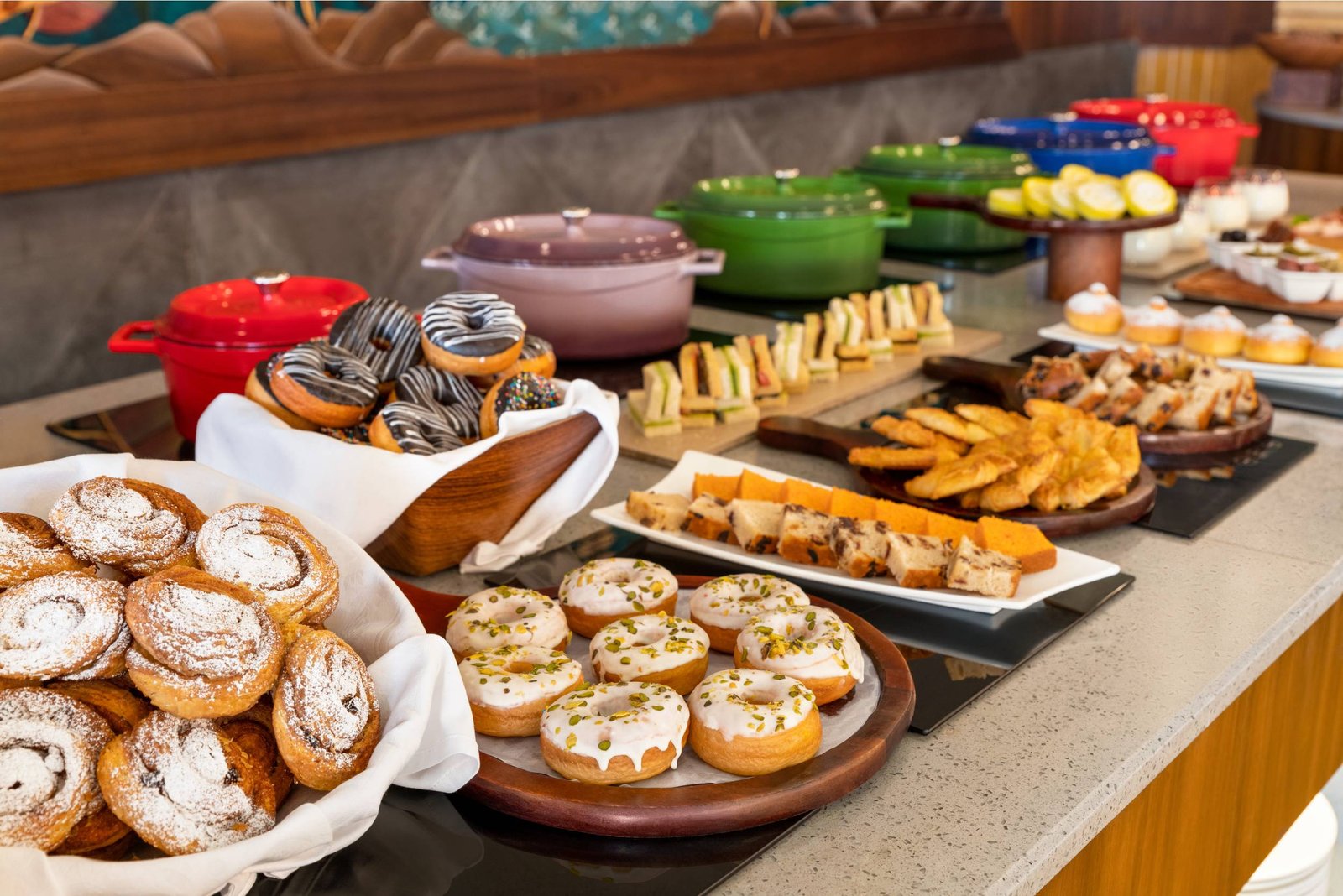
Jaisalmer’s food culture is shaped by scarcity and climate. Meals are designed for energy, preservation, and nourishment rather than variety.
Must-Try Local Dishes
- Dal Baati Churma
- Ker Sangri
- Bajra roti
- Gatte ki sabzi
- Laal Maas (non-vegetarian)
- Ghotua laddoos
These dishes use ingredients that survive desert conditions. Eating them gives insight into how people have lived here for centuries.
Where to Eat
Rooftop cafés near the fort are great for views, but don’t rely only on popular spots. Smaller family-run places often serve better food with fewer crowds.
Eat slow. Food in Jaisalmer isn’t rushed.
Markets: Culture You Can Take Home
Shopping in Jaisalmer is part of cultural exploration. Markets aren’t just tourist zones. They’re social spaces.
Look for:
- Camel leather bags, belts, diaries
- Mirror-work and patchwork textiles
- Silver and tribal jewellery
- Handcrafted decor and lanterns
Walk through Sadar Bazaar, Manak Chowk, and inner fort lanes. Compare prices and bargain politely. The goal isn’t cheap shopping. It’s meaningful shopping.
Adventure in Jaisalmer: Desert With an Edge
The desert around Jaisalmer isn’t passive scenery. It invites movement, exploration, and adventure.
Desert Adventures Worth Trying
- Jeep safari across dunes
- Quad biking
- ATV rides
- Parasailing
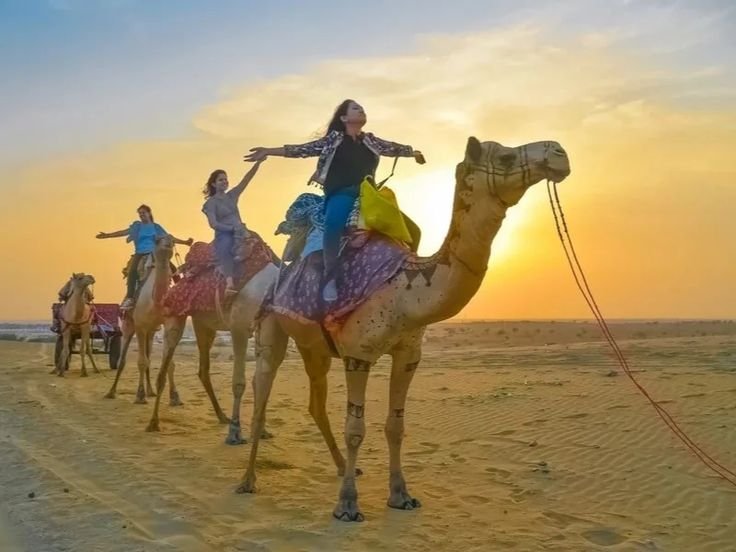
- Camel safari
These activities work best when done in the right season and with proper operators. Instead of booking randomly at the dunes, explore verified options through Jaisalmer Adventure Sports so you know what you’re paying for and how long the experience lasts.
Pick one or two activities. Overdoing adventure drains energy quickly.
Camel Safari: The Traditional Adventure
Camel rides are slower but deeply connected to desert history. This was once the primary mode of transport across trade routes. A sunset camel safari offers quiet moments and a better understanding of the landscape.
The Desert Stay: Where Culture and Adventure Meet
Staying overnight in the desert brings everything together. Silence, music, food, and open sky define the experience.
A good desert stay includes:
- Clean tents with proper facilities
- Camel or jeep safari
- Folk dance and music
- Local dinner
- Stargazing
Booking a trusted Desert Camp in Jaisalmer matters because poorly managed camps often rush experiences or compromise comfort.
Where to Stay in the City
Your city stay sets the tone for cultural exploration. Staying near the fort or old city makes walking easier and keeps you close to markets, cafés, and heritage sites.
You can explore suitable options through Book Hotels and Resorts in Jaisalmer to find heritage havelis, boutique hotels, or comfortable resorts based on your travel style.
The best approach:
- One night in the city
- One night in the desert
This balance works for most travelers.
Best Time for Culture, Food, and Adventure
October to March is the best season. The weather supports walking, outdoor dining, desert stays, and adventure activities.
Summer limits outdoor experiences, and monsoon offers quieter travel but fewer desert options.
A Simple Experience-Based Plan
Day 1:
Fort walk, havelis, local lunch, Gadisar Lake, market visit
Day 2:
Desert safari, sunset, cultural night, overnight camp
Day 3 (optional):
Adventure activities, Bada Bagh or Kuldhara village, relaxed shopping
This keeps culture, food, and adventure balanced.
Common Mistakes to Avoid
- Treating culture as a show, not a lived experience
- Eating only at commercial restaurants
- Booking desert activities randomly
- Overloading the itinerary
- Ignoring rest time
Jaisalmer rewards patience.
Final Thoughts
Jaisalmer stands out because culture, food, and adventure aren’t separated. They exist together, shaped by the desert. Walk slowly. Eat locally. Choose experiences over attractions.