Stepping into the rugged terrains of Rajasthan offers more than just a glimpse of history; it provides a front-row seat to the raw, untamed power of nature. When planning your wilderness escape, choosing the right resort in Ranthambore is the first step toward an immersive experience. The Ranthambore National Park, once the private hunting grounds of the Maharajas of Jaipur, has evolved into a world-renowned bastion for the Royal Bengal Tiger. Understanding the logistical nuances of the park is essential for any traveler looking to witness the king of the jungle in its natural habitat.
Navigating the Safari Zones and Routes
Ranthambore is strategically divided into 10 distinct safari zones to manage tourist flow and ensure wildlife conservation. Each zone offers a unique landscape, ranging from deep forest covers to open grassy meadows and shimmering lakes.
- Zones 1 to 5: These are considered the premium “core” zones. They are historically significant and house landmarks like the Jhalra area and the stunning Rajbagh Talao. These zones are often highly coveted because of the high frequency of tiger sightings around the water bodies.
- Zones 6 to 10: Added later to accommodate the growing number of visitors, these “buffer” zones offer spectacular scenery and are home to diverse territories. Zone 6 is famous for its hilly terrain, while Zone 10 features rugged paths that provide a truly wild feel. Choosing a route often depends on recent tiger movement reports. While no zone guarantees a sighting, the diversity of flora and fauna across all ten sectors ensures that every jungle safari in Ranthambore is a rewarding adventure.
The Rhythms of the Wild: Safari Timings
Timings in the park are strictly dictated by the sun and change slightly throughout the year to align with the changing seasons. Generally, the park is open from October 1st to June 30th, closing during the monsoon season for rejuvenation and breeding.
- Winter (October to February): Morning safaris usually begin around 7:00 AM, while afternoon drives start at 2:30 PM. The crisp morning air makes for excellent photography, though warm layers are a necessity.
- Summer (March to June): As the heat increases, the animals tend to move toward water holes. Morning shifts start earlier, around 6:00 AM, and afternoon shifts begin at 3:30 PM to avoid the peak midday sun. Each safari lasts approximately three to three and a half hours. Being punctual is vital, as the forest department maintains strict entry and exit protocols to minimize human impact on the ecosystem.
Choosing Your Vehicle: The Jeep Experience
There are two primary modes of transport within the park: the 20-seater Canter and the 6-seater Jeep. For enthusiasts seeking a more personal and flexible encounter, booking a jeep safari in Ranthambore is highly recommended. The smaller vehicle is quieter and can navigate the narrow, winding paths of the core zones with greater ease than the larger Canters. This maneuverability often allows for better positioning during a sighting, providing photographers and wildlife lovers with an unobstructed view of the majestic predators.
Essential Rules and Code of Conduct
A successful wildlife excursion relies on mutual respect between humans and nature. The Forest Department enforces several rules that every visitor must follow to ensure safety and conservation:
- Silence is Golden: Loud noises, music, or shouting can disturb the animals and ruin the experience for others. Communication should be kept to a whisper during sightings.
- Stay Within the Vehicle: Under no circumstances should a visitor alight from the vehicle. This is not just for your safety, but to prevent distressing the wildlife.
- No Littering: The park is a plastic-free zone. All trash must be carried back to your accommodation for proper disposal.
- Follow the Guide: Each vehicle is accompanied by a certified naturalist and a driver. Their expertise is invaluable for tracking pugmarks and understanding alarm calls from monkeys and deer, which often signal a predator’s presence.
Biodiversity Beyond the Tiger
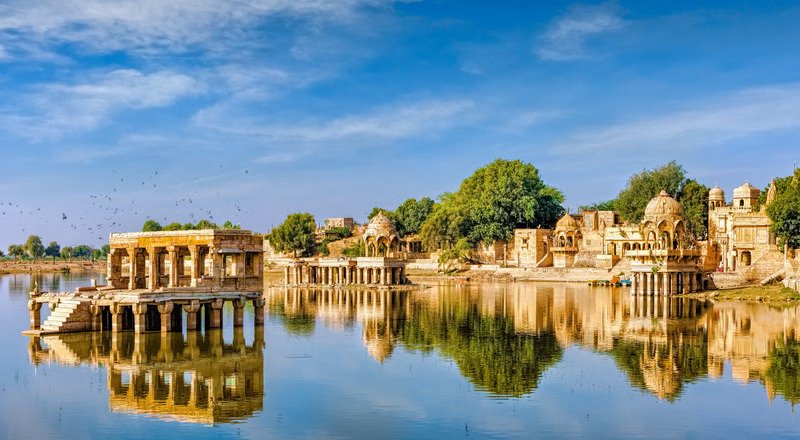
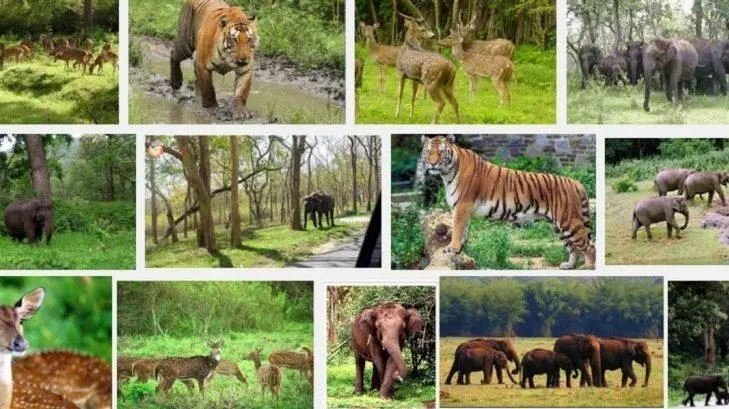
While the tiger is the undisputed star, Ranthambore’s ecosystem is rich with other inhabitants. Leopards, sloth bears, striped hyenas, and caracals roam these forests. The lakes are home to massive marsh crocodiles, while the skies are filled with crested serpent eagles and painted storks. Observing the symbiotic relationship between these species provides a deeper appreciation for the delicate balance of the Rajasthan wilderness. The landscape itself, punctuated by ancient ruins and the towering Ranthambore Fort, adds a hauntingly beautiful backdrop to the wildlife sightings.
Best Time for Photography
For professional photographers, the transition months of March and April are ideal. The vegetation thins out, and the drying water holes force the wildlife into the open. However, the misty mornings of December and January provide a magical, ethereal quality to the frames. Regardless of the season, the interplay of light and shadow under the ancient Banyan trees makes every turn of the safari path a potential masterpiece.
Preparing for Your Adventure
Before you head out, ensure you have your original ID proof, as it is verified at the park gate. Wear neutral-colored clothing—greens, browns, and khakis—to blend into the environment. Bright colors can be distracting to the animals. Don’t forget binoculars, a high-quality camera, and a sense of patience. The wild does not run on a schedule; it reveals its secrets to those who wait and watch with respect. By following the established routes and rules, you contribute to the ongoing conservation efforts that keep Ranthambore a thriving sanctuary for generations to come.