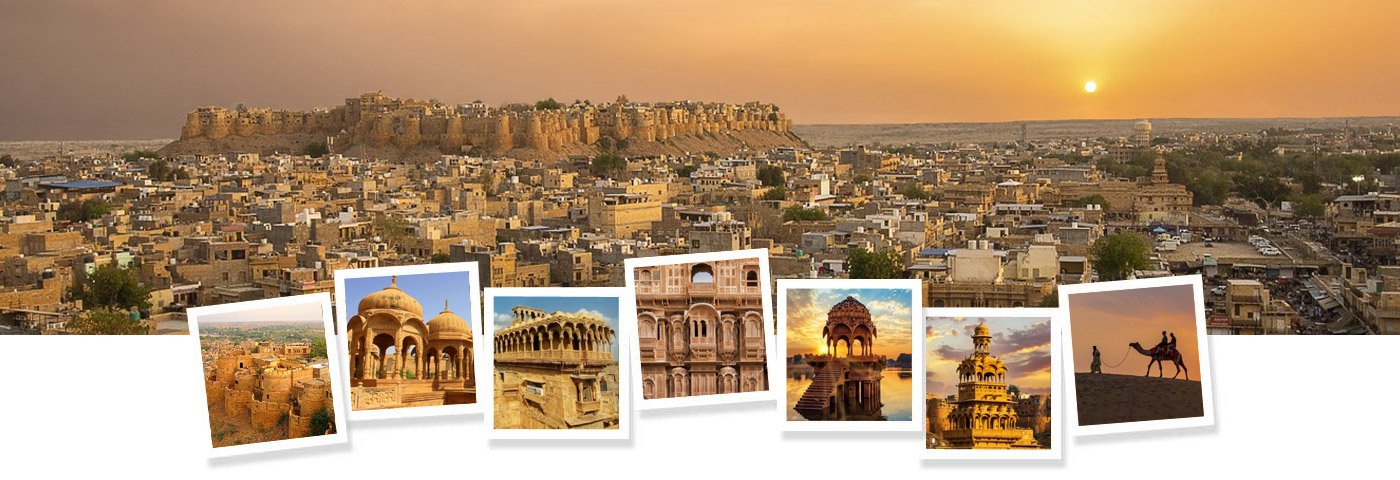
The history of Rajasthan is a vibrant tapestry of valor, architectural brilliance, and strategic fortification, yet few threads shine as brightly as the “Golden City.” Understanding the importance of Jaisalmer requires looking beyond the modern allure of a Jaisalmer desert camp and peering into the centuries of trade and warfare that shaped the Thar Desert. Founded in 1156 AD by Rawal Jaisal, a Bhati Rajput ruler, Jaisalmer was established following a strategic move from the former capital of Lodhruva. This transition wasn’t merely a change of address; it was the birth of a desert citadel that would become the cornerstone of Western Rajasthan’s geopolitical identity.
The Strategic Sentinel of the Silk Road
Jaisalmer’s historical significance is deeply rooted in its geography. Situated on the Trikuta Hill, the city served as a vital gateway for the ancient Silk Road. Before the rise of maritime trade, the desert tracks of Jaisalmer were the primary arteries for caravans traveling between India, Central Asia, Persia, and Egypt. The Bhati rulers leveraged this location to provide protection to merchants in exchange for lucrative taxes. This wealth didn’t just fill the royal coffers; it financed the intricate yellow sandstone carvings and expansive havelis that define the city today. The importance of Jaisalmer lay in its ability to thrive in an environment where others merely survived, turning the harsh Thar into a bustling economic hub.
Architectural Marvels and the Living Fort
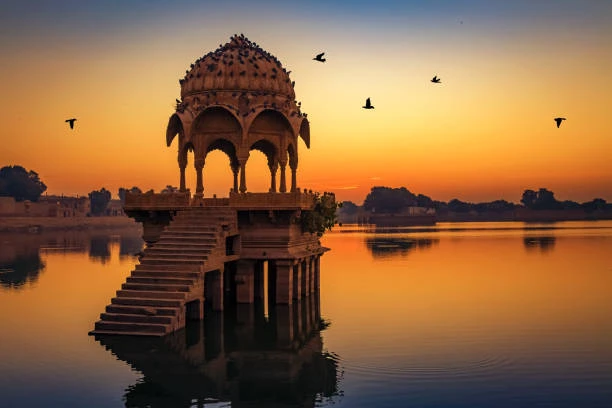
While many Indian forts stand as silent museums, Jaisalmer Fort—the Sonar Quila—remains a “Living Fort.” This is a rare historical phenomenon where a significant portion of the city’s population still resides within the medieval walls. Architecturally, the fort represents the pinnacle of Rajput design, built without mortar but rather through the precise interlocking of stone blocks. The golden hue of the sandstone, which glows at sunset, is not just an aesthetic choice but a testament to the local materials that have withstood centuries of desert winds. History enthusiasts often seek a 02 Night 03 Days Couple Package to witness these architectural wonders up close, experiencing the same narrow alleys that have seen the footsteps of warriors and traders for nearly a millennium.
Cultural Resilience and the Bhati Dynasty
The Bhati Rajputs, who claim descent from Lord Krishna, infused Jaisalmer with a sense of divine right and unyielding courage. Throughout history, Jaisalmer faced numerous sieges, most notably by the Delhi Sultanate under Alauddin Khilji. The stories of Jauhar (ritual self-immolation) and Saka (fighting to the death) are etched into the city’s stones. These events highlight Jaisalmer’s role as a shield for the interior of Rajasthan. Despite the conflicts, the city became a sanctuary for Jainism. The stunning Jain temples within the fort, dating back to the 12th and 15th centuries, house thousands of rare manuscripts and artifacts, making Jaisalmer a silent guardian of India’s intellectual and spiritual heritage.
The Evolution of Desert Traditions
The history of Jaisalmer is also the history of its people—the Manganiars and Langas—whose folk music has echoed across the dunes for generations. The cultural importance of Jaisalmer is preserved through these oral traditions that narrate the bravery of kings and the beauty of the desert landscape. Today, this heritage is experienced through immersive hospitality. Travelers can relive the regal lifestyle of the past by enjoying a traditional Dinner at sand dunes jaisalmer, where the culinary techniques of the desert tribes meet the refined palate of the royals. This fusion of history and lifestyle ensures that Jaisalmer’s past is not just remembered but actively lived.
A Modern Pillar of Rajasthan Tourism
In contemporary times, the importance of Jaisalmer has transitioned from a military outpost to a cultural lighthouse. It remains the soul of Rajasthan’s desert tourism, offering a stark, beautiful contrast to the lush greenery of Udaipur or the pink masonry of Jaipur. The preservation of its sandstone architecture and the continuation of its vibrant festivals, like the Desert Festival, keep the historical spirit of the Bhati Rajputs alive. Jaisalmer reminds us that history is not just about the battles won or lost, but about the resilience of a culture that turned a barren wasteland into a golden masterpiece of human achievement. Its contribution to the cultural and economic fabric of Rajasthan remains as solid as the Trikuta Hill itself.