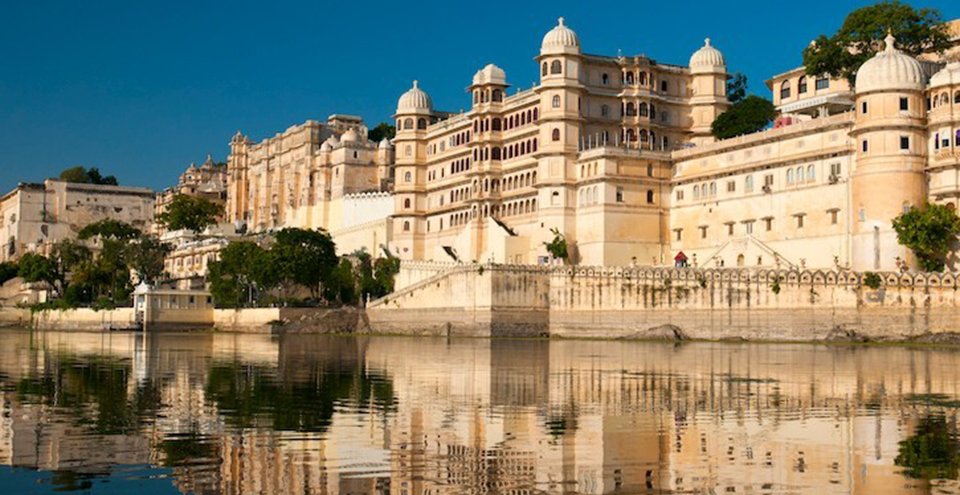
Experience the magic of the Thar Desert with a premier Jaisalmer tour operator that brings the history of Rajasthan to life through curated storytelling and local expertise. When you stand atop the Trikuta Hill, the sun casting a warm, amber glow over the sprawling urban landscape below, it becomes immediately clear why this destination has captured the imagination of travelers for centuries. Jaisalmer isn’t just a city built of stone; it is a living monument to the architectural brilliance and geological wealth of the desert. The title “The Golden City” is not merely a poetic marketing term but a literal description of how the city interacts with the light of the sun, a phenomenon rooted in the unique yellow sandstone used in every structure from the humblest home to the grandest palace.
The Geological Foundations of the Golden Hue
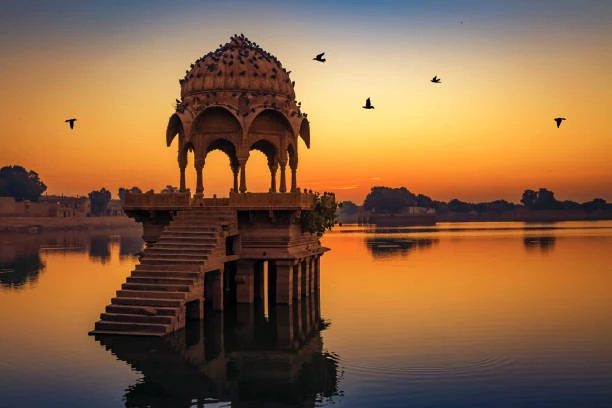
To understand the story behind the name, one must look at the earth itself. The Jaisalmer formation is composed of Jurassic-age yellow sandstone, a material that is unique to this specific region of the Thar Desert. Unlike the red sandstone of Agra or the white marble of Udaipur, this Jurassic stone possesses a high concentration of iron ore and specific mineral deposits that react to light in a spectacular fashion. During the day, the stone appears as a pale, creamy yellow, but as the sun begins to set, the light hits the porous surface at an angle, transforming the entire skyline into a shimmering gold. This natural spectacle is the primary reason why the moniker has stuck for generations, making it a centerpiece for any Jaisalmer sightseeing tour focused on the city’s aesthetic heritage.
Rawal Jaisal and the Foundation of a Legend
The history of the name is also deeply tied to its founder, Maharawal Jaisal Singh. In 1156 AD, seeking a more secure capital than his previous seat at Lodhruva, the Bhati Rajput ruler came across the Trikuta Hill. Legend suggests he met a hermit named Eesul, who pointed out a prophecy involving a Krishna descendant building a kingdom on that very spot. Jaisal built the fort using the local sandstone without the use of mortar, relying instead on the intricate interlocking of stones. This architectural decision meant that the fort was essentially a giant piece of the desert itself, elevated above the dunes. As the sun beat down on these massive stone walls, the fort glowed like a crown of gold atop the hill, cementing its reputation among traders on the Silk Road as the Golden City of the East.
Architectural Consistency and Local Traditions
One of the most remarkable things about Jaisalmer is the visual harmony of its streets. Unlike many modern cities where different materials clash, the local administration and the community have long maintained a tradition of using only the signature yellow sandstone for construction. This consistency ensures that the “Golden” identity remains intact. The intricate carvings found on the facades of famous Havelis like Patwon Ki Haveli or Salim Singh Ki Haveli further enhance this effect. The delicate “Jali” work (stone latticework) creates shadows and highlights that make the golden stone look almost like filigree jewelry. Walking through these narrow lanes feels like walking through a treasure chest, where every corner turned reveals a new shade of honey and saffron.
The Role of the Thar Desert Landscape
The desert environment acts as a natural canvas for the city’s golden glow. The surrounding Sam Sand Dunes provide a stark, undulating backdrop that mirrors the color of the city’s architecture. This synergy between the built environment and the natural world is a rare sight. Travelers who utilize a professional Cab service in Jaisalmer often witness this transition as they drive from the heart of the city out toward the dunes at twilight. The way the sand reflects the light back onto the stone walls creates an immersive golden atmosphere that is impossible to replicate elsewhere. It is this specific atmospheric quality—the combination of dust, heat, and stone—that gives the city its ethereal, metallic shimmer.
Cultural Identity and Global Recognition
The name “Golden City” has also shaped the cultural identity of the people living here. From the folk music of the Manganiyar community to the vibrant yellow turbans worn by the men, the color gold is woven into the very fabric of daily life. It symbolizes the resilience of a community that flourished in a harsh, arid climate. Internationally, this branding has helped Jaisalmer stand out in the crowded tourism landscape of India. It promises a specific visual experience that is both romantic and historical. When visitors arrive, they aren’t just looking for a town; they are looking for that specific moment when the buildings seem to ignite with golden fire, a promise that the city keeps every single evening at sundown.
Preserving the Golden Legacy for the Future
Maintaining the prestige of the Golden City requires a delicate balance of preservation and modern hospitality. As tourism grows, the focus remains on protecting the fragile sandstone structures from erosion and environmental damage. The story of Jaisalmer is still being written, but its golden theme remains its most enduring chapter. By choosing local guides and sustainable travel options, visitors contribute to the upkeep of this UNESCO World Heritage site, ensuring that the sun will continue to turn these yellow stones into gold for centuries to come. Whether you are exploring the hidden temples within the fort or watching the sunset from Gadisar Lake, the story behind the name is something you feel rather than just hear.