Ranthambore National Park stands as a crowning jewel of Indian wildlife, offering a rugged landscape where history and nature converge. For those planning a getaway to this wilderness, staying at a best resort in ranthambore provides the perfect vantage point to witness the park’s incredible biodiversity. Spanning over 1,300 square kilometers, this former hunting ground of the Jaipur Maharajas is now a sanctuary for a vast array of species, ranging from the majestic Royal Bengal Tiger to the elusive Caracal. Understanding the ecosystem’s residents is the first step toward a truly immersive safari experience that balances thrill with education.
The Kings of the Jungle and Other Magnificent Mammals
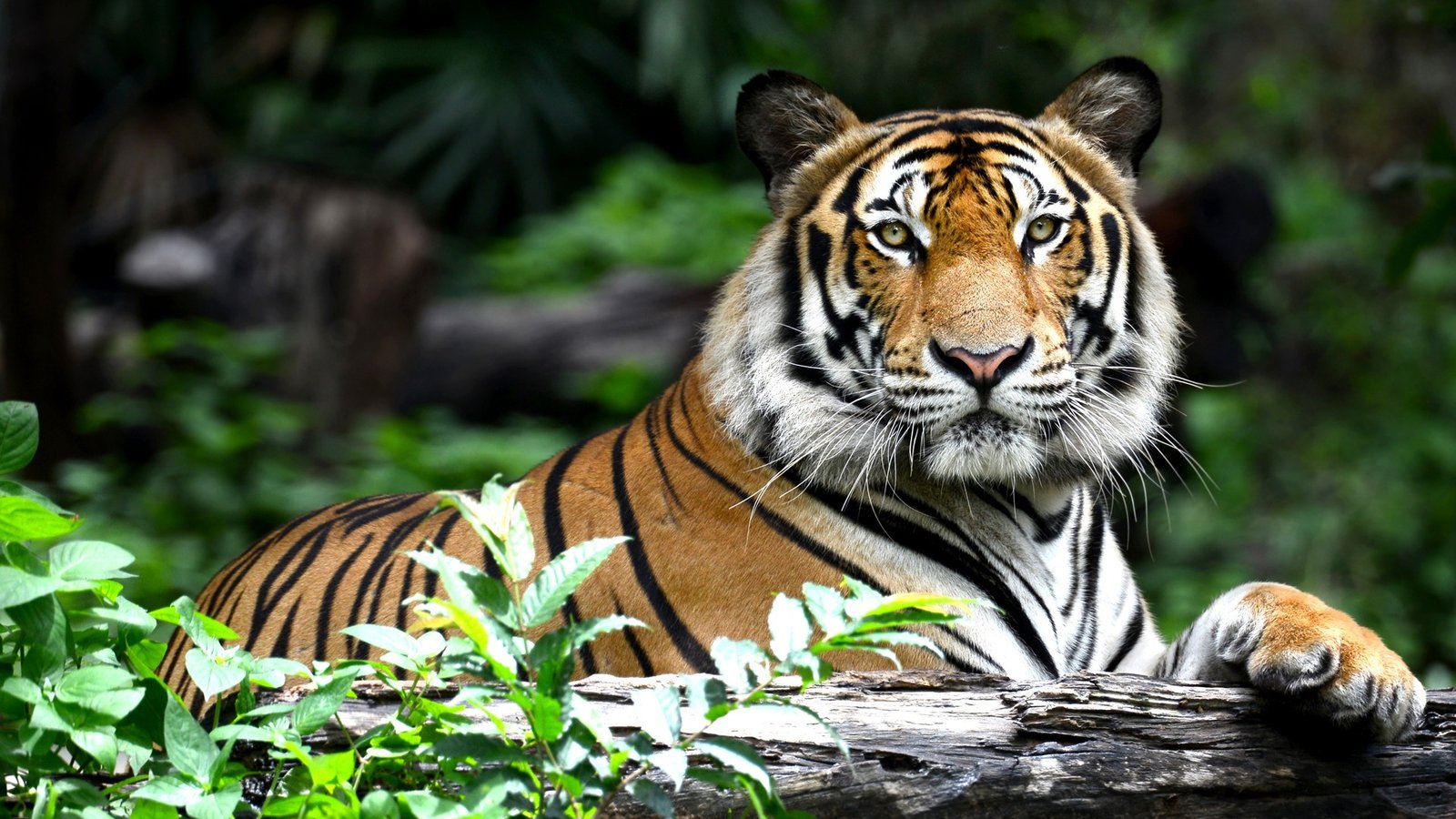
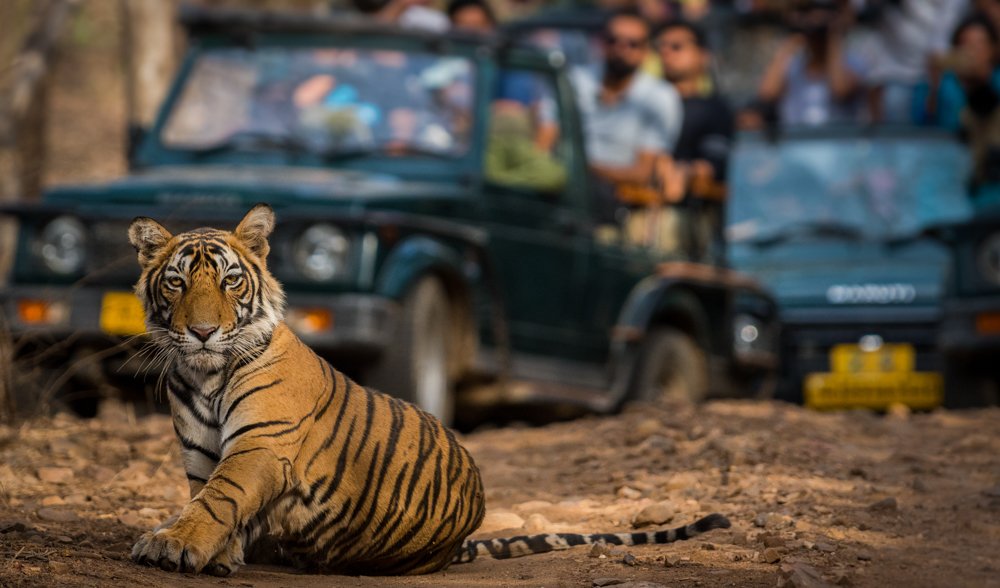
The primary draw for any visitor is undoubtedly the Royal Bengal Tiger. Known for being more diurnal than their cousins in other parks, Ranthambore’s tigers are often seen prowling near the ancient ruins or cooling off in the Padam Talao. However, the mammalian diversity extends far beyond the big cats. The Indian Leopard, though shy, is frequently spotted in the rocky outcrops of the Aravalli hills that frame the park. These agile predators share the forest with the Sloth Bear, a shaggy, termite-loving creature often seen wandering the forest floor during the early morning hours.
To witness these creatures in their natural habitat, many travelers opt for the Ranthambore 2N 3D Couple Package, which allows for multiple safari drives through different zones. In the denser thickets, you might encounter the Striped Hyena, a nocturnal scavenger that occasionally makes a daytime appearance. The park is also home to a thriving population of ungulates. The Sambar deer, India’s largest deer species, is a common sight near the lakes, often seen wading deep into the water to feed on aquatic plants. You will also see the Spotted Deer (Chital), Blue Bull (Nilgai), and the nimble Chinkara (Indian Gazelle) darting through the dry deciduous patches. For a more elusive sighting, keep an eye out for the Wild Boar and the Desert Fox, both of which play crucial roles in the forest’s complex food web.
An Aviary in the Wild: Birds of Ranthambore
Ranthambore is a paradise for birdwatchers, boasting over 300 species of avian life. The presence of large water bodies like Raj Bagh, Malik Talao, and Padam Talao attracts a significant number of migratory and resident water birds. You can expect to see the Great Crested Grebe, Bronze-winged Jacana, and the Painted Stork foraging in the shallows. The sky above is often dominated by formidable raptors. The Crested Serpent Eagle, with its piercing call, is a frequent sight perched atop dry branches, while the Shikra and the Honey Buzzard hunt within the canopy.
As you navigate the forest trails, the colorful Indian Roller and the vibrant Plum-headed Parakeet add splashes of brilliance to the earthy tones of the jungle. The Grey Francolin and the Jungle Bush Quail are often heard before they are seen, scurrying through the underbrush. During the winter months, the park welcomes migratory visitors like the Bar-headed Goose and various species of ducks, making it a dynamic environment that changes with the seasons. Staying at a luxury resort in ranthambore ensures you have access to expert naturalists who can help identify these species and explain their unique behaviors.
The Smaller Wonders: Primates and Reptiles
While the tigers and eagles capture the headlines, the smaller inhabitants of Ranthambore are equally fascinating. The Northern Plains Gray Langur is ubiquitous, often seen lounging on the walls of the Ranthambore Fort or sounding alarm calls when a predator is near. These monkeys have a symbiotic relationship with the deer, often dropping leaves and fruits from the trees for them to eat. Among the reptiles, the Mugger Crocodile is a dominant presence in the lakes, often seen basking on the banks in the midday sun. You might also encounter the Indian Rock Python or the Monitor Lizard if you look closely at the rocky crevices and fallen logs.
Tips for a Successful Wildlife Safari
Maximizing your wildlife sightings requires a blend of patience and timing. Morning safaris are generally best for catching predators on the move, while afternoon drives offer better lighting for photography and sightings near water holes. It is essential to respect the forest code—maintain silence, avoid wearing bright colors, and never feed the animals. Listening to the jungle’s alarm calls, such as the sharp bark of a Sambar or the frantic chatter of a Langur, is often the best way to track a tiger’s movement.
The terrain of Ranthambore is unique because it combines dry desert scrub with lush lakeside greenery and steep cliffs. Each zone offers a different micro-habitat, meaning no two safaris are ever the same. Whether you are a seasoned photographer or a first-time visitor, the thrill of spotting a rare bird or watching a tiger family interact is a profound experience that stays with you long after you leave the forest gates. By choosing the right accommodation and planning your drives strategically, you ensure that your journey into the heart of Rajasthan’s wilderness is both comfortable and deeply rewarding.