
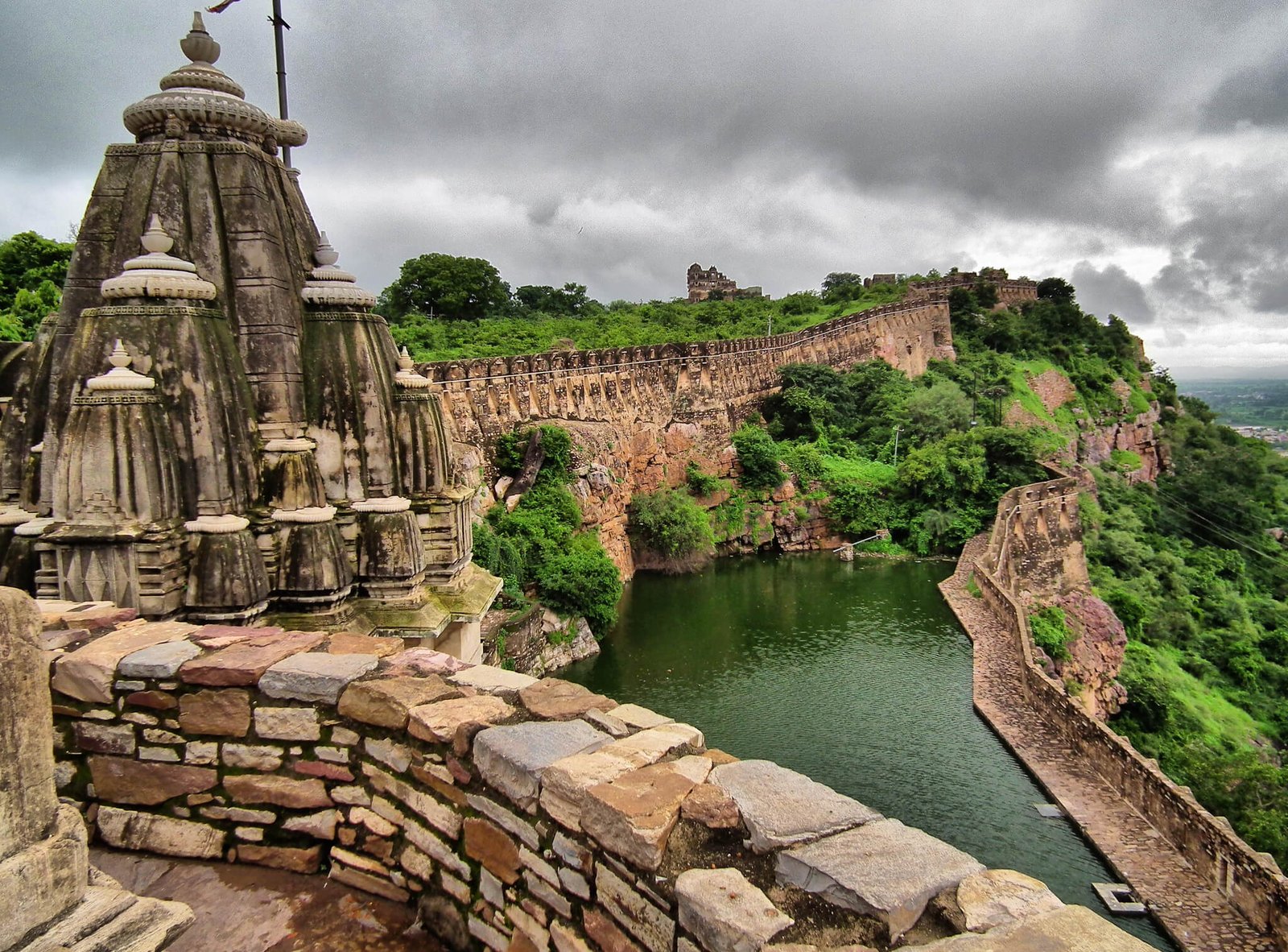
Chittorgarh, a city that resonates with the echoes of Rajput bravery and architectural brilliance, remains one of the most compelling destinations in Rajasthan. When planning a journey to this historical fortress from the City of Lakes, securing a reliable Udaipur to Chittorgarh taxi service is the first step toward a seamless experience. The road between these two cities offers a transition from the romantic lakefronts of Udaipur to the rugged, high-walled grandeur of India’s largest fort complex. For travelers, the value lies not just in seeing the monuments but in understanding the soul of a place that refused to surrender. A day trip allows you to witness the sprawling Chittorgarh Fort, a UNESCO World Heritage site, which stands as a silent witness to three major sieges and the legendary tales of Rani Padmini and Maharana Pratap.
The Grandeur of Chittorgarh Fort
The primary attraction and the heart of the city is the Chittorgarh Fort itself. Spanning nearly 700 acres atop a high hill, it is less of a single monument and more of a fortified city. Walking through its seven massive gates, or Poles, you immediately feel the weight of history. The fort is designed to be an impenetrable bastion, yet its interior holds some of the most delicate stone carvings in Western India. Navigating this vast expanse requires time and a sense of direction, as the ruins are spread across a plateau. Visitors often find that the best way to explore the various palaces and temples within the walls is to have a dedicated vehicle waiting at each point of interest, ensuring that the midday sun doesn’t drain your energy before you reach the most iconic viewpoints.
Vijay Stambh: The Tower of Victory
One cannot visit Chittorgarh without standing in the shadow of the Vijay Stambh. Built by Maharana Kumbha in 1448 to commemorate his victory over the combined armies of Malwa and Gujarat, this nine-story tower is a masterpiece of religious and military architecture. Every inch of the red sandstone and white marble is covered with intricate carvings of Hindu deities, musical instruments, and seasonal motifs. It functions as a vertical textbook of Indian mythology. Climbing the narrow steps to the top provides a panoramic view of the entire fort and the modern town below, offering a perspective on why this location was strategically vital for centuries.
Kirti Stambh: The Tower of Fame
While Vijay Stambh celebrates military might, the Kirti Stambh represents spiritual devotion. This 22-meter-high tower was built by a Jain merchant and is dedicated to Adinath, the first Jain Tirthankara. It is older than the Tower of Victory and showcases a different architectural style, characterized by the naked figures of the Tirthankaras and elaborate Digambara motifs. The presence of such a significant Jain monument within a predominantly Rajput military stronghold speaks volumes about the religious pluralism and cultural richness of medieval Rajasthan. It is a quiet, contemplative spot that stands in beautiful contrast to the more war-centric monuments nearby.
Padmini Palace and the Legend of Beauty
The Padmini Palace sits beside a lotus pool and carries with it the legend of the queen whose beauty supposedly sparked a war. While historians debate the specifics of the mirror-reflection story involving Alauddin Khalji, the palace remains a site of immense interest. The architecture is understated compared to the main fort structures, but its position surrounded by water makes it a cooling retreat. The gardens around the palace have been maintained to give visitors a sense of the royal lifestyle. It is a place where the narrative of Chittorgarh shifts from the battlefield to the personal sacrifices made by the royal women during the periods of Jauhar.
Meera Temple and Kumbha Shyam Temple
For those interested in the devotional history of India, the Meera Temple is a pilgrimage site. Dedicated to the mystic poetess Meera Bai, who abandoned her royal life for the love of Lord Krishna, the temple is small but spiritually vibrant. Next to it stands the larger Kumbha Shyam Temple, dedicated to Varaha. The craftsmanship here is exemplary, featuring high plinths and detailed friezes that have survived the ravages of time. The atmosphere in this corner of the fort is peaceful, often filled with the soft sounds of bhajans, providing a moment of calm during a busy day of sightseeing.
Rana Kumbha Palace: The Royal Ruins
The Rana Kumbha Palace is perhaps the most historically significant structure in the fort. It is believed to be the birthplace of Maharana Udai Singh, the founder of Udaipur. Today, it stands as a series of interconnected ruined halls and stables, but the scale of the palace still manages to impress. Walking through the underground cellars and royal courtyards, one can visualize the bustling court life of the 15th century. It is also the site where the first Jauhar is said to have occurred, adding a layer of somber reverence to the ruins.
Efficient Group Travel for Larger Parties
Exploring these sites often involves moving between points that are a few kilometers apart. For families or travel groups who want to stay together rather than splitting into multiple smaller cars, booking a Udaipur tempo traveller is a practical and comfortable choice. This ensures that the group arrives at each monument simultaneously, allowing for shared experiences and easier coordination with local guides. With the hilly terrain and the expansive nature of the fort, having a spacious, air-conditioned vehicle waiting at the exit of each site makes the day trip significantly more enjoyable, especially during the warmer months of the year.
Gaumukh Reservoir and the Spirit of the Fort
The Gaumukh Reservoir is often called the “Tirth of Chittorgarh.” A natural spring flows through a carved cow’s mouth into a deep green pool, serving as a vital water source for the fort residents during ancient times. Watching the fish in the clear water and looking up at the towering walls above creates a sense of scale that is hard to find elsewhere. It is a popular spot for photography and a reminder of the ingenious water management systems that allowed these hill forts to sustain large populations during long-term sieges.
Planning Your Departure
A day trip to Chittorgarh is a journey through the very heart of Rajput pride. By starting early from Udaipur, you can cover all these essential sites and return by sunset, witnessing the fort glow in the golden hour light. To make the most of your visit, prioritize the main fort area and wear comfortable walking shoes, as the stone paths are uneven. Choosing a professional transport partner ensures that your focus remains on the history and the views, rather than the logistics of the road, making your Rajasthani excursion truly unforgettable.