Winter brings cozy layers and warm drinks, but it also brings a noticeable change in how our skin feels. Dryness, flakiness, and irritation become common concerns as temperatures drop. Many clients I’ve worked with at a professional makeover studio in Udaipur often ask why their skin suddenly feels tight and dull during colder months, even when they follow a regular routine. The answer lies in how winter weather interacts with our skin’s natural barrier and daily habits.
The Role of Cold Air and Low Humidity
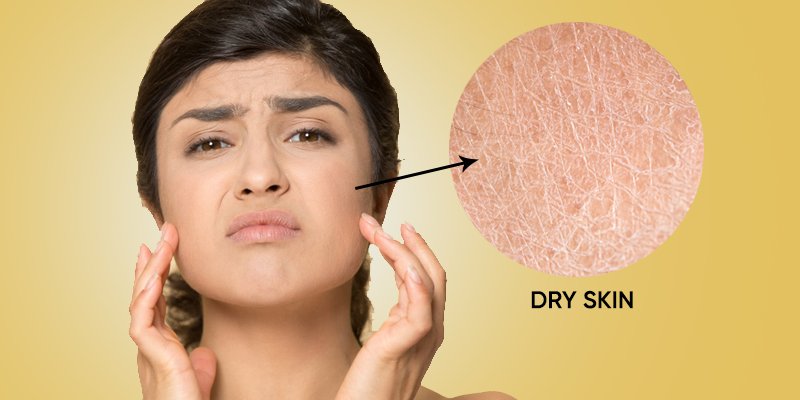
One of the primary reasons skin loses moisture in winter is low humidity. Cold air naturally holds less moisture than warm air, which means the environment around you is much drier. When humidity drops, water evaporates more quickly from the skin’s surface. This process weakens the skin barrier, making it harder for the skin to retain hydration. Over time, this leads to rough texture, itching, and a lack of natural glow.
Indoor Heating and Its Hidden Impact
While indoor heating keeps us comfortable, it significantly contributes to skin dehydration. Heaters and blowers reduce indoor humidity even further, pulling moisture from the air and, in turn, from your skin. Prolonged exposure to heated environments can disrupt the balance of natural oils, leaving the skin vulnerable and sensitive. This is why skin often feels drier indoors than outdoors during winter.
Hot Showers and Over-Cleansing Habits
Winter encourages long, hot showers, but this comforting habit can strip the skin of essential oils. Hot water dissolves the lipids that protect the skin barrier, causing moisture to escape more easily. Similarly, using harsh cleansers or washing the face too frequently can worsen dryness. Gentle cleansing and lukewarm water help maintain the skin’s natural defenses during colder months.
Reduced Sebum Production in Winter
Sebum, the natural oil produced by our skin, plays a crucial role in locking in moisture. During winter, sebaceous glands tend to produce less oil due to lower temperatures. With reduced sebum, the skin lacks its natural protective layer, making it more prone to dehydration and irritation. This is especially noticeable in people with already dry or sensitive skin types.
Seasonal Lifestyle Changes and Nutrition
Winter often brings changes in diet and hydration habits. People tend to drink less water when they don’t feel thirsty, even though the body still requires adequate hydration. Additionally, reduced intake of fresh fruits and vegetables can limit essential vitamins and fatty acids that support skin health. These internal factors directly affect how well the skin can maintain moisture balance.
Increased Sensitivity and Skin Barrier Damage
Repeated exposure to cold winds outdoors and dry heat indoors can damage the skin barrier over time. When the barrier is compromised, moisture escapes more easily, and irritants penetrate the skin more readily. This can lead to redness, itching, and inflammation. Many brides preparing for winter weddings consult a trusted bridal makeup artist in Udaipur to ensure their skin remains calm, hydrated, and makeup-ready despite harsh seasonal conditions.
How Professional Care Supports Winter Skin Health
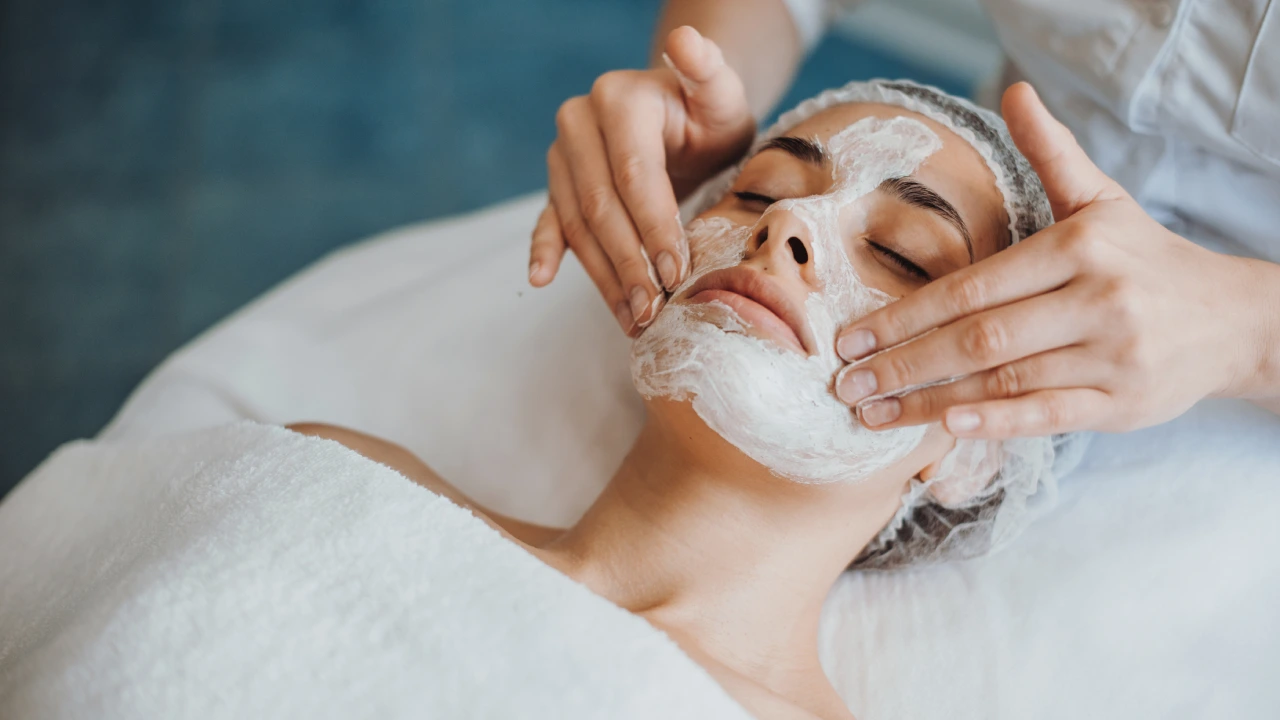
Professional guidance becomes especially valuable during winter. Personalized treatments focus on restoring hydration, repairing the skin barrier, and improving overall texture. Advanced techniques and dermatologist-approved products help replenish lost moisture and strengthen the skin from within. Opting for a reliable skin care service in Udaipur ensures that treatments are tailored to seasonal needs, skin type, and lifestyle factors, offering long-term benefits beyond temporary relief.
Practical Winter Skin Care Tips Backed by Experience
Based on hands-on experience and industry expertise, a few consistent practices make a noticeable difference:
- Use a richer moisturizer that supports barrier repair and hydration retention
- Apply products on slightly damp skin to seal in moisture effectively
- Limit exfoliation to avoid further weakening the skin barrier
- Protect exposed skin with scarves and gloves when outdoors
- Maintain balanced nutrition and regular water intake, even in cold weather
Trusting the Science Behind Seasonal Skin Changes
Understanding why skin loses moisture during winter helps in making informed decisions rather than relying on quick fixes. Seasonal dryness is not just a cosmetic issue; it reflects how environmental stressors affect skin biology. When care routines are adjusted thoughtfully and supported by professional expertise, skin can remain healthy, resilient, and radiant throughout the colder months.
By addressing both external conditions and internal habits, winter skin challenges become manageable. With the right knowledge, experience-driven care, and consistent routines, your skin can stay nourished and comfortable, no matter how cold it gets outside.