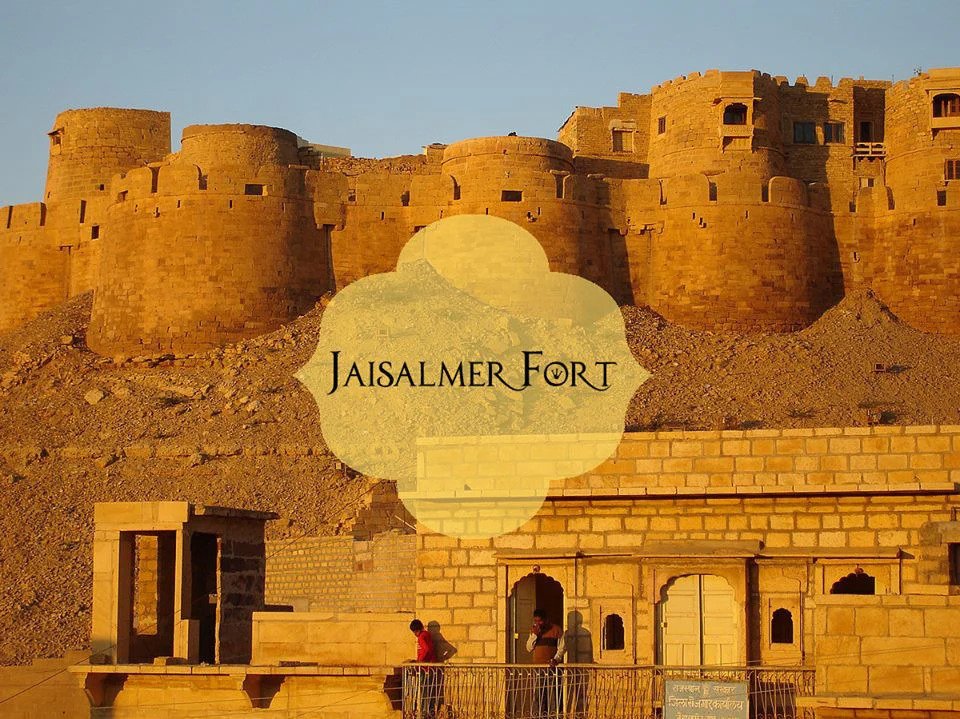
Rising like a massive golden mirage from the heart of the Thar Desert, the historic fortress of Jaisalmer stands as a monumental tribute to medieval Rajput architectural genius and military strategy. Locally celebrated as Sonar Quila or the Golden Fortress, this spectacular UNESCO World Heritage Site possesses a rare distinction that sets it completely apart from most other historical monuments across the globe. It is one of the very few surviving living forts in the world today. Nearly one-fourth of the old city’s entire population continues to live, work, and thrive within its ancient, honey-hued sandstone walls, maintaining a continuous cultural lineage that stretches back through hundreds of years of uninterrupted desert history.
The Historic Foundations of the Golden Fort Jaisalmer
To fully appreciate the architectural marvels hidden within this structure, one must understand the deep strategic roots that led to its initial foundation. The legendary fortress was founded in the year 1156 AD by Rawal Jaisal, a prominent Bhati Rajput ruler who sought a highly secure and easily defensible capital to replace the older, highly vulnerable seat of power at Lodhruva. Guided by the strategic counsel of a local hermit, the ruler wisely selected the commanding summit of Trikuta Hill as the optimal foundation for his grand empire.
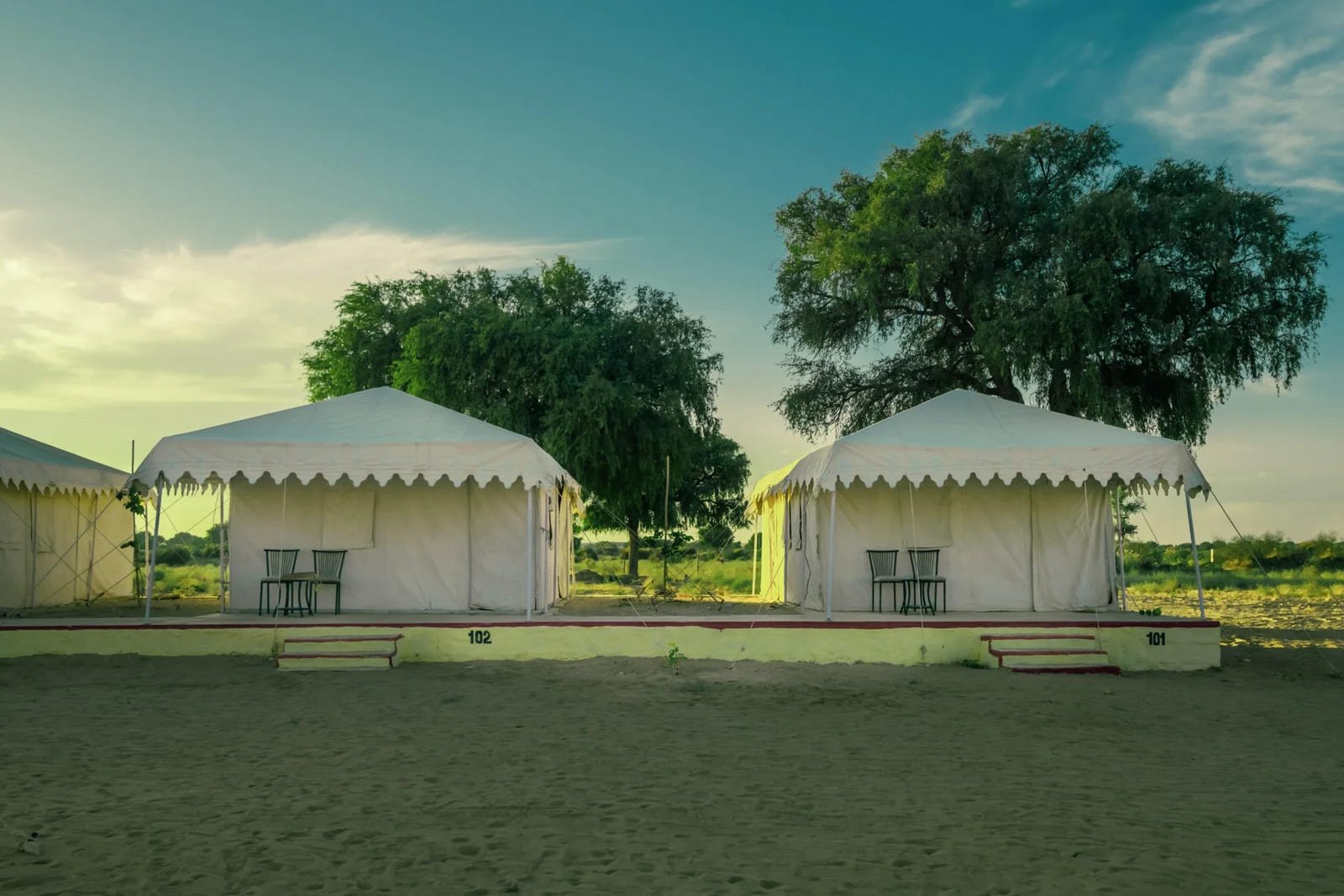
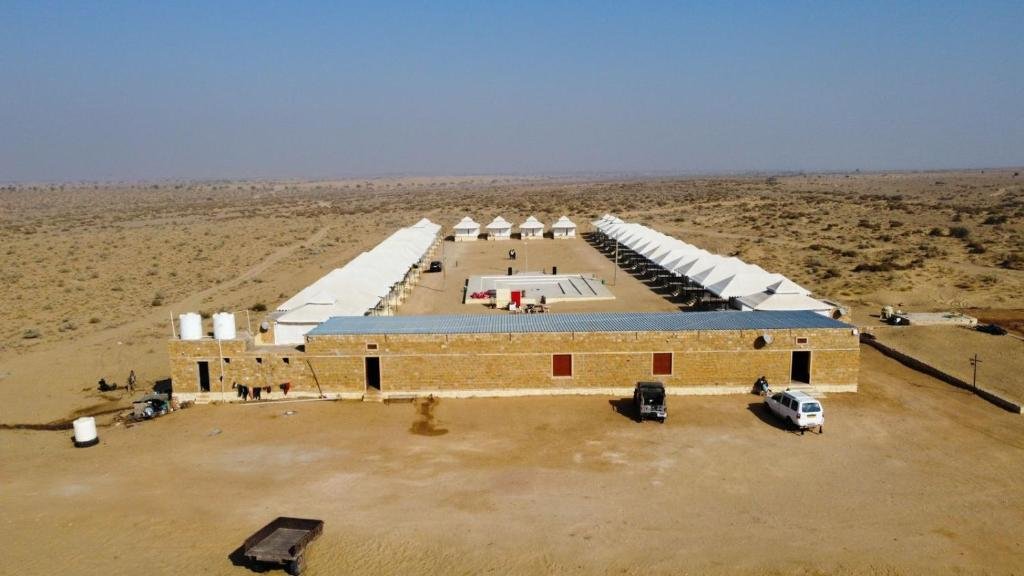
Constructed entirely out of massive blocks of yellow sandstone without the use of mortar, the fort walls naturally reflect the changing positions of the sun. The structure exhibits a brilliant, tawny lion colour during the midday heat before gradually softening into a rich, deep honey-gold shade as the sun sets over the endless horizon, naturally camouflaging the entire citadel against the vast expanse of the surrounding yellow desert. Visitors looking to explore this historic marvel along with the surrounding sand dunes often choose to book a comfortable and authentic camp in Jaisalmer to experience the true essence of desert hospitality.
Over the course of its turbulent history, the fortress stood as a critical bastion controlling the highly lucrative ancient trade routes running between India, Persia, Arabia, and Central Asia. This immense wealth and strategic positioning made it a primary target for numerous imperial forces, leading to legendary military sieges, historic battles, and dramatic handovers of power involving the Delhi Sultanate and the Mughal Empire, before the local rulers eventually regained sovereign control.
Architectural Marvels and Imposing Defense Systems
The military architecture of the fortress is a masterclass in ancient defense planning, featuring a complex triple-ringed defensive perimeter designed to thwart the advance of enemy cavalry and heavy artillery. The absolute base of the structure is reinforced by a massive, 15-foot-tall lower stone wall that forms the outermost defensive ring. Rising high above this initial barrier, the grand upper bastions form a formidable inner wall perimeter that stretches for nearly 4 kilometers around the hill.
In total, the fortress incorporates 99 massive watch bastions, 92 of which were completely rebuilt or significantly strengthened during the peaceful prosperity of the 17th century. To gain entrance into the main town square, visitors must pass sequentially through four colossal, deeply carved wooden gates known as Akhai Pol, Ganesh Pol, Suraj Pol, and Hawa Pol. These historical gateways were specifically engineered with sharp, winding curves to prevent enemy war elephants from building up enough forward momentum to ram down the heavy doors.
Principal Sightseeing Landmarks Inside the Living Citadel
Stepping past the final gateway brings you directly into a bustling labyrinth of narrow, winding cobblestone lanes packed with vibrant local marketplaces, historic residences, and breathtaking architectural masterpieces.
The Majestic Maharawal Palace
Dominating the central courtyard of the citadel is the grand Maharawal Palace, the historic seat of the royal Bhati rulers. The palace museum showcases an incredible collection of royal artifacts, ancient weaponry, medieval coins, and beautifully preserved personal items of the kings. The architecture here is celebrated for its exquisite mirror work, delicate sandstone lattice windows that allowed royal women to observe the public square privately, and the iconic polished marble throne where the rulers sat to address their subjects.
The Intricately Carved Jain Temples
Dating from the 12th to the 16th centuries, the cluster of seven interconnected Jain Temples represents the absolute pinnacle of yellow sandstone craftsmanship inside the fort. Dedicated to various revered Tirthankaras, these sacred structures—particularly the Parsvanath and Chandraprabhu temples—are globally renowned for their incredibly detailed wall carvings, sculpted pillars, and holy shrines. The temple vaults also house the ancient Gyan Bhandar, a historic library containing priceless medieval manuscripts, scriptures, and rare painted scrolls.
Ornate Merchant Havelis
As you wander deeper into the living quarters, you will encounter the spectacular ancestral mansions built by wealthy medieval merchants. Prominent structures such as Nathmal Haveli feature a fascinating asymmetric exterior, having been built simultaneously by two architect brothers from opposite ends, resulting in an incredibly unique masterpiece of ornate balconies, wooden doors, and animal motifs.
Essential Practical Tips for Modern Travelers
To fully experience the magic of this destination without rushing, travelers generally find that allocating 3 to 4 hours is ideal for a comprehensive walking tour. The absolute best time to explore the open-air structures is during the cooler winter months running from October through March, when afternoon temperatures remain pleasant for walking. Selecting a well-structured travel itinerary, such as a curated 01 Night 2 Days Jaisalmer Group Package, ensures a perfectly seamless transition between exploring the historic urban core of the Golden Fort Jaisalmer during the day and retreating to the tranquil, starlit sand dunes of the Thar Desert for an unforgettable evening of cultural music, traditional Rajasthani cuisine, and classic camel safaris.