Trading the majestic lakes of Udaipur for the cool, misty heights of Rajasthan’s only hill station makes for the perfect weekend escape. Separated by roughly 160 kilometers of winding Aravalli roads, a road trip from Udaipur to Mount Abu transitions from grand palaces to lush green peaks. To maximize a short two-day trip, planning a seamless journey ensures you spend less time navigating and more time taking in the mountain breeze.
Planning the Perfect Mountain Getaway
A successful weekend trip relies heavily on how you manage your transit. While public buses run frequently, they restrict your timeline and miss the scenic viewing points along the highway. Opting for a dedicated car rental or a reliable travel agency in Udaipur gives you the freedom to stop at local eateries, stretch your legs at panoramic viewpoints, and set your own pace.
The drive itself takes about three to four hours. Leaving early in the morning allows you to beat the city traffic and arrive just in time for a traditional Rajasthani lunch in the hills. Hiring a professional Udaipur to mount abu taxi ensures a smooth ride through the steep, curved ghats, letting you relax and enjoy the changing landscape safely.
Day 1: Arrival, Ancient Architecture, and Sunset Views
Upon arriving in Mount Abu, check into your hotel and freshen up before heading straight to the crown jewel of the hill station: the Dilwara Jain Temples. Built between the 11th and 13th centuries, these temples look modest from the outside but feature breathtakingly intricate marble carvings on the inside. The detail on the pillars, ceilings, and doorways rivals any architectural marvel in India. Allocate at least two hours here to truly appreciate the craftsmanship.
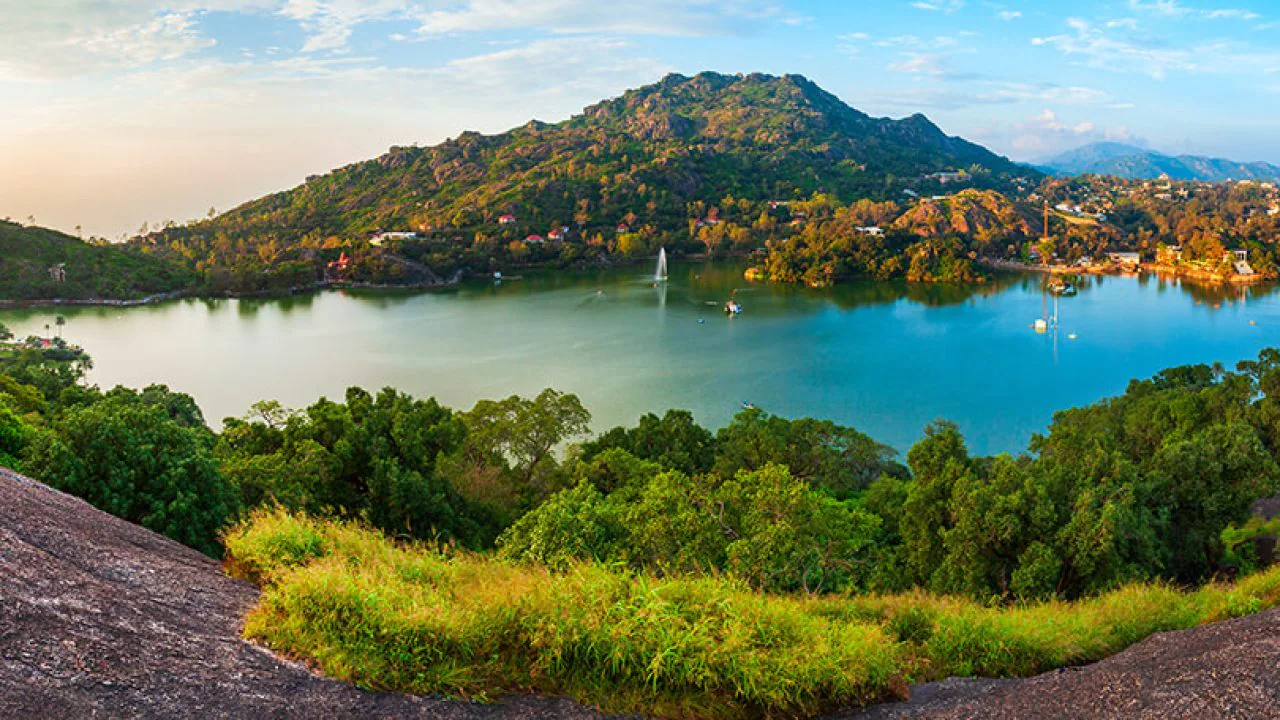
After immersing yourself in ancient history, spend your late afternoon around Nakki Lake. Legend has it that the gods dug this lake out using their fingernails (nakh). You can rent a paddleboat to cruise the calm waters or take a leisurely walk along the paved promenade. The area surrounding the lake is bustling with local markets where you can pick up traditional Rajasthani handicrafts, wooden items, and colorful textiles.
As evening approaches, head toward the famous Sunset Point. Situated southwest of Nakki Lake, this spot offers a dramatic view of the sun dipping below the sweeping Aravalli plains. Watch the sky turn shades of orange and purple as the mountain air grows crisp. Wrap up your first day with a warm dinner at a local diner, sampling hot dal baati churma or comforting North Indian cuisine.
Day 2: The Highest Peak and Spiritual Sanctuaries
Start your second day early to catch the morning mist at Guru Shikhar, the highest peak in the Aravalli Range sitting at 1,722 meters above sea level. The drive up to the peak features dense forests and steep inclines. At the summit, a small climb leads to the temple of Guru Dattatreya. The panoramic view from the top gives you a bird’s-eye look at the entire region, making the early wake-up call completely worthwhile.
On your way down from the peak, make a stop at the Achalgarh Fort. Though parts of the fort now lie in ruins, the structure still holds massive historical significance. Right next to it is the Achaleshwar Mahadev Temple, famous for housing a natural wet foot impression believed to belong to Lord Shiva himself, rather than a traditional Shivling.
Before heading back toward the plains, spend an hour at the Peace Park, managed by the Brahma Kumaris. It offers a tranquil environment filled with manicured rock gardens, vibrant floral displays, and quiet meditation spots. It provides a peaceful conclusion to a hectic weekend of sightseeing. By late afternoon, pack your bags and prepare for the return drive. Utilizing a dependable taxi in Udaipur for the return journey guarantees that after a long weekend of walking and exploring, your trip ends with a comfortable, stress-free ride back home.
Practical Travel Tips for Your Weekend Trip
- Best Time to Visit: While Mount Abu is pleasant year-round, the months between October and March offer the crispest weather. The monsoon season (July to September) is also beautiful, turning the hills intensely green, though mountain driving requires extra caution during rains.
- Clothing: Even in summer, evenings in the hills can get cool. Pack a light jacket or a shawl. If visiting during winter, heavy woolens are necessary as temperatures can drop significantly at night.
- Temple Etiquette: When visiting the Dilwara Temples, ensure your shoulders and knees are covered. Leather items, including belts, wallets, and bags, are strictly prohibited inside the complex, and photography is not allowed.
- Road Safety: The mountain roads feature sharp turns and sudden elevation changes. If you are not experienced with hill driving, it is highly recommended to leave the steering wheel to experienced local drivers who know the terrain well.