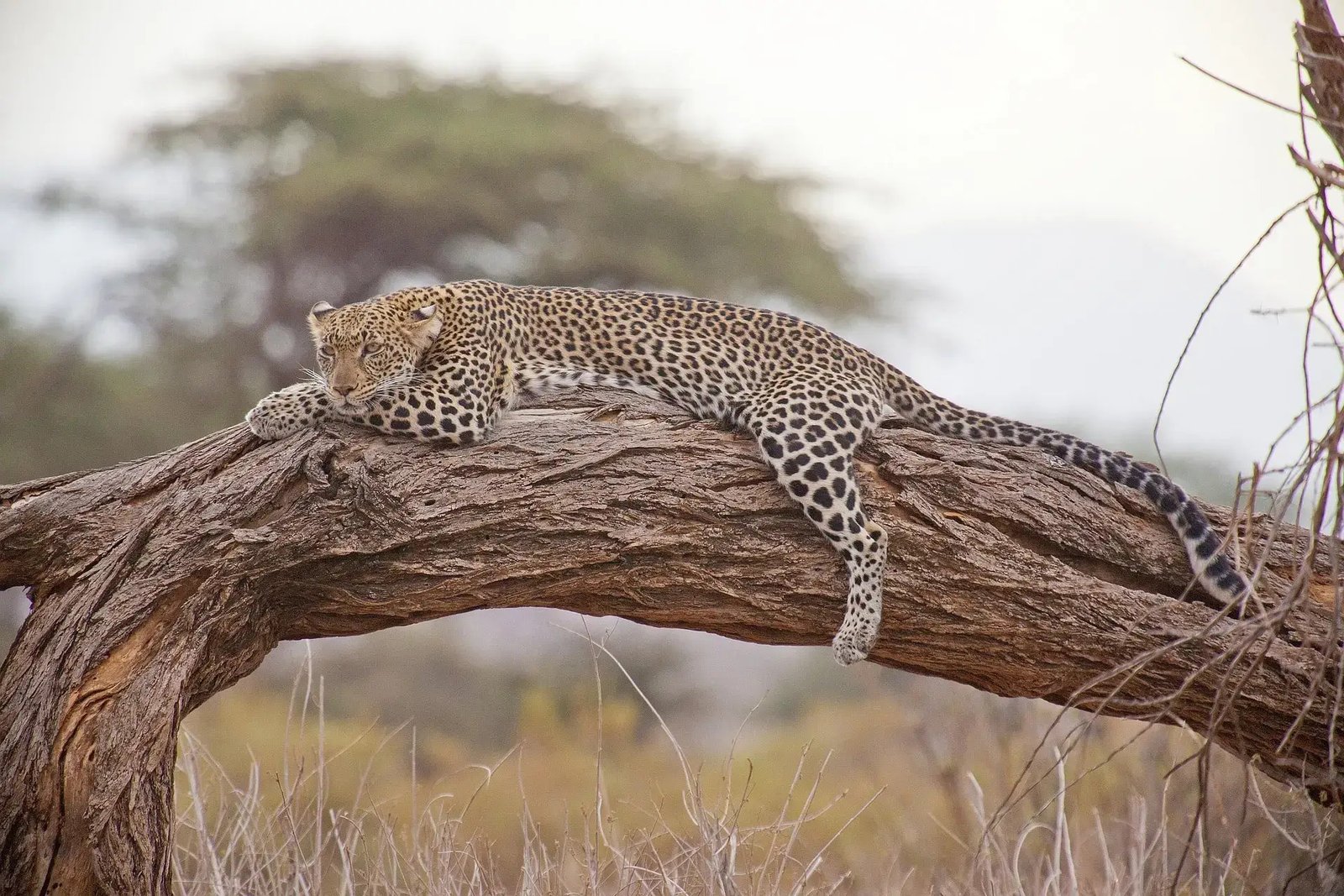
Nestled amidst the dramatic granite formations of Pali district in Rajasthan, Jawai presents one of the most remarkable wildlife landscapes in the world. Unlike fenced national parks or dense tiger reserves, Jawai is an open wilderness where wild leopards freely roam ancient rocky hillsides, coexisting peacefully alongside the indigenous Rabari pastoral community.
Navigating this rugged terrain in open 4×4 vehicles provides an adrenaline-pumping experience, but it also requires a deep respect for animal behavior, local customs, and ecological balance. Whether you are staying at a luxury resort in jawai or visiting for a quick adventure, adhering to established safari etiquette ensures a safe, enriching, and responsible excursion. Here is an authoritative guide on what to do and avoid during your expedition.
Essential Do’s on Your Safari Excursion
Dress in Earthy, Muted Tones
To blend seamlessly into the granite landscapes and dry bushland of the region, choose clothing in neutral colors such as khaki, olive green, beige, brown, or grey. Bright colors like neon red, yellow, or white stand out sharply against the natural rocks, potentially startling animals or making them retreat into hiding before you get a clear view. Layering is equally important; early morning safaris in winter can be surprisingly chilly before the desert sun warms the granite hills, while afternoon drives demand breathable, sun-protective fabrics.
Rely on Local Naturalists and Certified Trackers
The tracking skills of local wildlife guides in Jawai are unrivaled. Having grown up among these hills, local trackers understand individual leopard territories, cave entrances, and behavioral cues that indicate a big cat is nearby. Always listen carefully to your naturalist’s instructions regarding safety, quiet observation, and vehicle positioning. Choosing an authorized Jawai leopard safari ensures you are accompanied by experienced drivers who know how to navigate steep rock inclines safely without disturbing the terrain.
Pack Essential Gear for Optics and Protection
Leopards often rest on high granite kopjes or inside rock crevices at moderate distances. A high-quality pair of binoculars or a camera equipped with a telephoto lens (300mm or higher) is essential for observing fine details, such as a leopard’s coat pattern or a cub peering out from a cave. Additionally, bring dust protection like zip-lock bags or camera covers, as 4×4 vehicles kick up fine sand on dirt tracks. Do not forget wide-brim hats, polarized sunglasses, and reef-safe sunscreen for daytime protection.
Respect Local Culture and Communities
The Rabari herdsmen are the true guardians of Jawai’s wilderness. Their centuries-old cultural reverence for leopards is the reason these big cats thrive without human-animal conflict. When driving through local villages or past pastoral herds, treat the residents with utmost respect. Always ask for explicit permission before photographing local villagers, their homes, or their livestock.
Critical Don’ts to Keep in Mind
Never Disembark from the Vehicle
Your open 4×4 safari gypsy acts as a non-threatening silhouette to wildlife. Animals in Jawai are accustomed to vehicles moving along designated tracks, but the moment a human steps out of the vehicle, that familiar shape is broken, which can trigger a flight or aggression response. Keep all limbs inside the vehicle at all times, and never attempt to get down unless your tracker explicitly directs you to do so at an designated viewpoint.
Avoid Loud Noises and Unnecessary Distractions
Silence is your greatest asset on a wildlife track. High-pitched voices, ringing cell phones, or sudden loud movements can startle animals and ruin a sighting for everyone in the area. Keep your mobile phones on silent mode, speak only in hushed whispers when close to a sighting, and avoid playing music or blowing vehicle horns inside the reserve area.
Do Not Use Artificial Spotlights or Camera Flashes
Leopards are nocturnal hunters with exceptionally sensitive vision tailored for low-light environments. Using bright camera flashes or pointing high-intensity artificial flashlights directly into their eyes can temporarily blind them, disrupt their natural hunting instincts, and cause severe stress. When photographing animals during early dawn or late dusk, adjust your camera’s ISO settings instead of relying on artificial flashes.
Leave No Trace Behind
Jawai’s wilderness is a pristine ecosystem supporting not just leopards, but also sloth bears, hyenas, mugger crocodiles, and hundreds of migratory bird species around the Jawai Dam backwaters. Carrying single-use plastics, food wrappers, or disposable water bottles into the reserve poses a direct hazard to wildlife. Always secure your trash inside your vehicle and dispose of it in proper recycling bins back at your property.
Making the Most of Your Jawai Experience
Timing plays an important role in your wildlife sightings. Morning safaris offer crisp air, beautiful golden-hour light across the granite cliffs, and excellent opportunities for birdwatching around the water bodies. Evening safaris, on the other hand, coincide with the time leopards begin emerging from their shaded caves to stretch and warm themselves on the sun-baked rocks before night falls.
By balancing adventurous tracking with responsible wildlife practices, your journey through Jawai’s granite hills will deliver unforgettable encounters with one of nature’s most elusive big cats. Respect the wilderness, trust your local guides, and enjoy the magical landscape of The Jawai Sagar and its extraordinary surroundings.