India is a land of incredible diversity, ancient history, and vibrant cultures, boasting countless destinations that capture the imagination of travelers from across the globe. Among these, Rajasthan stands out as a crown jewel of royal heritage and desert romance. At the heart of this majestic state lies Jaipur, popularly known as the Pink City. Founded in 1727 by Maharaja Sawai Jai Singh II, Jaipur is a city where history breathes through magnificent forts, ornate palaces, and bustling bazaars. For decades, travelers and travel enthusiasts have debated whether Jaipur holds the title of India’s absolute best sightseeing destination. Evaluating this claim requires a close look at its architectural marvels, cultural richness, logistical convenience, and overall visitor experience.
The Architectural Marvels That Define Jaipur
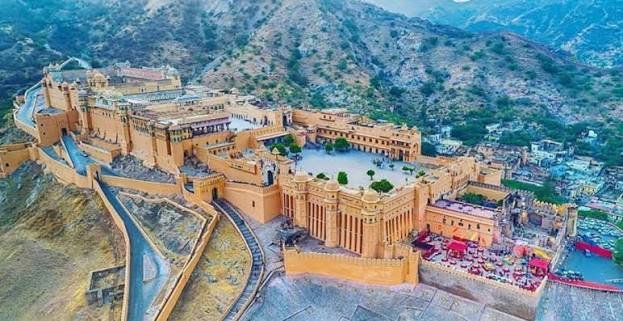
The primary argument in favor of Jaipur being India’s premier tourist destination lies in its sheer concentration of iconic landmarks. Unlike many modern cities where historical sites are scattered or lost to urban development, Jaipur preserves its royal architecture in pristine condition. The Amber Fort, perched majestically on the Aravalli hills, offers a breathtaking blend of Hindu and Mughal architectural styles. Visitors walking through its Sheesh Mahal, or Mirror Palace, experience firsthand the opulence of the Rajput era.
Within the city walls, the Hawa Mahal, or Palace of Winds, stands as an architectural masterpiece with its 953 intricate jharokhas designed to allow royal women to observe street life unseen. Nearby, the City Palace continues to house the royal family in a portion of its sprawling complex, showcasing museum collections of royal garments, weapons, and artifacts. Jantar Mantar, a UNESCO World Heritage site featuring the world’s largest stone sundial, adds a scientific and astronomical dimension to the sightseeing experience that few other cities can match.
Crafting the Ideal Itinerary
Experiencing everything Jaipur has to offer requires careful planning, especially for travelers with limited time. A well-structured itinerary ensures that visitors do not miss the hidden gems alongside the major monuments. Many travelers opt for a meticulously planned Jaipur three days tour to cover major highlights such as Amer Fort, Nahargarh Fort, Albert Hall Museum, and the vibrant local markets without feeling rushed. This duration allows tourists to balance high-energy sightseeing with relaxed evenings spent savoring traditional Rajasthani cuisine like dal bati churma at local heritage restaurants.
Cultural Immersion and Vibrant Bazaars
Sightseeing in Jaipur extends far beyond viewing old stones and monuments; it is an immersive sensory experience. The city’s traditional bazaars—such as Johri Bazaar, Bapu Bazaar, and Tripolia Bazaar—are legendary for their textiles, precious gemstones, handmade mojis, and traditional block-printed fabrics. Artisans in Jaipur have preserved centuries-old craft traditions, including blue pottery, block printing, and lac jewelry making. Interacting with local artisans provides tourists with authentic insights into the living heritage of Rajasthan, creating a deep sense of connection that enhances the travel experience far beyond standard sightseeing.
Connecting Jaipur to a Broader Regional Experience
While Jaipur holds its own as a premier urban destination, it also serves as the gateway to the wider wonders of the region. Many international and domestic travelers combine their city exploration with a comprehensive Rajasthan holiday tour that extends to Udaipur’s serene lakes, Jodhpur’s formidable blue-city fortresses, and the golden sand dunes of Jaisalmer. This interconnectedness makes Jaipur an ideal starting point, providing a gentle yet vibrant introduction to the royal state’s diverse landscapes and cultural nuances.
Ensuring a Seamless Travel Experience
Navigating a historic city with bustling traffic, intricate alleyways, and high tourist footfall requires local expertise. Choosing the right partner to manage logistics, guided tours, and accommodation can transform a stressful vacation into an unforgettable journey. Experienced travelers often rely on a trusted tour operator in Rajasthan to curate personalized itineraries, arrange knowledgeable local guides, and ensure comfortable transportation between monuments. Professional support guarantees that tourists gain historical context and insider access that standard guidebooks often overlook.
Conclusion
Determining whether Jaipur is India’s best sightseeing destination ultimately depends on what a traveler seeks. If the goal is to witness a seamless blend of royal history, architectural brilliance, living culture, and vibrant shopping experiences all in one accessible location, Jaipur presents a compelling case. Its ability to transport visitors back to the era of Maharajas while offering modern comforts makes it a top contender for the crown. Whether viewed as an independent urban retreat or as the starting point for a broader desert adventure, Jaipur remains an essential stop on any Indian travel itinerary, capturing the timeless spirit of royal heritage.