When the monsoon clouds roll across southern Rajasthan, the arid landscape transforms into vibrant emerald terrain. For travelers based in Udaipur, two primary hill getaways compete for attention: Kumbhalgarh and Mount Abu. Both destinations offer distinct experiences during the rainy season, ranging from rugged fortress panoramas to mist-covered lakes. Choosing the ideal destination depends on the type of travel experience, driving distance, and activities you prioritize.
Geographic Setting and Accessibility
Kumbhalgarh sits approximately 85 kilometers north of Udaipur within the rugged folds of the Aravalli Range. The drive winds through rural countryside, dense forests, and undulating hills. Navigating the mountain bends during wet weather requires careful driving, making reliable transport essential. Travelers often book a taxi in Udaipur to ensure a smooth, comfortable route through the winding ghats. The shorter travel duration makes Kumbhalgarh well-suited for single-day excursions or quick weekend breaks.
Mount Abu, located roughly 165 kilometers southwest of Udaipur, serves as Rajasthan’s only designated hill station. Situated at an altitude of over 1,200 meters, it demands a longer highway drive followed by an ascent up steep mountain roads. The monsoon often brings dense cloud cover and sudden showers along these routes, which rewards visitors with panoramic valley views. For families or larger tour groups venturing out together, opting to hire tempo traveller in Udaipur provides ample room, shared luggage capacity, and stable group transit for the four-hour journey.
Landscape and Monsoon Atmosphere
The monsoon aesthetic varies considerably between the two regions. Kumbhalgarh is defined by untamed wilderness, rugged stone architecture, and dramatic elevation shifts. The rain breathes life into the surrounding Kumbhalgarh Wildlife Sanctuary, causing seasonal streams to swell and carpet the hillsides in lush vegetation. Mist rolls across the fort ramparts, giving the entire area an atmospheric, historic aura.
Mount Abu features a classic hill station environment. Monsoon brings persistent fog, low-hanging clouds, and frequent temperature drops. Nakki Lake reflects the surrounding green peaks, while viewpoints like Sunset Point and Guru Shikhar become blanketed in soft mist. The rainfall here is generally heavier than in Kumbhalgarh, leading to active waterfalls such as Trevor’s Tank and seasonal roadside cascades.
Key Sights and Activities
Exploring Kumbhalgarh
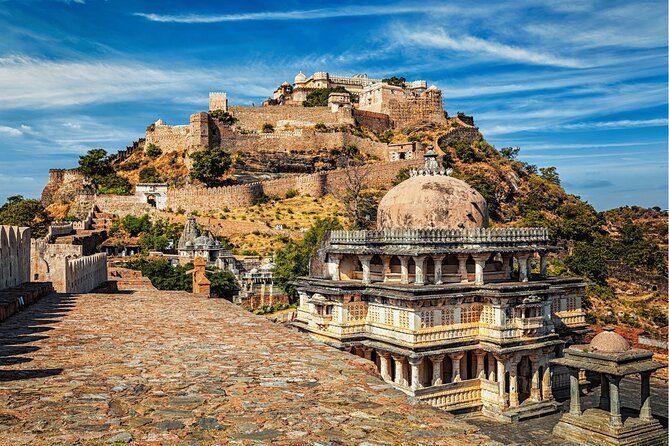
Kumbhalgarh centers around its formidable 15th-century fortress, renowned for possessing the second-longest continuous wall in the world. Key highlights include:
- The sprawling Badal Mahal (Palace of Clouds) located at the highest point of the fort, offering 360-degree views of the mist-draped Aravallis.
- The extensive perimeter wall, featuring fortified bastions and ancient Hindu and Jain temples within its grounds.
- Monsoon wildlife safaris through the sanctuary, where leopards, sloth bears, and migratory birds thrive amid fresh green foliage.
- Scenic rural routes connecting to nearby attractions like the marble marvels of Ranakpur Jain Temple.
To navigate the steep access roads and regional sights efficiently, arranging a dedicated kumbhalgarh sightseeing taxi helps visitors explore the expansive fort grounds and surrounding forest reserves without logistical delays.
Exploring Mount Abu
Mount Abu presents a broader variety of leisure and cultural attractions:
- The Dilwara Temples, world-famous for intricate marble carvings dating back to the 11th and 13th centuries.
- Nakki Lake, where visitors can enjoy boating amid light rainfall and foggy surroundings.
- Guru Shikhar, the highest peak in the Aravalli Range, offering sweeping monsoon vistas when cloud cover clears.
- The vibrant town center featuring busy local markets, street food stalls, and colonial-era architecture.
Weather and Road Conditions
Monsoon travel requires careful evaluation of safety and local conditions. Kumbhalgarh receives moderate rainfall, meaning roads generally remain clear and manageable, though stone pathways inside the fort can become slick.
Mount Abu experiences higher cumulative rainfall. The mountain ghat road leading up to the plateau is prone to occasional rockfalls and dense fog that can reduce driving visibility to a few meters. Choosing vehicles with experienced drivers familiar with monsoon mountain terrain is essential for both routes.
Comparison Overview
| Feature | Kumbhalgarh | Mount Abu |
| Distance from Udaipur | ~85 km (2 to 2.5 hours) | ~165 km (3.5 to 4 hours) |
| Monsoon Vibe | Historic, rugged, wild green hills | Classic hill station, misty, lake-centric |
| Rainfall Intensity | Moderate | Moderate to Heavy |
| Ideal Duration | 1 to 2 Days | 2 to 3 Days |
| Top Attraction | Kumbhalgarh Fort & Sanctuary | Dilwara Temples & Nakki Lake |
| Best Suited For | History enthusiasts, nature lovers | Families, leisure travelers |
Final Recommendation
If you prefer a shorter transit time focused on monumental heritage, untamed forests, and raw scenic viewpoints, Kumbhalgarh is the ideal monsoon destination. If you seek a multi-day hill retreat complete with boating, cool highland temperatures, and bustling town amenities, Mount Abu is the better choice. Both destinations showcase Rajasthan’s stunning natural contrast during the rainy season.