Rajasthan represents a captivating blend of royal heritage, vibrant folklore, and sacred serenity. For travelers seeking a balanced exploration of majestic palaces and peaceful spiritual sanctuaries, combining the Pink City with the ancient pilgrimage town of Pushkar offers an unforgettable journey across the desert state. Planning this circuit requires thoughtful curation so you can navigate the architectural grandeur of medieval fortifications while also soaking in the tranquil rhythms of desert spirituality.
The Royal Splendor of the Pink City
Jaipur serves as the gateway to Rajasthan’s storied past. Founded in 1727 by Maharaja Sawai Jai Singh II, the city was meticulously planned according to ancient Vedic architecture, featuring wide boulevards and distinctive terracotta-pink facades.
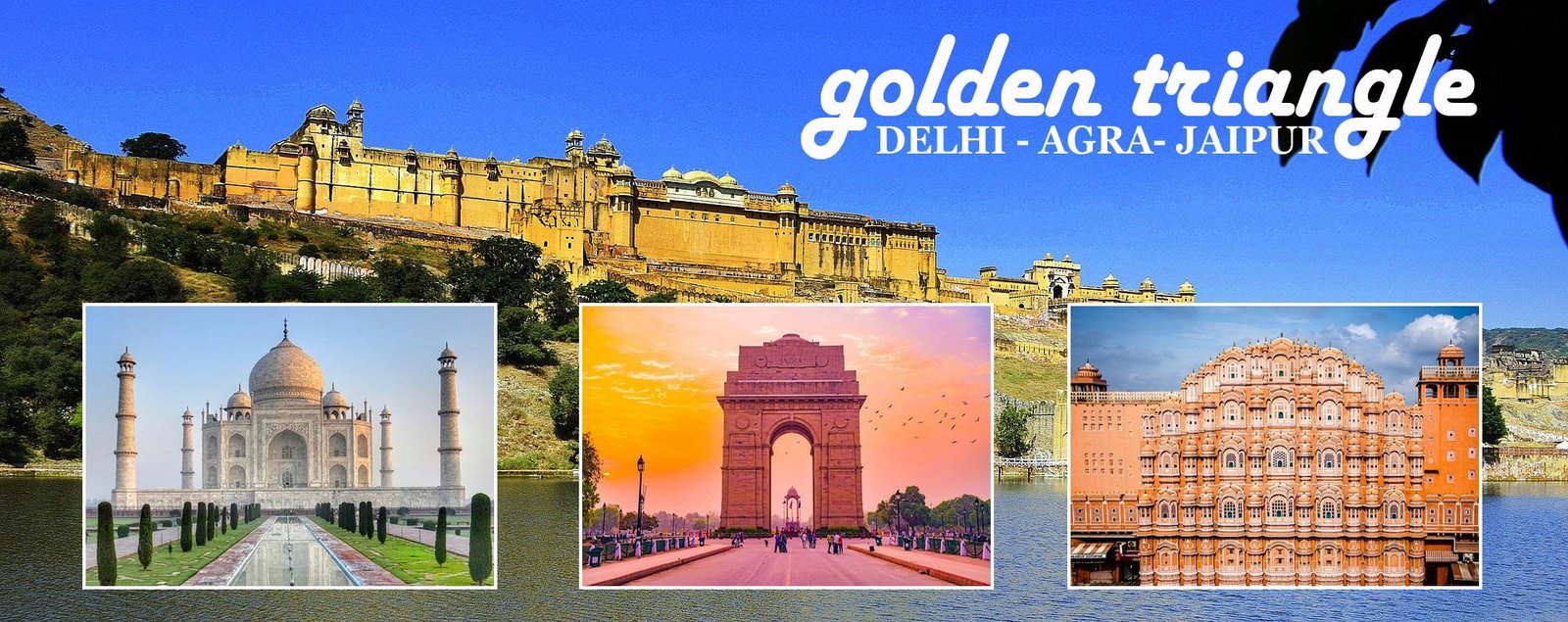
Begin your morning exploring the imposing Amber Fort, located atop the rugged Cheel ka Teela (Hill of Eagles). Built from pale yellow and pink sandstone, this UNESCO World Heritage Site showcases an intricate blend of Rajput and Mughal design. Inside, the Sheesh Mahal (Mirror Palace) dazzles with convex glass mirrors inlaid across ornate ceilings, reflecting soft daylight into radiant patterns.
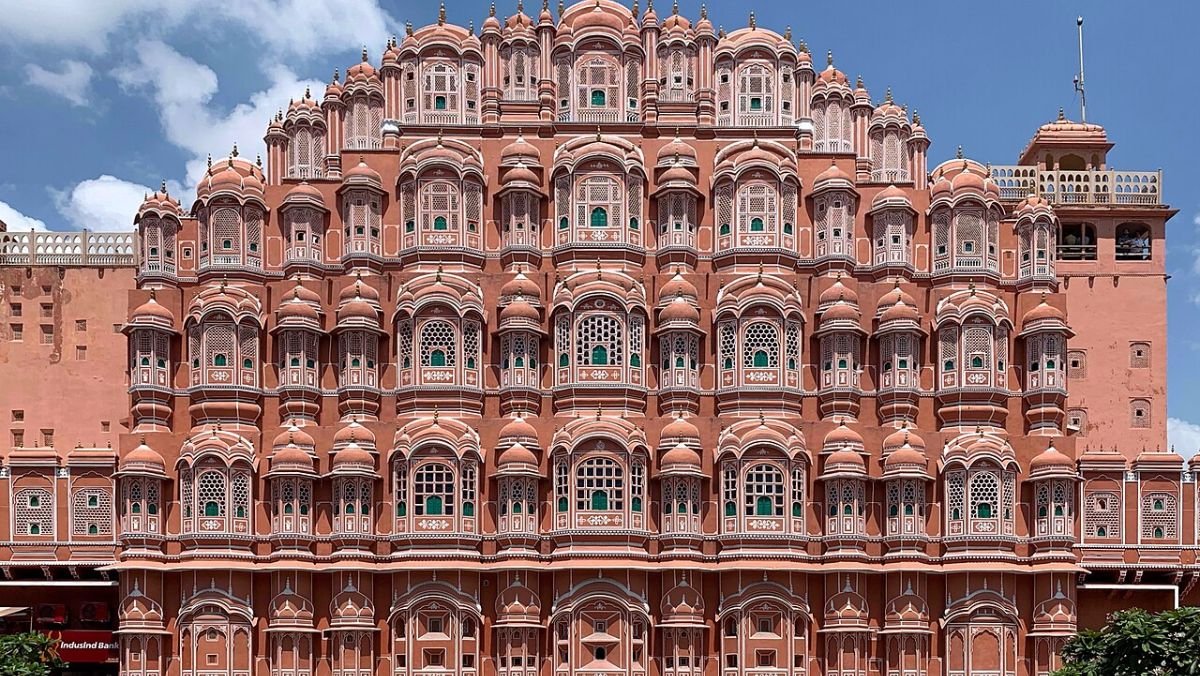
Descending back toward the historic center, make a brief photo stop before the iconic Hawa Mahal (Palace of Winds). Designed with 953 delicately carved jharokhas (casements), it allowed royal women to observe street festivals below without compromising modesty. A short drive away, the City Palace complex reveals courtyards like Pritam Niwas Chowk alongside galleries displaying royal ceremonial attire and vintage armory. Next door, Jantar Mantar preserves historic astronomical instruments, including the world’s largest stone sundial, which measures local solar time with remarkable precision. To cover these sprawling historical sites seamlessly without transit friction, booking a dedicated Jaipur full day tour ensures comfortable private transport and insightful local guidance.
Traveling from the Pink City to Sacred Pushkar
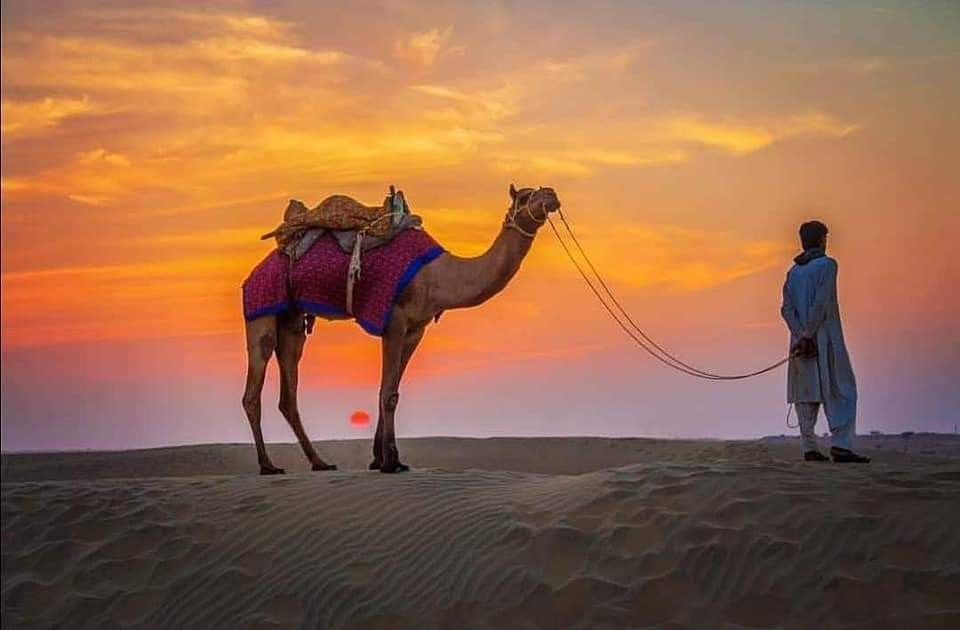
Leaving the urban energy of Jaipur behind, the route toward Pushkar winds approximately 145 kilometers southwest toward the edge of the Thar Desert. The drive takes around three hours via National Highway 48, passing through rural hamlets, open fields, and the rolling terrain of the Aravalli hills.
Pushkar emerges like an oasis surrounding a holy lake, framed by whitewashed temples, ghats, and arid dunes. Unlike the bustling metropolitan vibe of state capitals, this sacred town moves at a contemplative, slower pace centered entirely around devotion, community rituals, and desert traditions.
Sacred Highlights and Cultural Vibrancy of Pushkar
Pushkar holds deep theological importance in Hinduism, believed to be created where Lord Brahma dropped a celestial lotus flower. It remains one of the rare places on earth with an active shrine dedicated to the creator deity.
- Brahma Temple (Jagatpita Brahma Mandir): Dating back in its current structure to the 14th century, this revered shrine features an unmistakable red spire, marble steps, and an embossed silver turtle motif facing the inner sanctum.
- Pushkar Lake and the 52 Ghats: Pilgrims gather along Varaha, Brahma, and Gau Ghats for ritual cleansing. As the sun descends, the air fills with the resonant chime of temple bells and the rhythmic chanting of the evening Maha Aarti.
- Savitri Devi Temple: Perched atop Ratnagiri Hill, this hilltop shrine offers sweeping panoramic views of the entire town and the surrounding sands. Reaching the summit via the foot trail or ropeway at dawn delivers a breathtaking sunrise across the desert landscape.
- Bustling Bazaars: Pushkar’s market streets are filled with handcrafted rose water, traditional leather mojari footwear, silver jewelry, and vibrant tie-dye fabrics.
Practical Travel Tips for Jaipur and Pushkar
- Best Season to Visit: Plan your travel between October and March when daytime temperatures remain mild and comfortable for outdoor excursions and walking tours.
- Local Customs and Etiquette: When visiting Pushkar Lake and sacred temples, dress modestly with shoulders and knees covered, and remember to remove footwear before stepping onto the ghat stairs.
- Culinary Specialties: Savor traditional Rajasthani dishes such as Dal Baati Churma, Pyaaz Kachori, and refreshing lassi in Jaipur, alongside Pushkar’s signature freshly made Malpua sweets near the main bazaar.
Crafting Your Ideal Desert Itinerary
Experiencing the architectural mastery of regal forts alongside the mystical quietude of holy waters creates a genuinely fulfilling travel experience. Combining both destinations into a cohesive route maximizes your time and deepens your appreciation of regional traditions. Opting for a coordinated Jaipur city tour with Pushkar allows you to transition smoothly from palace courtyards to lakeside aartis with verified transit arrangements.
Partnering with an experienced tour operator in Rajasthan ensures well-maintained air-conditioned vehicles, trusted local drivers, transparent scheduling, and an authentic journey tailored to your personal pace. Rajasthan Yatra assists travelers in navigating these historic landmarks with professional hospitality, deep regional knowledge, and genuine care at every step.