Jawai is an extraordinary landscape carved out of granite hills, scrub forests, and winding riverbeds in southwestern Rajasthan. While wildlife enthusiasts flock here for big cat sightings, the cultural essence of the region runs just as deep. The rugged hillocks and valleys have served as a shared home for humans and apex predators for centuries, knit together through sacred rituals and pastoral lifestyles. For travelers looking to immerse themselves in authentic regional culture, visiting ancient cave shrines and walking alongside the indigenous shepherd community offers a grounded, unforgettable perspective on coexistence.
The Rabari Pastoralists: Custodians of Harmony
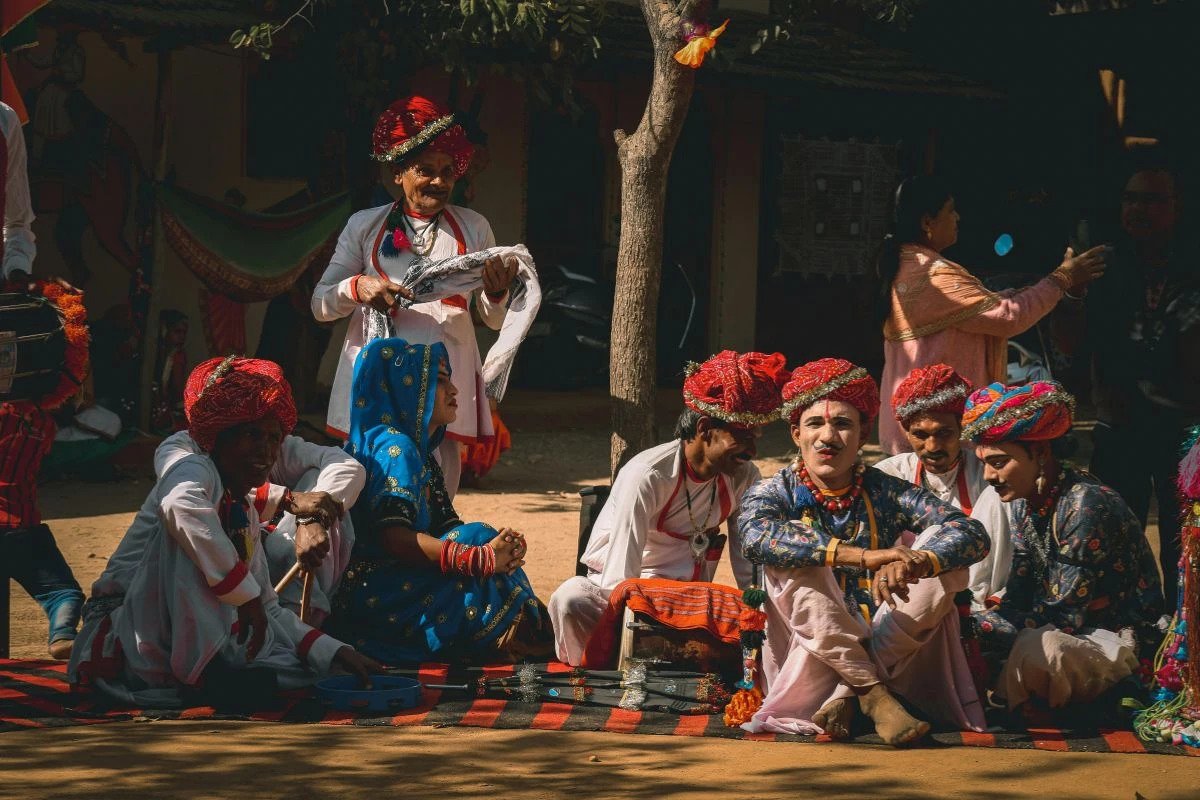
The semi-nomadic Rabari community forms the living heartbeat of the Jawai region. Instantly recognizable by their crisp white tunics, striking red turbans (pagris), and ornate silver jewelry, the Rabaris have practiced pastoralism across western India for hundreds of years. In Jawai, their primary livelihood revolves around grazing herds of camel, goat, and sheep across thorny scrublands and granite formations.
What sets this community apart is their deep-rooted philosophy of non-violence and reverence for nature. When a leopard hunts a goat or calf from a village enclosure, the Rabari herders do not seek retaliation. Instead, local folklore regards the leopard as a divine protector blessed by the Mother Goddess. Losses of livestock are viewed as an offering rather than a grievance. This unspoken compact of mutual respect has made Jawai one of the few places on Earth where large carnivores and rural communities live without territorial conflict.
Engaging respectfully with the Rabaris allows visitors to witness timeless traditions:
- Artisanal Craftsmanship: Intricate camel-wool weaving, distinctive needlework, and traditional brass-adorned leather footwear crafted by village elders.
- Folk Wisdom: An encyclopedic understanding of local weather patterns, herbal remedies derived from native arid flora, and indigenous tracking knowledge.
- Village Architecture: Traditional circular huts (thani) built from natural earth and thatched grass, designed to stay cool during scorching summers and warm through winter nights.
Sacred Cave Temples Carved into Granite
Beyond its cultural landscape, Jawai is an ancient pilgrim route dotted with centuries-old temples nestled into natural granite fissures. The towering boulders do not just shelter leopards; they hold spiritual sanctuaries that resonate with morning chants, brass bells, and incense smoke.
Devgiri Temple
Perched halfway up a sheer granite boulder, the Devgiri Temple is dedicated to the local deity Ashapura Mata. Worshippers reach the sanctum by ascending natural rock steps cut into the monolith. It is not uncommon for visitors to spot wild leopards lounging on nearby rock ledges just yards away from pilgrims carrying brass thalis. The temple stands as living proof of the sanctuary’s balance between the wild and the divine.
Perwa and Kambeshwar Caves
The rock formations surrounding the villages of Perwa and Sena house subterranean shrines that date back multiple centuries:
- Kambeshwar Mahadev: A natural subterranean shrine dedicated to Lord Shiva, accessible through narrow rock crevices where cool springs seep naturally through granite walls.
- Local Village Shrines: Compact stone platforms dedicated to Bhairon and folk deities, where herders stop to offer a silent prayer before heading into the thorny hills at daybreak.
Visitors to these shrines should observe local decorum by dressing modestly, removing footwear before ascending the stone platforms, and maintaining a calm demeanor that honors both religious customs and the wild animals residing nearby.
Planning Your Jawai Cultural Itinerary
Balancing cultural excursions with wildlife viewing requires thoughtful scheduling. The morning hours, when the temperature remains brisk, are ideal for venturing out to remote temples and tracking morning herding routes with an experienced local guide. Early evening provides soft desert light across the granite hills, making it the perfect time to visit local hamlets and observe traditional evening routines.
Securing comfortable lodging transforms a cultural journey into a seamless retreat. Choosing a premier luxury resort in Jawai ensures you have access to indigenous trackers who possess generational insight into local temple lore and village history.
When organizing excursions, arranging a professional leopard safari booking in Jawai allows travelers to blend wilderness tracking with scenic visits to rock temples located within wildlife corridors. Certified safari vehicles driven by local trackers provide both physical safety and respect for sacred ground.
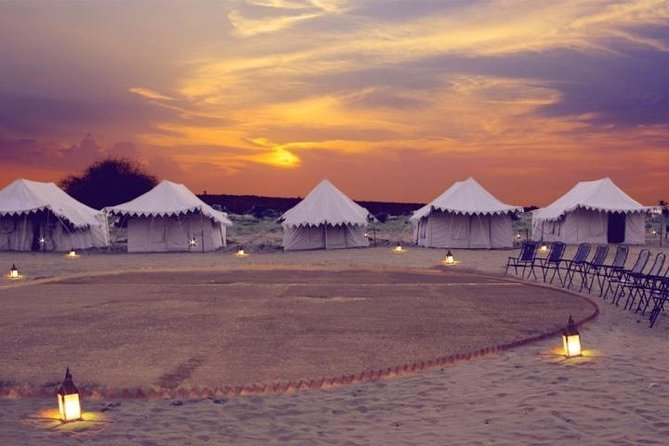
After a long day spent traversing rocky hill tracks, interacting with Rabari elders, and walking up stone shrines, travelers can unwind and recharge by taking full advantage of the tranquil resort facilities in Jawai. From quiet vantage points overlooking the granite hills to open-air courtyards under the stars, the setting provides the quiet reflection this ancient wilderness deserves.