
Abu Road, settled in the quiet foothills of the southern Aravalli Range in Rajasthan, represents a tranquil threshold between expansive plains and rugged crags. While frequently considered merely a railway junction for ascending travelers, the region possesses rich heritage sites, sacred shrines, and serene river vistas. Discerning travelers seeking authentic cultural encounters can anchor their journey at Achal Bagh, a premier luxury resort in Abu Road that offers a peaceful retreat framed by natural hill scenery.
1. Chandravati Archaeological Site
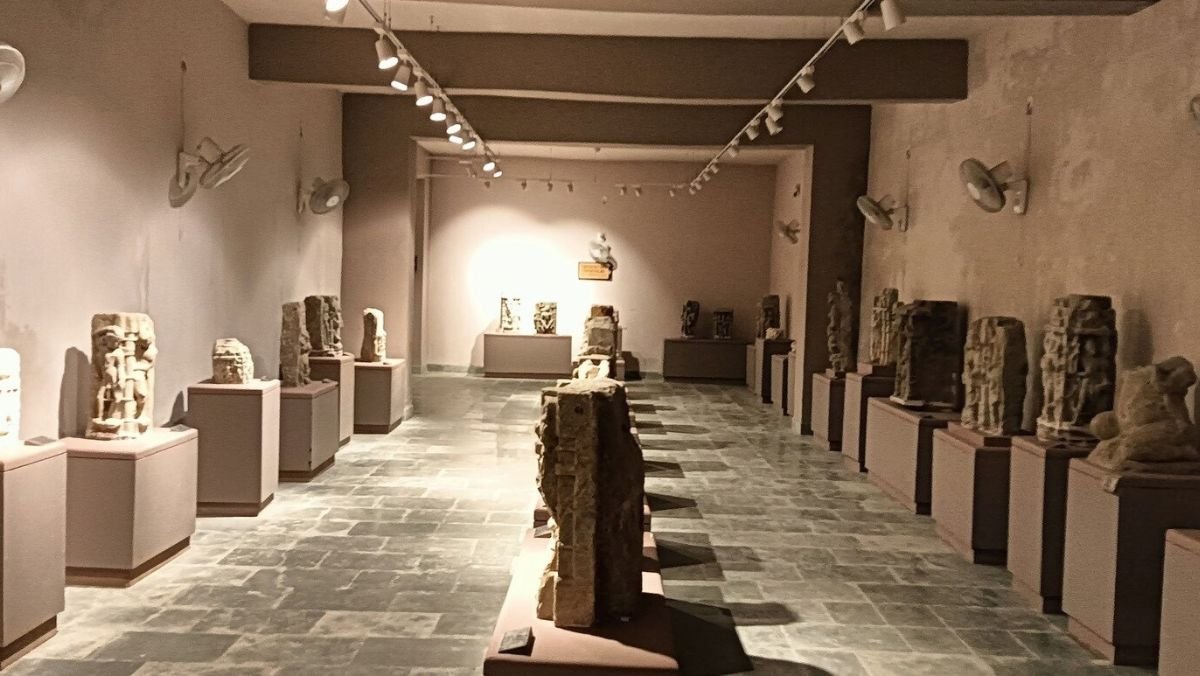
Situated along the western banks of the Banas River just outside Abu Road, Chandravati remains one of the most historically significant ancient settlements in southern Rajasthan. Established in the 10th century as the flourishing capital of the Paramara dynasty of Arbuda, the city once commanded crucial regional trade arteries. Archaeological excavations conducted by the State Department of Archaeology and Rajasthan Vidyapeeth have unveiled multi-layered structural remains, intricate stone brickwork, and an elaborate cluster of ancient temple foundations. Visitors walking along the silent ruins can observe fine friezes, fragmented statuary, and residential layouts that reveal an advanced medieval metropolis. The open-air setting offers an unhurried, contemplative exploration into classical art, architecture, and urban planning far removed from overcrowded tourist circuits.
2. Bheru Tarak Dham
Resting gracefully against the rolling granite contours near Talheti, Bheru Tarak Dham stands as a major spiritual and artistic milestone in the Abu Road basin. Dedicated to Sahasrafana Parshvanatha and Lord Bhairav, the pilgrimage complex is celebrated for its pristine white marble construction, grand entry archways, and detailed hand-carved pillars. Pilgrims and connoisseurs of sacred craftsmanship frequent the shrine to marvel at the delicate ceiling rosettes, finely chiseled iconography, and reflective courtyards. Surrounded by quiet agricultural valleys and native foliage, the site maintains an atmosphere of absolute silence, making it an ideal pause for mindfulness and architectural photography before heading toward the surrounding hill trails.
3. Banas River Valley and Scenic Riverbeds
Flowing past the outskirts of Abu Road, the West Banas River carves picturesque waterways and gravel banks along the mountain valley base. During the late monsoon and winter periods, the riverbed fills with fresh runoff, transforming the surrounding floodplains into fertile, verdant landscapes framed by rocky ridges. Local paths along the banks invite travelers for peaceful morning birdwatching excursions, where egrets, kingfishers, and migratory waterfowl can be sighted among the reeds. In the warmer dry seasons, the massive granite boulders exposed along the dry bed create a striking, primitive geological panorama suitable for quiet sunset walks and landscape photography.
4. Upaca Tirupati Balaji Temple, Mawal
Located right off the national highway corridor near Mawal, this elaborate modern temple brings classic South Indian sacred architecture directly into the heart of southern Rajasthan. Replicating the divine aesthetic of the Tirumala Tirupati shrine, the compound showcases a soaring gopuram carved with traditional stucco deities, wide pillared pradakshina pathways, and an immaculately sculpted sanctum. The daily rituals, morning Vedic chanting, and fragrant incense offer a distinct devotional environment that complements Rajasthan’s traditional Rajputana and Solanki architectural landscapes. Positioned conveniently in the Mawal valley, it serves as a serene stopping point for road travelers navigating between Rajasthan and Gujarat.
5. Achalgarh Fort and Achaleshwar Mahadev Precinct
Just a short drive into the rising hill tracts from Abu Road lies the storied citadel of Achalgarh. Originally erected by the Paramara rulers and later refortified in the 15th century by Maharana Kumbha of Mewar, the hill redoubt holds formidable bastions and antique watchtowers that overlook wide territorial panoramas. Adjacent to the lower fort entrance sits the legendary Achaleshwar Mahadev Temple, an ancient Shaivite sanctuary renowned because rituals center upon a natural depression venerated as Lord Shiva’s right toe. Adjacent to the shrine sits the peaceful Mandakini Kund water tank, lined with historic stone water-buffalo sculptures that evoke medieval folklore. The dramatic combination of rugged defensive ramparts, heritage ponds, and sacred stone makes this location a cornerstone of regional history.
Planning Your Heritage Journey
Exploring the scenic valleys and historical monuments of Abu Road requires a balance between active excursions and quiet rest. Selecting a comfortable base ensures travelers can return from long expeditions to refined dining, verdant outdoor lawns, and personalized hospitality. For travelers wanting easy road transit combined with a serene garden ambiance, Achal Bagh functions as an exceptional boutique stay in Abu Road. Its location allows smooth transit to the ancient monuments of Chandravati, the shrines of Mawal, and the winding ghat roads ascending into the mist-covered peaks.
To view visual highlights of the broader mountain scenery and nearby heritage points across the district, explore this Mount Abu and Abu Road Travel Guide. This visual walkthrough covers historical temples, viewpoints, and scenic terrain across the valley and surrounding hills to help you plan your itinerary.