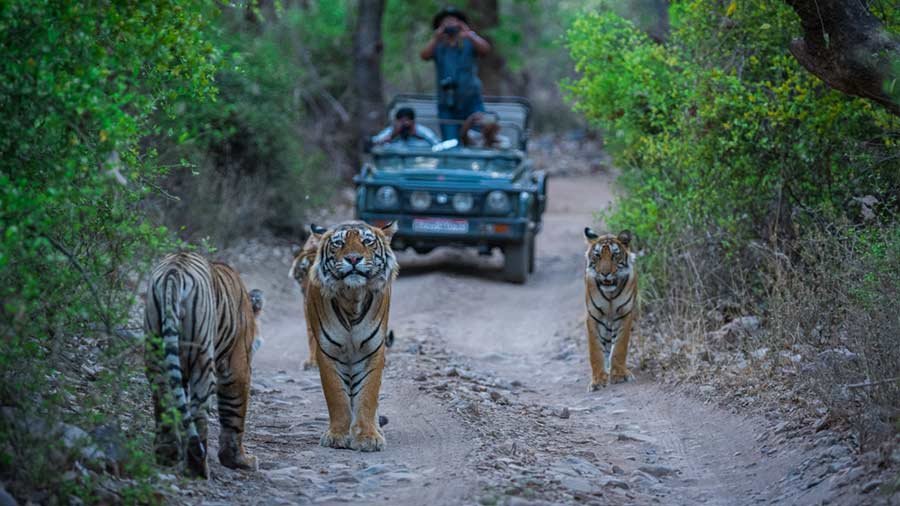
Choosing the right safari zone is one of the most important decisions when planning a wildlife expedition to Ranthambore National Park. Managed by the Rajasthan Forest Department, the park is divided into ten distinct safari zones numbered 1 through 10. These ten zones are grouped into two primary categories: Core Zones (Zones 1 to 5) and Buffer Zones (Zones 6 to 10). Understanding the ecological differences, wildlife movement patterns, and logistical rules of each category allows travelers to plan an informed and rewarding jungle experience.
Understanding Core Zones (Zones 1 to 5)
The core zones represent the original, historic heart of Ranthambore National Park. These five zones are widely recognized for having the highest density of Bengal tigers and well-established territorial boundaries. Because these areas have been protected for decades, the prey base—including sambar deer, chital, and wild boar—is abundant, drawing apex predators to prominent watering holes and open meadows.
- Zone 1 (Singhdwar and Sultanpur): Known for dense forest corridors and rocky ravines where tigresses often raise their cubs in relative seclusion.
- Zone 2 (Jogi Mahal and Jhalra): A prime wildlife hub featuring numerous waterholes that attract tigers, leopards, and sloth bears throughout the dry season.
- Zone 3 (Padam Talab and Raj Bagh): Famous for its picturesque lakes and ancient ruins, offering dramatic backdrops for wildlife photography.
- Zone 4 (Lakarda and Berda): Features expansive grasslands and rugged hills that have historically been home to some of the reserve’s most dominant tigers.
- Zone 5 (Kachida Valley and Jokha): Acts as a vital transit corridor connecting adjacent territories, featuring bamboo clusters and mixed deciduous forests.
Core zones operate from October through June and remain closed every Wednesday as well as during the monsoon season from July to September. Due to high demand, permits for these areas sell out months in advance.
Exploring Buffer Zones (Zones 6 to 10)
Buffer zones form the protective outer ring surrounding the core forest. Originally established to absorb growing visitor numbers and create a transition zone between human settlements and strict conservation areas, Zones 6 through 10 have matured into thriving wildlife habitats. As tiger populations within the core reach capacity, young adult tigers frequently disperse into these peripheral regions to claim independent territories.
- Zone 6 (Kundal): Features wide open grasslands against the Aravalli hills, offering clear visibility and frequent tiger activity alongside rich birdlife.
- Zone 7 (Chidikho): Characterized by steep mountain trails and quiet valleys favored by solitary wandering tigers.
- Zone 8 (Balas): Offers rugged terrain where tiger and leopard territories frequently overlap.
- Zone 9 (Qualji): Located along the park’s outer reaches, known for sightings of striped hyenas, caracals, and resident tigers.
- Zone 10 (Halonda): A hilly, forested corridor that provides peaceful drives far away from heavy tourist traffic.
Unlike the core region, buffer zones remain open year-round—including during the monsoon months—and are only closed on Tuesdays.
Key Differences: Core vs. Buffer Experience
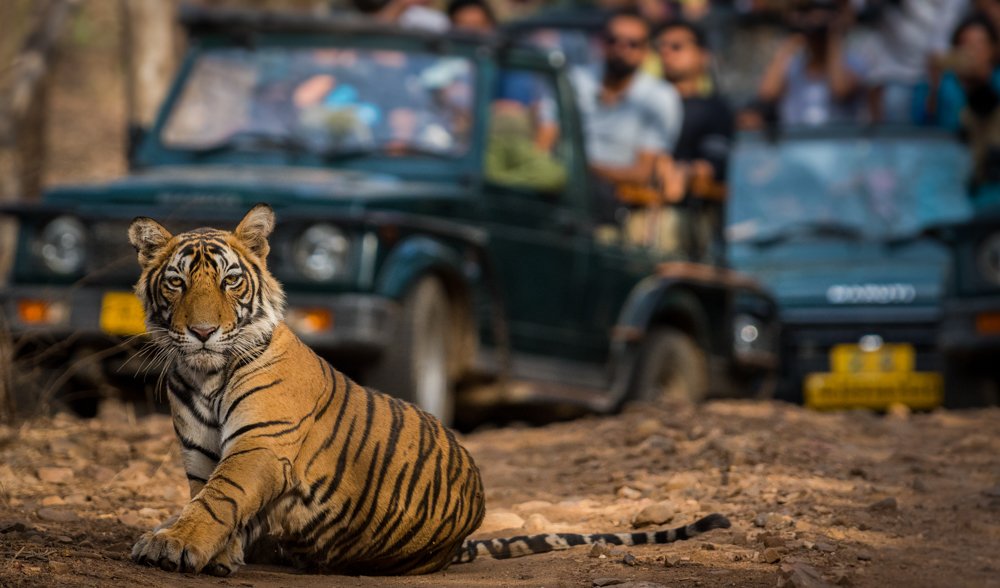
When comparing the two regions, travelers must weigh sighting probability against crowd density and seasonal availability. In the core zones, the concentration of established territories increases the statistical likelihood of encountering a tiger. However, when an alarm call echoes through Zone 2 or Zone 3, multiple safari vehicles may converge on the same track, leading to higher engine noise and vehicle congestion.
Buffer zones offer a markedly quieter, more unhurried wilderness experience. With fewer vehicles permitted per shift, wildlife encounters feel more organic and undisturbed. Photographers who prefer unobstructed angles and natural forest landscapes without historic ruins often favor the raw terrain of Zones 6 and 7. Additionally, travelers visiting during the monsoon or on Wednesdays rely exclusively on buffer zones for forest access.
Choosing Your Safari Vehicle and Booking Strategy
Selecting the right vehicle is just as important as understanding zone dynamics. Visitors can choose between a six-seater open Gypsy or a twenty-seater open bus. Opting for a Canter Safari in Ranthambore is a practical and budget-friendly choice for larger families or solo travelers looking to secure seats during peak holiday windows, as twenty-seater permits are more widely available across both core and buffer routes.
It is important to note that the Forest Department uses an automated roster system to allocate zones, meaning no travel agency can guarantee a specific gate beforehand. While booking online, visitors can select a preferred zone subject to real-time availability, and securing multiple safari drives significantly improves the odds of experiencing both core and buffer habitats. Evaluating the characteristics of each Ranthambore Safari Zone before booking helps align your expectations with seasonal tiger movements.
Planning Your Stay Near the Park Gates
Early morning safaris begin at dawn, making accommodation proximity to the forest entry gates essential for a stress-free departure. Staying at the best resort in Ranthambore ensures convenient access to the boarding points while providing knowledgeable naturalists who track daily tiger movements across all ten zones. At Ranthambore tiger resort, guests receive guidance on seasonal wildlife patterns so every drive into the forest is thoughtfully planned.
Final Verdict: Which Zone Should You Choose?
There is no single guaranteed zone for spotting a tiger, as big cats roam freely across invisible administrative boundaries. First-time visitors seeking the highest statistical probability of a sighting and iconic lake views should prioritize Core Zones 1 through 5. Conversely, repeat wildlife enthusiasts, birders, and travelers seeking peaceful forest drives with minimal vehicle traffic will find Buffer Zones 6 through 10 equally rewarding. Booking at least two to three safaris across different shifts remains the most reliable way to experience the full ecological diversity of Ranthambore.