Tucked into the Pali district of southern Rajasthan, the granite hills of Jawai represent a remarkable ecological anomaly where free-roaming Indian leopards live outside fenced national parks alongside rural pastoral communities. For travelers planning an expedition in 2026, understanding the terrain, tracking protocols, and specific off-road trails transforms a standard wildlife drive into an extraordinary field experience. Unlike core tiger reserves governed by rigid forest department gates and lottery permits, this community-led conservation landscape allows customized private jeep routing dictated entirely by fresh pugmarks, alarm calls, and real-time naturalist intelligence.
How Jawai Open-Terrain Tracking Differs From Forest Reserves
Traditional Indian wildlife sanctuaries rely on dense deciduous cover and fixed zonal roads, often limiting visibility to brief glimpses through thick foliage. In Jawai, ancient volcanic granite formations rise sharply out of agricultural scrubland, creating natural caves, crevices, and elevated boulders that leopards use for daytime resting and vantage points. Because there are no government-enforced safari zones or strict entry gates, local trackers coordinate directly with Rabari shepherds who graze livestock across the foothills daily. When you book a stay at a dedicated resort in Jawai, your private 4×4 Gypsy departs directly toward active territory based on morning intelligence rather than waiting in a ticket queue.
Primary 2026 Jeep Safari Routes and Tracking Sectors
Although the region operates without official boundary fences, experienced trackers divide the landscape into distinct ecological corridors based on topography and resident leopard territories.
- The Bera Granite Massif: Known as the historic heart of leopard tourism in the region, this sector features towering boulder clusters and steep rocky outcrops. Early morning drives navigate sandy riverbeds and scrub trails beneath these hills to catch leopards descending from nocturnal hunting routes.
- The Sena Hills Corridor: Located slightly away from the busiest vehicle clusters, the Sena ridge offers dramatic elevation gain and expansive views across the valley floor. Trackers favor this route during cooler winter mornings when big cats sunbathe on exposed granite ledges.
- The Temple Hill and Cave Circuit: Several granite peaks house centuries-old local shrines, including Dev Giri, where resident priests and leopards have shared the same rocky slopes for generations. Jeep routes wind along the base of these sacred hills, requiring strict adherence to quiet observation etiquette.
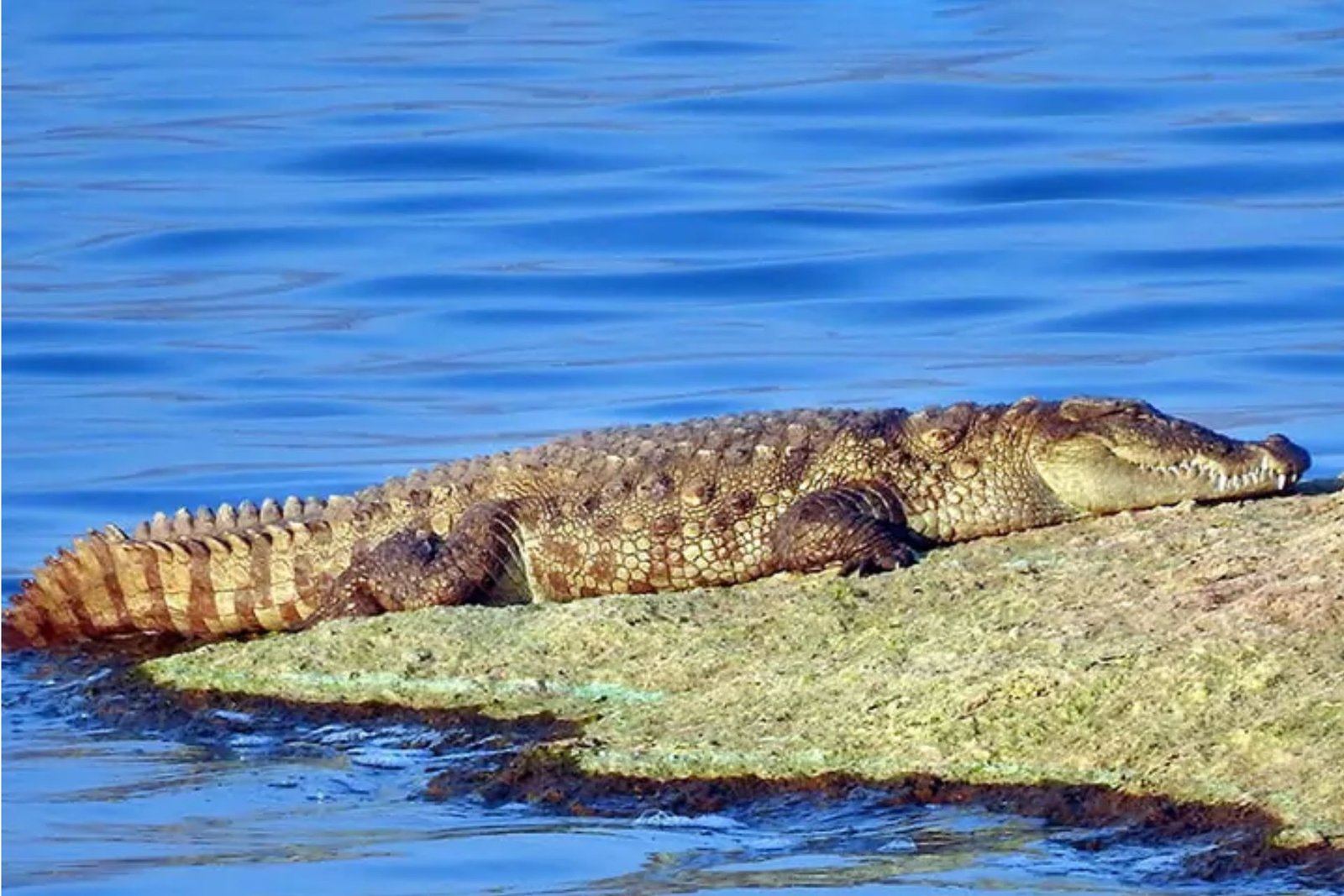
- The Jawai Bandh Backwaters and Reservoir Rim: Built across the Jawai River in the 1950s, this massive reservoir anchors the southern edge of the safari circuit. Drives along the shallow shoreline and mudflats reveal large populations of basking mugger crocodiles alongside seasonal flocks of migratory flamingos, bar-headed geese, and sarus cranes.
- The Maad Scrubland and Foothill Trails: Connecting the outer hills to dry deciduous brush, this quieter sector supports striped hyenas, jungle cats, Indian foxes, nilgai, and sloth bears, providing rich biodiversity beyond big cat tracking.
Optimal Safari Timings and Seasonal Field Conditions
Selecting the right departure window determines both animal activity levels and photographic lighting across the granite ridges. Planning a leopard safari in Jawai works best when structured around two distinct daily tracking sessions.
- Sunrise Tracking Drives: Jeeps depart around 6:00 AM during winter months from October to March and 5:30 AM from April through September. Leopards return to their elevated caves shortly after dawn, offering prime opportunities to observe movement across open rock faces in soft directional light.
- Sunset Golden-Hour Drives: Afternoon expeditions begin around 3:30 PM in winter and 5:00 PM in warmer months, lasting approximately three hours. As temperatures drop, leopards emerge onto high boulders to survey the plains while waterbirds return to roost along the dam.
- Seasonal Planning Windows: October through March delivers crisp mornings between 10°C and 28°C, clear skies, and peak migratory bird arrivals. Summer months from April to June bring warmer afternoons but concentrate wildlife near perennial water holes, while the monsoon season from July to September transforms the arid granite hills into lush green islands without any park closures.
Responsible Safari Etiquette and Field Preparation
Maintaining Jawai’s extraordinary model of peaceful human-wildlife coexistence requires disciplined conduct from every visitor and driver. When comparing curated Jawai safari tour packages, prioritize operators that enforce strict ethical tracking standards over aggressive vehicle crowding.
- Maintain Safe Distance: Never pressure drivers to climb steep, unstable rock faces or approach cave entrances too closely, ensuring leopards retain unobstructed movement paths.
- Dress in Muted Earth Tones: Wear olive, khaki, brown, or grey layers rather than bright colors, and pack a windproof jacket for open-jeep drives where winter morning windchill drops noticeably.
- Pack Appropriate Optics: Bring 8×42 or 10×42 binoculars for scanning distant granite crevices alongside a 200mm to 500mm telephoto lens so you can capture detailed portraits without disturbing resting animals.
- Respect Local Communities: Keep voices low near villages and working hilltop shrines, and always seek permission before photographing members of the Rabari pastoral community.
By combining knowledgeable local trackers, flexible multi-sector routing, and patient observation, The Jawai Sagar ensures every wilderness drive honors the delicate ecological balance that makes this corner of Rajasthan truly singular.