Stepping into Jaisalmer feels like walking through a living history book, where golden sandstone walls whisper tales of valor and ancient trade routes. Known affectionately as the Golden City, this jewel of the Thar Desert offers an experience that lingers in your memory long after the sand has been shaken from your shoes. Whether you are chasing the sunset over rolling dunes or getting lost in the winding alleys of a medieval fort, the city demands to be explored at your own pace. For travelers looking to navigate these historic streets with ease, securing a reliable Taxi in Jaisalmer is often the best way to start your desert adventure, ensuring you don’t miss a single hidden gem while escaping the desert heat.
Explore the Living Legend: Jaisalmer Fort
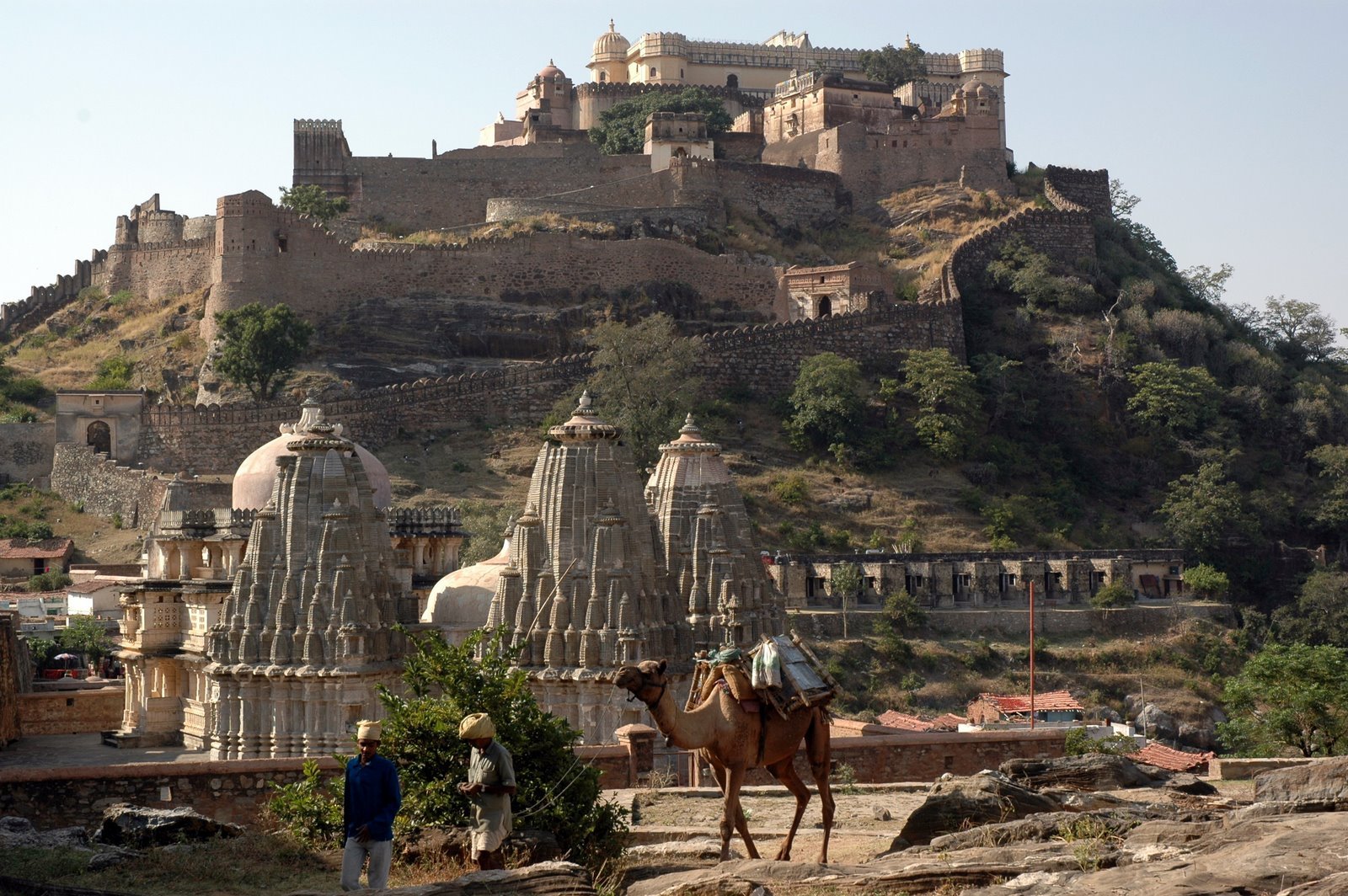
Unlike many other forts in India that serve solely as monuments, Jaisalmer Fort (Sonar Quila) is a vibrant, breathing community. Built in 1156 AD by Rawal Jaisal, it houses shops, hotels, and ancient havelis where families have lived for generations. The view of the golden sandstone changing colors from tawny lion yellow during the day to honey-gold at sunset is a visual treat.
- Jain Temples: Located within the fort complex, these seven temples dating back to the 12th and 15th centuries are masterpieces of Dilwara style architecture. The intricate carvings of marble and sandstone here are arguably some of the finest in Rajasthan.
- Laxminath Temple: Dedicated to Goddess Lakshmi and Lord Vishnu, this temple holds immense religious significance for the locals and offers a glimpse into the city’s spiritual pulse.
- Cannon Point: For the best panoramic views of the city below, make your way to the gun placement points along the fort walls. It is an ideal spot for photographers chasing that perfect golden hour shot.
Marvel at the Architectural Brilliance of Havelis
The wealthy merchants of the 19th century commissioned grand mansions, or Havelis, that stand as testaments to the city’s prosperous past. The intricate stone carving work, often resembling lace more than rock, is a defining feature of Jaisalmer’s heritage.
Patwon Ki Haveli is the most significant and largest among them. It is actually a cluster of five different havelis built by a rich brocade merchant for his five sons. Walking through its corridors, you can see remnants of the lavish lifestyle once led here, from mirror work to wall paintings. Nearby, Nathmal Ki Haveli and Salim Singh Ki Haveli offer their own unique architectural quirks, such as roofs shaped like peacocks or ships. Exploring these architectural wonders is much easier when you have a Jaisalmer sightseeing taxi at your disposal, allowing you to hop between these heritage sites without fatigue.
Serenity at Gadisar Lake
Originally built as a water conservation tank in the 14th century, Gadisar Lake was once the sole water supply for the entire city. Today, it is a picturesque spot surrounded by small temples and shrines. The entrance is marked by the beautiful Tilon Ki Pol gateway.
- Boating: Rent a pedal or row boat to enjoy the calm waters.
- Bird Watching: During winter, the lake becomes a haven for migratory birds, making it a delightful spot for nature enthusiasts.
- Evening Light Show: Stick around for the laser light and sound show that narrates the history of Jaisalmer against the backdrop of the lake.
The Thrill of the Thar: Sam Sand Dunes
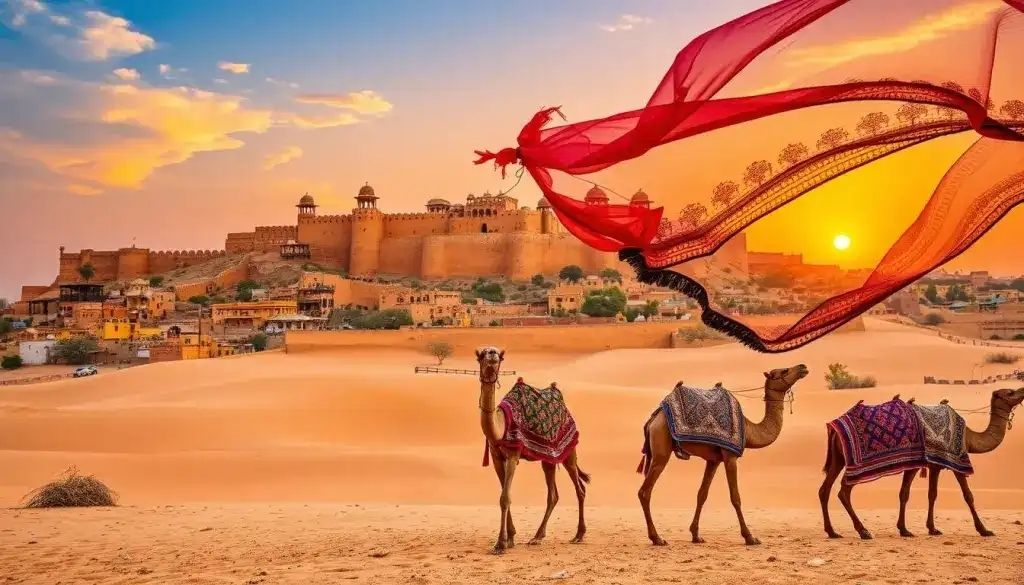
No trip to Jaisalmer is complete without venturing into the Great Indian Desert. Located about 40 kilometers from the city, Sam Sand Dunes offer the quintessential desert experience.
- Camel Safaris: The slow, rhythmic gait of a camel taking you across the ridges of the dunes is an authentic way to experience the landscape.
- Jeep Bashing: For adrenaline junkies, 4×4 jeep safaris crash through the dunes at high speeds, offering a thrilling ride.
- Cultural Evenings: Most desert camps organize evenings filled with Kalbelia dance, folk music, and a traditional Rajasthani dinner under the starlit sky.
Offbeat Adventures and Short Trips
If you are short on time or prefer a quick excursion, there are fascinating spots just outside the main city limits. The abandoned village of Kuldhara, known for its ghostly legends and eerie silence, makes for a compelling visit. Legend says the Paliwal Brahmins abandoned the village overnight to escape a tyrannical minister, leaving a curse behind.
For travelers with a tight schedule, opting for a Jaisalmer half day tour can be a lifesaver. These curated short trips often cover essential spots like Kuldhara, the Cenotaphs of Bada Bagh, and a quick glimpse of the desert, ensuring you taste the essence of the region even with limited hours.
Culinary Delights and Shopping
Jaisalmer is not just about sights; it is a feast for the palate. Don’t leave without trying Ker Sangri (a desert bean and berry vegetable dish) and the famous Dal Baati Churma. For those with a sweet tooth, Ghotua Ladoo is a local delicacy that melts in your mouth.
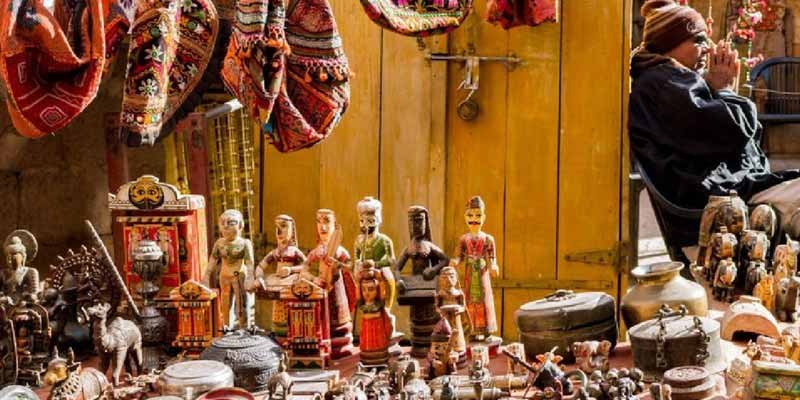
When it comes to shopping, the local markets like Sadar Bazaar and Pansari Bazaar are treasure troves. Look for:
- Camel Leather Goods: Durable and stylish bags, wallets, and journals.
- Mirror Work Textiles: Vibrant skirts and wall hangings that reflect the colors of Rajasthan.
- Fossil Stone Bowls: Unique Habur stone utensils that are said to curdle milk into yogurt.
Best Time to Visit
The desert climate is extreme. The ideal time to explore Jaisalmer is between October and March, when the weather is pleasant, days are sunny, and nights are cool. This is also the season for the famous Desert Festival (usually in February), which transforms the sands into a riot of color and culture. Summers can be scorching, with temperatures soaring above 40°C, making sightseeing difficult.
By planning your trip around these key spots and ensuring you have reliable transportation, your journey through the Golden City will be seamless and full of discovery. Whether you are marveling at the intricate jali work of a haveli or watching the sun dip below the horizon at Sam, Jaisalmer promises an adventure that is as timeless as the sands themselves.