Stepping into the Golden City feels like entering a living museum where history breathes through honey-colored sandstone. If you are planning a quick getaway, a camp in jaisalmer offers the perfect base to explore the intersection of rugged desert life and royal heritage. This 48-hour guide is designed to help you navigate the labyrinthine streets, majestic forts, and the vast Thar Desert with the precision of a seasoned traveler.
Day 1: The Living Fort and Architectural Marvels
Start your morning early at the Jaisalmer Fort, also known as Sonar Quila. Unlike most forts in India, this is a “living fort,” housing nearly one-fourth of the old city’s population. Walking through its four massive gateways—Akhai Pol, Ganesh Pol, Suraj Pol, and Hawa Pol—provides an immediate sense of the city’s historical authority. Visit the Laxminath Temple and the stunning cluster of seven Jain Temples, which date back to the 12th and 15th centuries. The intricate carvings on the yellow sandstone are a testament to the expertise of medieval Rajasthani artisans. After descending from the fort, head toward Patwon Ki Haveli. This is not just one house but a cluster of five grand mansions built by a wealthy brocade merchant. The “jalis” or latticed screens served a functional purpose, allowing women of the household to view the streets without being seen, while also providing natural ventilation against the desert heat. Just a short walk away is Nathmal Ki Haveli, famous for its symmetrical architecture commissioned by two brothers who worked on different sides of the building simultaneously. As the sun begins to dip, make your way to Gadisar Lake. Originally a water conservation tank built in the 14th century, it is now a serene spot surrounded by small temples and shrines. You can take a peaceful boat ride here to see the Tilon Ki Pol gateway from the water. It is a fantastic spot for photography and provides a moment of tranquility before the evening’s festivities.
Day 2: Desert Sovereignty and the Dunes
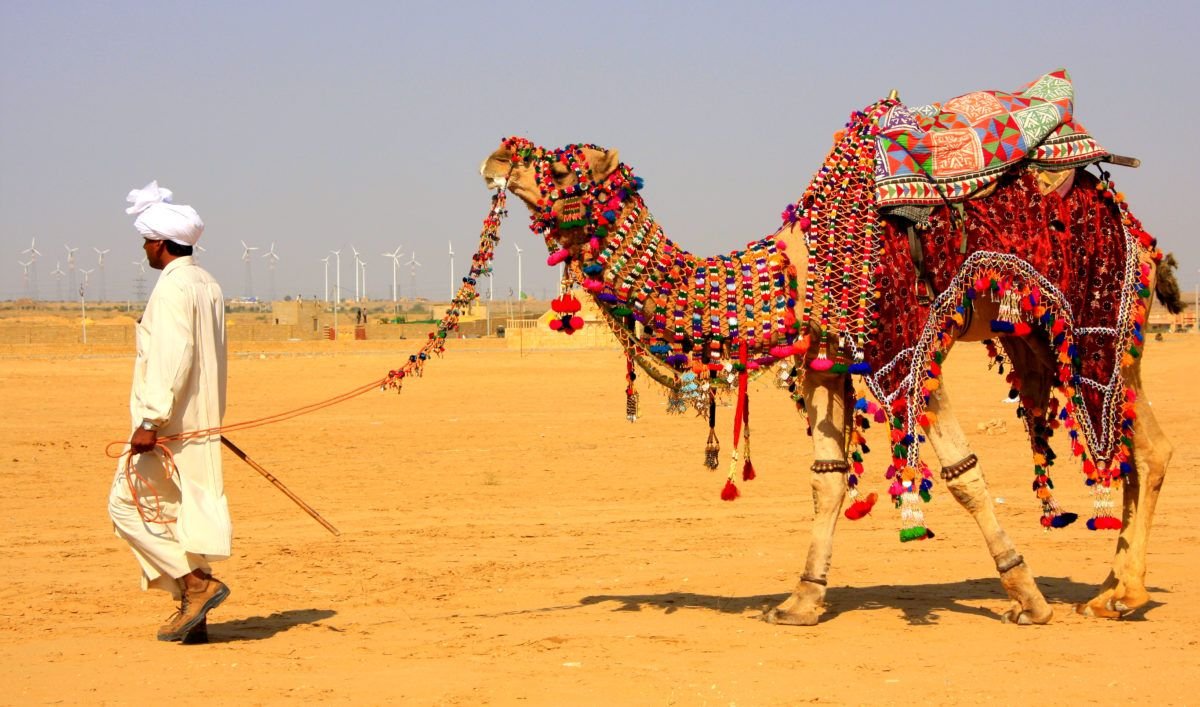
On your second day, venture outside the city limits to explore the eerie yet fascinating ruins of Kuldhara. Known as the abandoned village, legend has it that the Paliwal Brahmins cursed the land as they fled overnight to protect their honor from a tyrannical minister. The site offers a raw, unfiltered look at historical rural architecture. Following this, visit the Bada Bagh cenotaphs, where the royal chhatris glow brilliantly during the golden hour, honoring the Maharajas of Jaisalmer. For many travelers, the highlight of the trip is venturing into the Sam Sand Dunes. To truly experience the Thar, many choose the Jaisalmer 02 Night 03 Days Couple Package, which balances structured sightseeing with intimate desert experiences. A camel safari across the undulating dunes allows you to witness the vastness of the landscape in a way that modern vehicles simply cannot replicate. The rhythmic pace of the camel trek is the traditional way to navigate this terrain, offering a firsthand perspective of the nomadic lifestyle. As night falls, the desert transforms into a celestial theater. To elevate your experience, arranging a private dinner at sand dunes jaisalmer is highly recommended. Sitting on the cool sand under a canopy of stars, enjoying authentic Rajasthani cuisine like Ker Sangri and Lal Maas, creates a memory that stays with you long after the trip ends. Most camps also host cultural performances, featuring Kalbelia dancers and Manganiyar musicians, ensuring the local traditions are preserved and shared with visitors.
Travel Tips for an Authentic Experience
To make the most of your 48 hours, keep a few practicalities in mind. The best time to visit Jaisalmer is between October and March when the weather is pleasant enough for full-day explorations. Dress in light, breathable cotton fabrics, but carry a heavy jacket for the desert nights, as temperatures can drop significantly once the sun sets. When visiting the temples and the fort, hiring a local government-approved guide is beneficial; their storytelling adds layers of depth to the stone structures that you might otherwise miss. Transportation within the city is easily managed via auto-rickshaws, but for the desert leg of your journey, a private taxi or a pre-arranged pick-up from your resort is the most reliable option. Always carry cash, as smaller vendors in the markets and remote desert outposts may not have stable digital payment infrastructure. By following this itinerary, you ensure a balanced mix of historical education, architectural appreciation, and the raw, natural beauty of the Rajasthan desert, making every hour in the Golden City count toward a truly enriching travel experience.